
For decades, Downtown Orlando has been engineered more like a shortcut than a destination.
Wide, high-speed, one-way streets were designed for efficiency, moving commuters through downtown as quickly as possible. That approach may have made sense in a different era, but today it works against the kind of downtown Orlando says it wants; active, safe, walkable and economically vibrant.
That is why the City of Orlando’s DTO 2.0 action plan deserves strong public support.
At its core, DTO 2.0 recognizes a simple truth that cities across America have already learned: downtowns succeed when they are designed for people first, and not for cars passing through them.
One of the most important, and most misunderstood elements of this plan is the conversion of a select few one-way streets back to two-way traffic. This is not radical. It is not experimental. And it is not an anti-car. It is a proven strategy that helps cities large and small turn struggling downtowns into thriving places.
When streets function like mini-highways, businesses struggle. High speeds discourage sidewalk activity, reduce visibility for storefronts, and make outdoor dining feel risky rather than inviting. Two-way streets slow traffic naturally, improve safety for pedestrians and cyclists, and make downtown easier to navigate for everyone, especially visitors.
Cities such as Louisville, Denver, Tampa and Indianapolis have all implemented two-way conversions over the past two decades. The results are consistent: reduced crashes, increased retail sales, higher property values, and stronger street-level life. Downtowns become places where people linger, not just drive through.
For Orlando, this matters deeply.
Downtown is home to residents, workers, students, artists, entrepreneurs and small business owners. It should support daily life, coffee shops in the morning, lunch spots at midday, family dinners and performances at night. Streets that prioritize speed over experience undermine that goal.
Two-way streets make downtown businesses easier to find and easier to access. When drivers can approach a destination from either direction, they are more likely to notice storefronts, park nearby and stop. That visibility is critical for independent restaurants and cafes that rely on foot traffic and impulse visits, not just planned trips.
Safety is another major benefit. High-speed, one-way corridors are associated with more severe crashes. Slower, two-way streets reduce conflict points and improve reaction time for drivers, pedestrians, and cyclists alike. Safer streets mean more people walking, which in turn creates natural activity and “eyes on the street,” one of the most effective forms of public safety.
DTO 2.0 is also about competitiveness.
Orlando is no longer competing only with its suburban past. It is competing with other growing, mid-sized American cities that are investing heavily in downtown quality of life. Young professionals, empty nesters, startups and visitors all look for places that feel authentic and alive.
No one plans a weekend around driving fast through downtown.
They plan around places where they can stroll, eat outside, people watch, attend events and feel connected to the city. Street design plays a central role in creating, or preventing, that experience.
Change always brings concern. Some worry that two-way streets will slow commutes or create confusion. But experience elsewhere shows that traffic adapts quickly; congestion does not meaningfully increase, and navigation actually becomes more intuitive. What does change is behavior: drivers become guests in a shared space rather than owners of the roadway.
DTO 2.0 does not attempt to erase the automobile from downtown. It simply restores balance.
It acknowledges that streets are public spaces, economic engines and community assets, not just conduits for moving vehicles. It aligns Orlando with best practices that have been tested, refined and proven across the country.
Most importantly, it signals that Orlando believes in its downtown.
Supporting DTO 2.0 is a vote for local businesses, safer streets, stronger neighborhoods and a downtown that reflects the energy and ambition of the city itself. It is a choice to build a place people want to be, not just pass through.
That is a future worth committing to and one Orlando is ready to claim.
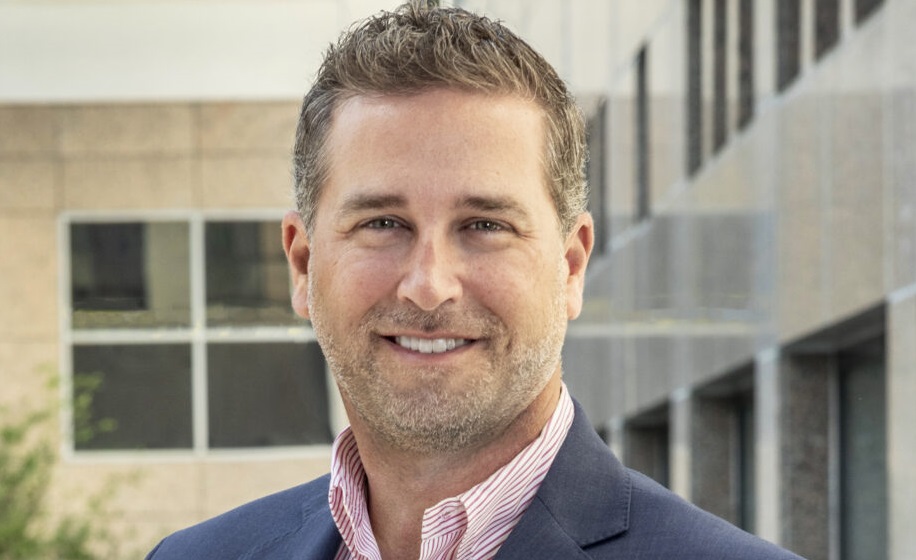
Tim Giuliani is the president and CEO of the Orlando Economic Partnership.