
My family has a long history in the hospitality industry here in Central Florida — and it hasn’t always been a smooth ride.
My grandfather sold Orlando’s first Avis Rent-A-Car franchise the year before a little company called Walt Disney World changed Orlando forever. Later, another core part of our family business — taxicabs — was disrupted by a “technology” company called Uber, now one of the most successful startups in history. And our former motorcoach business struggled through COVID, inflation, supply-chain disruptions and labor shortages.
This isn’t a woe-is-me story. These challenges aren’t unique to our family or even to hospitality. They are the reality of running a business in an industry built around serving others. Fortunately, my family stuck with Orlando, tourism, and the broader hospitality ecosystem — theme parks, airports, hotels, conventions and corporate meetings. Like every successful business, we had to evolve to survive.
The single biggest reason we were able to do that? Visitors.
A steady stream of guests fuels opportunity—not just for Disney and Universal, but for florists, AV companies, caterers, rideshare drivers, baggage handlers, entertainers, and countless professionals in HR, IT, legal services, real estate and more.
So why do these visitors keep coming? Why do so many return?
Because Orlando has consistently proven itself worth visiting — and has never stopped marketing itself as such. Orlando has set itself apart from Las Vegas, Nashville, Austin, New York and other destinations through disciplined, sustained investment in tourism marketing.
From a consumer business perspective, marketing is often one of the most important investments an organization can make. Don’t believe me? Ask Apple. Nike. Or John Morgan.
Marketing Orlando as a destination is the single most important economic strategy our region can deploy. Bar none.
Long before Orlando became the most visited destination in the country, the hospitality industry and local leaders understood that success required a consistent, long-term marketing strategy. That understanding led to the creation of the Tourism Development Tax (TDT), designed as a regional economic development tool to complement the private marketing efforts of our largest theme parks and hotels.
The TDT wasn’t imposed on residents. It was created by the tourism community itself — hotels, businesses and industry leaders who recognized that growth requires reinvestment. The tax is paid by overnight visitors, not locals, and Florida law includes guardrails to ensure those dollars are reinvested back into the tourism ecosystem.
And it’s working exactly as intended.
Thirty percent of TDT revenue goes to Visit Orlando for global sales and marketing efforts that help attract more than 75 million visitors a year. Every January, visitation effectively starts at zero — yet year after year, those efforts deliver results that power jobs, support small businesses, and expand opportunity far beyond the tourism industry.
The remaining 70% supports the Orange County Convention Center, arts and cultural institutions, film initiatives, and the venues that host major sporting and entertainment events. These are not extras. They are strategic investments that keep Orlando competitive on a global stage for attracting businesses and talent, which help diversify our economy.
Tourism also reduces the tax burden on residents. Visitors don’t just pay hotel taxes. They pay sales tax on lodging, rental cars, attractions, meals, and shopping — contributing more than half of all sales tax revenue collected in Orange County.
Tourism doesn’t drain our resources. It powers them.
Orlando’s success is not an accident. It is the result of decades of investment by our largest hotels and theme parks, reinforced by our region’s collective commitment to sales and marketing through the Tourism Development Tax and Visit Orlando. As policymakers consider changes to systems that are working, they should be careful to “do no harm.” Improve them, yes. Evolve them, absolutely. But don’t jeopardize the economic engine that allows this community to thrive.
When visitors thrive here, so do we.
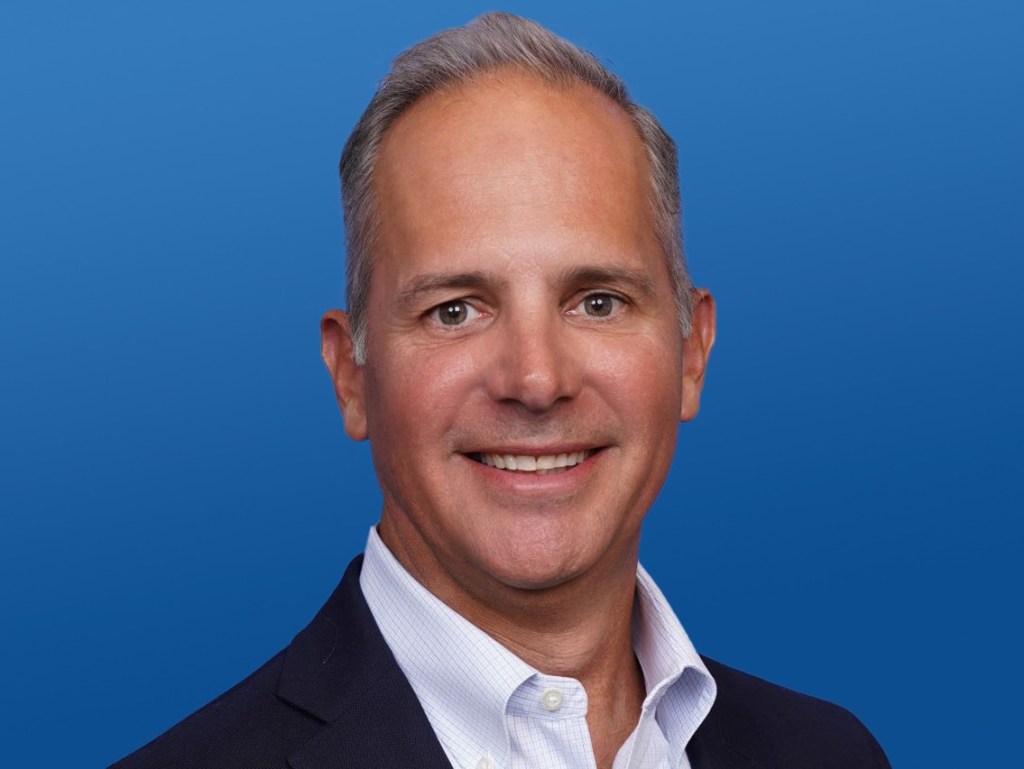
Paul S. Mears III is the chair-elect of Visit Orlando and the president and CEO of Hello! Destination Management.