
Law enforcement has one primary responsibility: to keep our communities safe. That responsibility is carried every day by men and women who swear an oath to serve and protect — often under conditions that are unpredictable, dangerous and unforgiving.
What is often overlooked in public discussions is how officers are prepared for this role. On average, a law enforcement officer receives about one year of combined academy instruction and field training before operating independently. That training is essential, but it is only a foundation.
Classroom instruction and scenario-based training build knowledge and standards. However, no training environment can fully replicate the realities of the field. The most significant factor shaping an officer’s ability to assess situations and respond appropriately is on-the-job experience. Real-world encounters — often unfolding in seconds — teach lessons that cannot be learned from policy manuals alone.
Field experience is not uniform. An officer’s development is shaped by the environment in which they serve: the types of calls they handle, the level of volatility they face, the community they police, and the leadership guiding them. Two officers may graduate from the same academy, yet their judgment and skill sets can diverge significantly based on what they experience on the street.
Officers are routinely placed in complex, high-pressure situations where decisions must be made instantly and with incomplete information. These decisions can have lasting consequences for individuals, families and entire communities. Yet the policies governing these moments are often written or directed by individuals who have never experienced such situations firsthand.
Leadership matters — especially informed leadership. When expectations are set without an understanding of field realities, officers can be placed in untenable positions. Sound public-safety policy must be grounded in practical experience, not hindsight or political convenience.
It is also important to recognize that law enforcement agencies at the local, state and federal levels serve different but equally vital roles. They are not interchangeable. Each has unique authorities, responsibilities and capabilities that make them better suited for certain circumstances. Respecting those distinctions strengthens public safety and accountability.
History offers an important warning. There have been times when law enforcement was directed to carry out mandates that were later recognized as being on the wrong side of history. In many cases, this was not a failure of individual officers, but of leadership and policy.
We must learn from those moments. Law enforcement should never be used as a tool to advance agendas that undermine constitutional principles, erode public trust or place officers in conflict with the very communities they serve. The oath to protect and serve demands better — from both those who wear the badge and those who lead them.
Every officer understands that their commitment may require the ultimate sacrifice — putting their life on the line for someone they may never know. That reality should weigh heavily on elected officials and policymakers when tasking law enforcement with enforcement actions.
Public safety works best when common sense, experience and constitutional values guide decision-making. When leaders respect professional judgment and understand the realities of the field, communities are safer and trust is stronger.
God bless the men and women of law enforcement. May they be granted wisdom and courage in moments of uncertainty. And may those who direct them never forget the weight of the responsibility they place on those who stand the watch.
Our nation deserves nothing less.
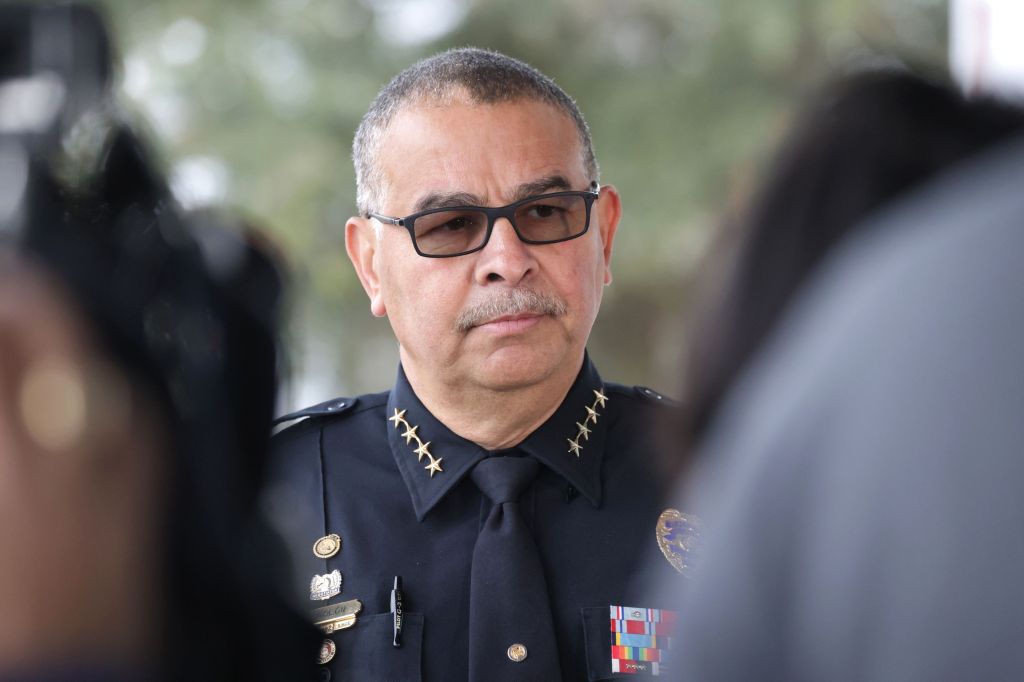
Orlando Rolón is the former Chief of Police for the city of Orlando.