
A Miami resident cloned his Boston Terrier, Lucas, after the dog died of lymphoma, preserving their unique bond through a genetic replica. Luiz Hoinkis, who got Lucas in 2017, described the dog as his best friend and soulmate, accompanying him on travels to dozens of countries. “What Lucas and I have is very unique,” Hoinkis said, reflecting on their special relationship.After Lucas’ death, Hoinkis explored cloning and collaborated with Colossal Biosciences and Viagen to create a clone of Lucas. “The people that I spoke with always gave great feedback,” Hoinkis said about his decision to pursue cloning. The process takes about 80 days and costs $50,000. “The price is like, look at this … this achievement,” Hoinkis said, acknowledging the financial commitment.Matt James, chief animal officer at Colossal Biosciences, explained the cloning process: “We’re using a technology called somatic cell nuclear transfer, or as we call it, cloning.” He added, “As the cell lines begin to proliferate in a dish, we can actually extract the nucleus from those cells and drop them into an egg cell of that animal.” From there, an embryo is created, and a surrogate dog carries the embryo until a genetically identical pup is born.”We’re able to guarantee that we can make a clone of that dog, assuming that the cells we collected were healthy cells,” James said.Despite the high cost and potential risks, such as the clone inheriting the same genetic issues as the original dog, Hoinkis has no regrets. “It’s almost like it never happened, like he never left me,” he said, describing what it’s like to have Lucas’ clone.”Do you have any regrets of cloning your dog? Not at all. I would have regretted it if I hadn’t,” Hoinkis said, emphasizing the joy and comfort the clone has brought him.Cloning pets is gaining popularity, with celebrities like Barbara Streisand, Paris Hilton and Tom Brady also opting for it. Brady, whose dog Junie is a clone of his late dog Lua, expressed his gratitude in a statement: “I love my animals. They mean the world to me and my family. In a few short months, Colossal gave my family a second chance with a clone of our beloved dog.”Luiz cherishes every moment with Lucas’ clone, saying, “Every minute I’m with them, it’s worth it.” Currently, there is a seven-month waiting list for those interested in cloning their dogs.If you want more information about Colossal Biosciences or cloning, click on these two links:ColossalViagenpet
MIAMI —
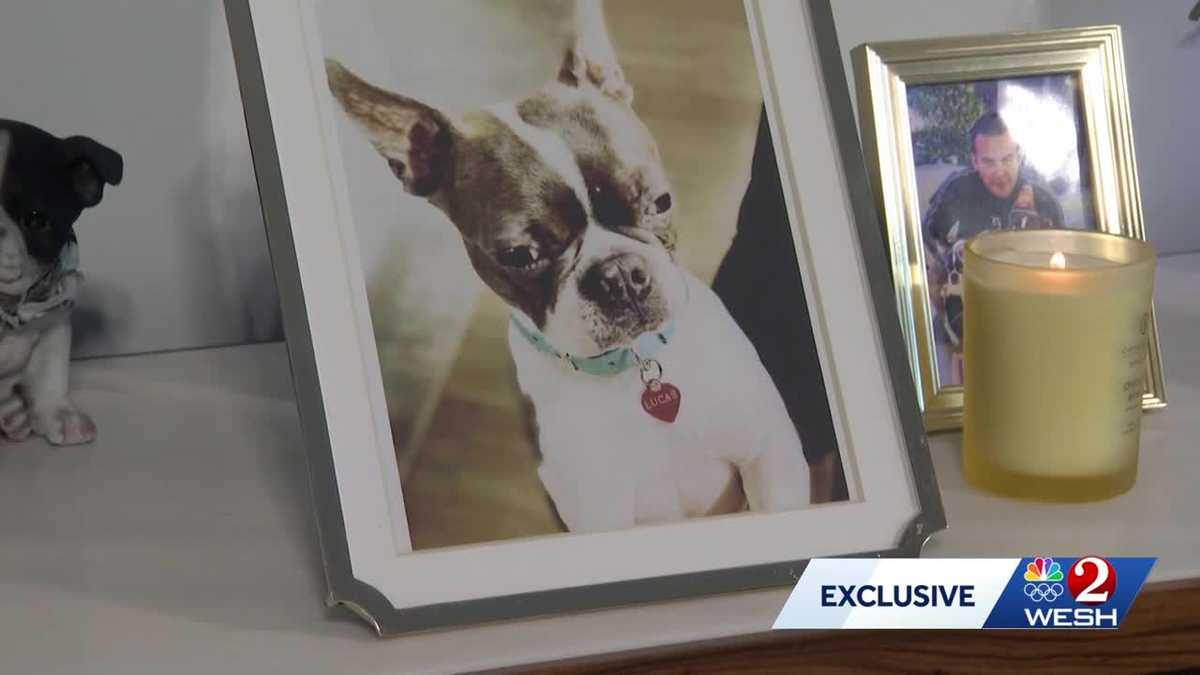
A Miami resident cloned his Boston Terrier, Lucas, after the dog died of lymphoma, preserving their unique bond through a genetic replica.
Luiz Hoinkis, who got Lucas in 2017, described the dog as his best friend and soulmate, accompanying him on travels to dozens of countries.
“What Lucas and I have is very unique,” Hoinkis said, reflecting on their special relationship.
After Lucas’ death, Hoinkis explored cloning and collaborated with Colossal Biosciences and Viagen to create a clone of Lucas.
“The people that I spoke with always gave great feedback,” Hoinkis said about his decision to pursue cloning.
The process takes about 80 days and costs $50,000.
“The price is like, look at this … this achievement,” Hoinkis said, acknowledging the financial commitment.
Matt James, chief animal officer at Colossal Biosciences, explained the cloning process: “We’re using a technology called somatic cell nuclear transfer, or as we call it, cloning.”
He added, “As the cell lines begin to proliferate in a dish, we can actually extract the nucleus from those cells and drop them into an egg cell of that animal.”
From there, an embryo is created, and a surrogate dog carries the embryo until a genetically identical pup is born.
“We’re able to guarantee that we can make a clone of that dog, assuming that the cells we collected were healthy cells,” James said.
Despite the high cost and potential risks, such as the clone inheriting the same genetic issues as the original dog, Hoinkis has no regrets.
“It’s almost like it never happened, like he never left me,” he said, describing what it’s like to have Lucas’ clone.
“Do you have any regrets of cloning your dog? Not at all. I would have regretted it if I hadn’t,” Hoinkis said, emphasizing the joy and comfort the clone has brought him.
Cloning pets is gaining popularity, with celebrities like Barbara Streisand, Paris Hilton and Tom Brady also opting for it.
Brady, whose dog Junie is a clone of his late dog Lua, expressed his gratitude in a statement: “I love my animals. They mean the world to me and my family. In a few short months, Colossal gave my family a second chance with a clone of our beloved dog.”
Luiz cherishes every moment with Lucas’ clone, saying, “Every minute I’m with them, it’s worth it.”
Currently, there is a seven-month waiting list for those interested in cloning their dogs.
If you want more information about Colossal Biosciences or cloning, click on these two links: