
Drivers and commuters in downtown Orlando may notice more construction and road closures starting this week as the city moves forward with a major improvement project aimed at making downtown more walkable and accessible.The city of Orlando has officially started Phase 1 of the Magnolia Avenue two-way conversion, one of the first major projects under the Downtown Orlando Action Plan. City leaders say the changes will improve traffic flow, pedestrian safety, and access to local businesses near the Orange County Courthouse and the surrounding downtown area.Magnolia Avenue, which runs parallel to Orange Avenue, is currently a one-way street with dedicated LYMMO bus lanes near St. James Cathedral and the Orange County Courthouse. City officials say that will soon change.Under the project, Magnolia Avenue will be converted back into a two-way street, most of the dedicated LYMMO bus lanes will be removed, buses will be integrated into regular traffic and additional on-street parking will be added. City leaders say the goal is to create a safer, more walkable and bike-friendly downtown corridor.To complete the work, Magnolia Avenue will be closed between Livingston Street and Jefferson Street for approximately six weeks. While the roadway will be closed to through traffic, all intersections along the corridor will stay open.Drivers will be detoured to Rosalind Avenue for through traffic, and the city is encouraging drivers to plan alternate routes ahead of time. Pedestrian and bicycle access will remain open throughout the project, with sidewalks staying accessible during the construction.City renderings also show potential future enhancements along Magnolia Avenue, including space that could host a farmers market once construction is complete.Magnolia Avenue was originally a two-way street before being converted to one-way traffic in the 1950s to support commuter traffic following the construction of Interstate 4. City leaders say many downtown streets were built for high-volume traffic, making walking, biking and transit use more difficult. For more information, maps and construction updates, click here to view the city of Orlando’s website.
ORLANDO, Fla. —
Drivers and commuters in downtown Orlando may notice more construction and road closures starting this week as the city moves forward with a major improvement project aimed at making downtown more walkable and accessible.
The city of Orlando has officially started Phase 1 of the Magnolia Avenue two-way conversion, one of the first major projects under the Downtown Orlando Action Plan.
City leaders say the changes will improve traffic flow, pedestrian safety, and access to local businesses near the Orange County Courthouse and the surrounding downtown area.
Magnolia Avenue, which runs parallel to Orange Avenue, is currently a one-way street with dedicated LYMMO bus lanes near St. James Cathedral and the Orange County Courthouse. City officials say that will soon change.
Under the project, Magnolia Avenue will be converted back into a two-way street, most of the dedicated LYMMO bus lanes will be removed, buses will be integrated into regular traffic and additional on-street parking will be added.
City leaders say the goal is to create a safer, more walkable and bike-friendly downtown corridor.
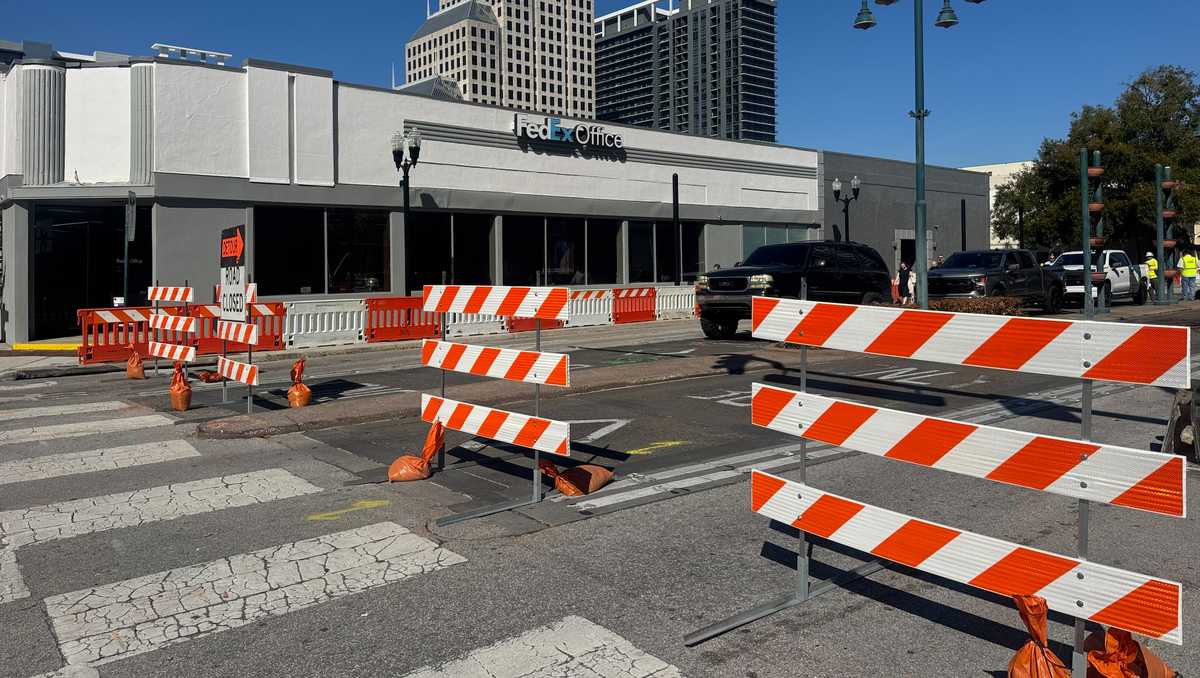
To complete the work, Magnolia Avenue will be closed between Livingston Street and Jefferson Street for approximately six weeks. While the roadway will be closed to through traffic, all intersections along the corridor will stay open.
Drivers will be detoured to Rosalind Avenue for through traffic, and the city is encouraging drivers to plan alternate routes ahead of time.
Pedestrian and bicycle access will remain open throughout the project, with sidewalks staying accessible during the construction.
City renderings also show potential future enhancements along Magnolia Avenue, including space that could host a farmers market once construction is complete.
Magnolia Avenue was originally a two-way street before being converted to one-way traffic in the 1950s to support commuter traffic following the construction of Interstate 4. City leaders say many downtown streets were built for high-volume traffic, making walking, biking and transit use more difficult.
For more information, maps and construction updates, click here to view the city of Orlando’s website.