
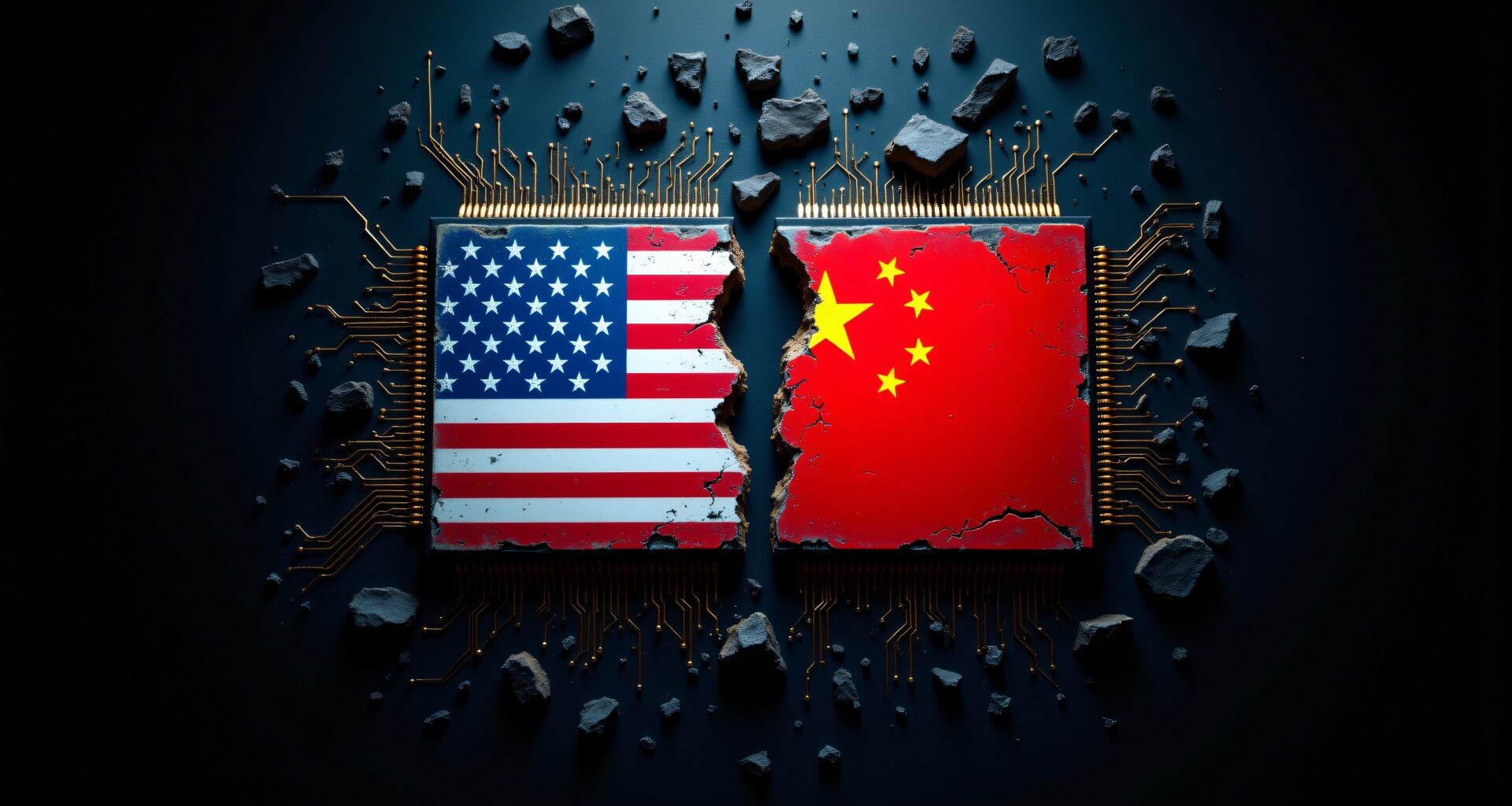
Once again, Florida is showing the rest of the country how to lead in protecting its citizens from foreign threats that are too often ignored in other states.
Florida Attorney General James Uthmeier’s recent announcement of the CHINA (Consumer Harm from International Nefarious Actors) Prevention Unit within the Office of the Attorney General marks an important and overdue response to a growing security risk embedded in America’s health care system. This dedicated unit will focus on identifying and countering threats posed by China and other foreign adversaries, particularly where those threats intersect with sensitive data, critical infrastructure, and public health.
One of the most overlooked vulnerabilities in modern health care is the widespread reliance on Chinese-manufactured medical devices. From patient monitors and infusion pumps to diagnostic and imaging equipment, many of the tools used every day in hospitals and clinics across Florida are produced by companies ultimately subject to the authority of the Chinese Communist Party (CCP).
This is not a theoretical concern. Under China’s 2017 National Intelligence Law, companies operating in China can be compelled to share data collected by their products with the CCP. When those products are internet-connected medical devices used in American health care settings, the implications for patient privacy, data security, and national sovereignty are significant.
Federal agencies, including the U.S. Food and Drug Administration and the Cybersecurity and Infrastructure Security Agency (CISA), have warned for years about the cybersecurity and data risks posed by foreign-manufactured medical technology. Yet meaningful action has often lagged behind the warnings.

Uthmeier’s CHINA Prevention Unit signals that Florida is no longer willing to accept the status quo. His office has already taken steps to demand transparency from medical device manufacturers such as Mindray North America, including requests to disclose corporate ties to the CCP. That kind of vigilance is essential in an era when digital infrastructure and national security are inseparable.
Protecting Floridians from covert and coercive foreign influence is the kind of leadership The James Madison Institute supports. We also encourage the Florida Legislature to build on this momentum by advancing policies that reinforce both economic freedom and national security.
Lawmakers should ensure that state health agencies and procurement boards prioritize medical devices that meet rigorous cybersecurity and supply-chain transparency standards. Companies subject to CCP influence should not be eligible for taxpayer-funded contracts, particularly when safer alternatives exist.
The Legislature can also leverage existing funding mechanisms. Conditioning Medicaid reimbursements and other public health care dollars on the use of secure, non-CCP-linked equipment would encourage providers to make prudent technology choices while respecting market dynamics. Hospitals and clinics that receive public funds should be accountable for the integrity and origin of the technologies they deploy.
Rather than relying on heavy-handed regulation, Florida should pursue solutions that foster innovation and competition. Strategic tax incentives, targeted grants, and procurement preferences can help rebuild a strong domestic medical-device manufacturing base. Supporting American-made technology strengthens health care resilience while reinforcing economic independence, an objective long championed by President Donald Trump and shared by conservatives nationwide.

Florida’s openness to global commerce has long been a strength, but as Uthmeier recently noted, openness must not be mistaken for vulnerability. By confronting foreign risks embedded in health care technology, Florida can once again set the standard for how states protect their citizens, their data, and their sovereignty.
___
Doug Wheeler is the Director of the George Gibbs Center for Economic Prosperity at The James Madison Institute.