
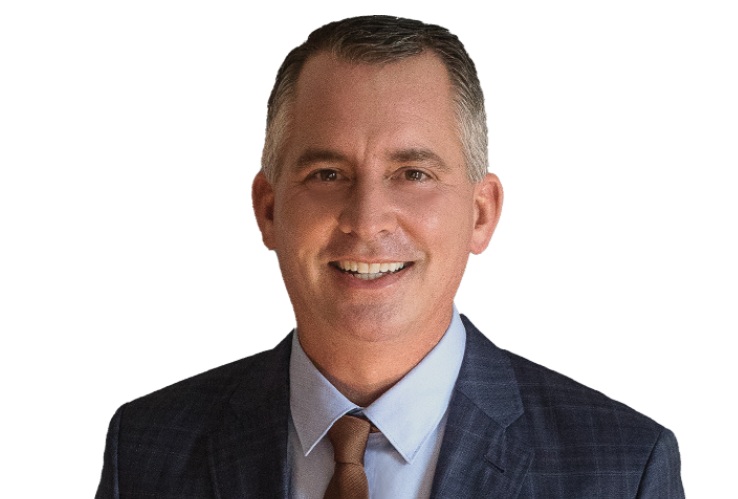


Florida gubernatorial candidate David Jolly is staking out a controversial position on immigration enforcement, saying he would not require state and local law enforcement agencies to participate in 287(g) agreements with U.S. Immigration and Customs Enforcement (ICE) if elected governor.
The 287(g) program allows local police and sheriff’s deputies to carry out certain federal immigration enforcement functions — including identifying and detaining individuals suspected of being in the country illegally — when trained and authorized by ICE. The agreements have become a flashpoint in Florida politics, where many local governments and law enforcement agencies have opted in under recent state policy and legislative pressure.
In a statement this week, Jolly said he would not mandate participation in 287(g) programs and suggested suspending such agreements while ensuring proper oversight and due process protections are in place. “I would not, as governor, require the 287(g) agreements, because I would trust local law enforcement to decide whether or not that’s something they should engage in,” Jolly told NEWS 9. He added that he believes oversight is necessary to ensure ICE agents are held accountable and individual rights are protected.
Jolly’s position sharply diverges from current state policy under Gov. Ron DeSantis, who has expanded cooperation with ICE, including a statewide 287(g) agreement that empowers the Florida Highway Patrol and other agencies to assist federal immigration enforcement. Supporters say these partnerships are crucial to public safety, while critics argue they can lead to racial profiling and erode trust between immigrant communities and local law enforcement.
The Democratic candidate’s comments have drawn immediate backlash from Republican leaders. Florida Chief Financial Officer Blaise Ingoglia derided Jolly’s stance as tantamount to creating sanctuary cities, arguing the governor’s job is to protect citizens from crime. Jolly responded by emphasizing his faith in local sheriffs and police chiefs to set enforcement priorities without state mandates.
The debate over 287(g) agreements is shaping up as a key issue in the 2026 governor’s race, reflecting broader national tensions over immigration enforcement and local control. Jolly’s stance could appeal to voters wary of federal overreach, but it also risks alienating those who want aggressive immigration enforcement at all levels of government.