
Every year on Feb. 11, communities across the country mark 211 Day. The date is meant to raise awareness of a simple idea: when life becomes overwhelming, help should be easy to reach. But the real story behind those three digits is not the number itself. It is what happens when someone reaches out during a moment of uncertainty and a real person answers.
People don’t seek help when things are going smoothly. They reach out after a housing issue has escalated, a utility shutoff notice has arrived or a health concern has collided with financial stress. In those moments, urgency takes over. Decisions feel heavier. The pressure to act is immediate, even when it’s not clear where to begin.
In moments like these, people are not looking for perfect answers. They are looking for someone who can listen, understand what’s happening, and help steady the situation enough to take the next step. That’s the role of the specialists who answer 211 calls.
They’re rarely visible, but they are often among the first to respond when someone reaches out for assistance. Each specialist is trained in crisis response and de-escalation, listening carefully and bringing calm to conversations that may begin in distress. From there, specialists help assess options and connect callers to appropriate local resources. They understand how systems overlap and where they break down, and they help people move forward without having to make multiple calls or repeat the same story again and again. A call may not end with a solution, but it often ends with direction.
This kind of support matters because most communities are not completely lacking services. The challenge is that these services are often fragmented, making it difficult for someone seeking help to know where to find them. Under pressure, that uncertainty can make it hard to take a first step.
When that happens, the process itself can get in the way. Long applications, hold times or being redirected can add strain at the worst possible moment. Having a trained person help identify what comes next makes support feel accessible.
It’s also a reminder of what still matters in an increasingly automated world. Many of our everyday interactions have been reduced to screens, prompts and preprogrammed responses. That efficiency has its place. But especially in moments of crisis, it falls short.
A real voice on the other end of the line can bring a moment of steadiness when things feel unmanageable, simply by listening and staying present.
The demand for this kind of help is significant.
In 2025 alone, Heart of Florida United Way answered more than 242,000 calls, texts and online messages across Orange, Osceola and Seminole counties. The most common needs were consistent across the region, with housing and shelter accounting for the largest share (41%), followed by utilities (18%) and mental health support (6%). Nationally, the 211 network handled nearly 16.8 million requests in 2024.
These calls reflect a consistent pattern: when systems are complicated and stakes are high, people turn to a human voice to help them make sense of what comes next.
These are not isolated cases. They reflect the everyday pressures facing families, workers and individuals across the country. Numbers can make those challenges feel distant, but behind each one is someone trying to stay housed, keep the lights on or find support during a difficult moment.
The scale of need is a reminder that crisis is not rare, and that access to timely, human help continues to matter.
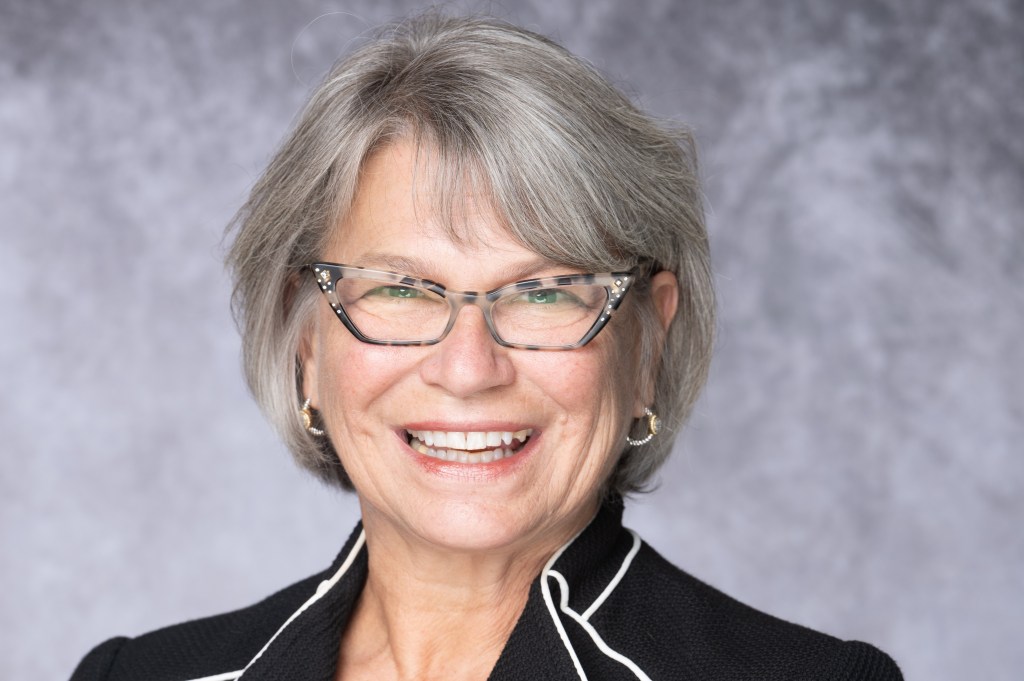
Catherine Rea is the vice president of Heart of Florida United Way’s 211 and Crisis Services.