
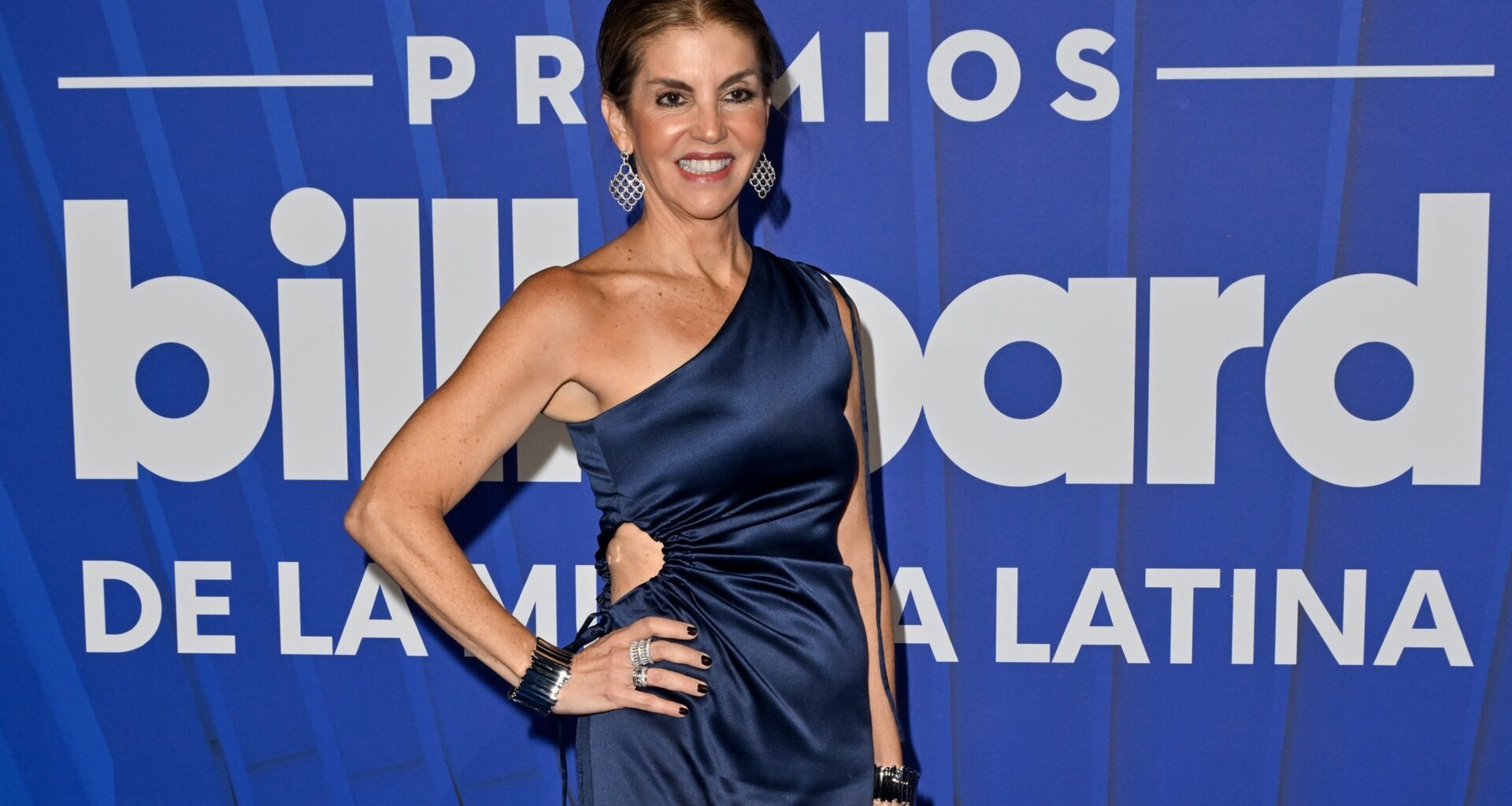
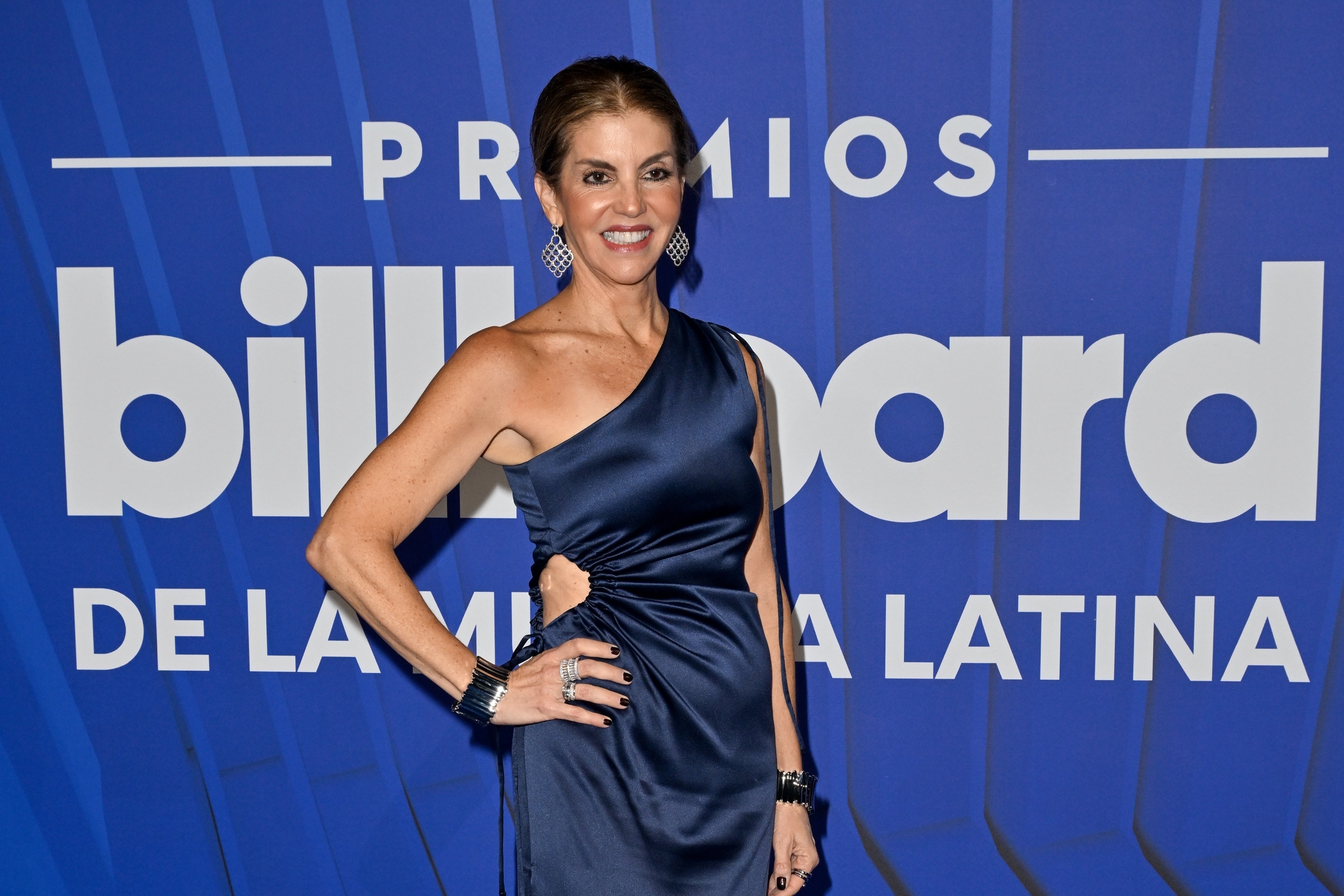
Cobo’s earned influence is evident in the way Billboard has prioritized coverage of artists like Bad Bunny early on.
Leila Cobo photo.
Editor’s Note: This profile is part of New Times’ People to Watch issue, spotlighting figures we expect to make a big impact in Miami in 2026.
If there is someone we should always keep an eye on, it’s Leila Cobo, who embodies the spirit of curiosity, drive, and the kind of boundary-pushing that reshapes industries. At a time when Latin music has evolved from a so-called “niche” to a global pop phenomenon, Cobo has stayed busy orchestrating that shift.
After years as Billboard’s Chief Content Officer for Latin Music and Español, Cobo was recently promoted to Co-Chief Content Officer for the global brand, alongside Jason Lipshutz. It’s a career milestone that underscores the undeniable influence of Latin music in the U.S. and beyond.
“I hope this shows how important Latin music is today,” she says. “It was invisible for a long time. Now, it’s universal.”
Cobo, who is a trained pianist, originally set out to write about classical music, but she quickly recognized a gap: no one in the mainstream was covering Latin music in English. So she made it her beat. “I grew up listening to this music, I knew it well, and I realized I could contribute.”
She carved her place in the industry by building bridges — between genres, languages, and cultures. In the early days, she was a pop music critic for the Miami Herald and a reporter for the Los Angeles Times.
Her earned influence is evident in the way Billboard has prioritized coverage of artists like Bad Bunny early on. “We thought there was something there and we stuck with it,” she says. “We supported him before the world knew him.”
When asked about the cultural significance of Bad Bunny headlining the Super Bowl halftime show in 2026, Cobo is clear. “It’s supposed to be an entertaining halftime show. It’s not supposed to be a political education. I hope people can look at it from that lens,” she says. “The fact that he performed in Spanish on a stage like that, that’s beautiful.”
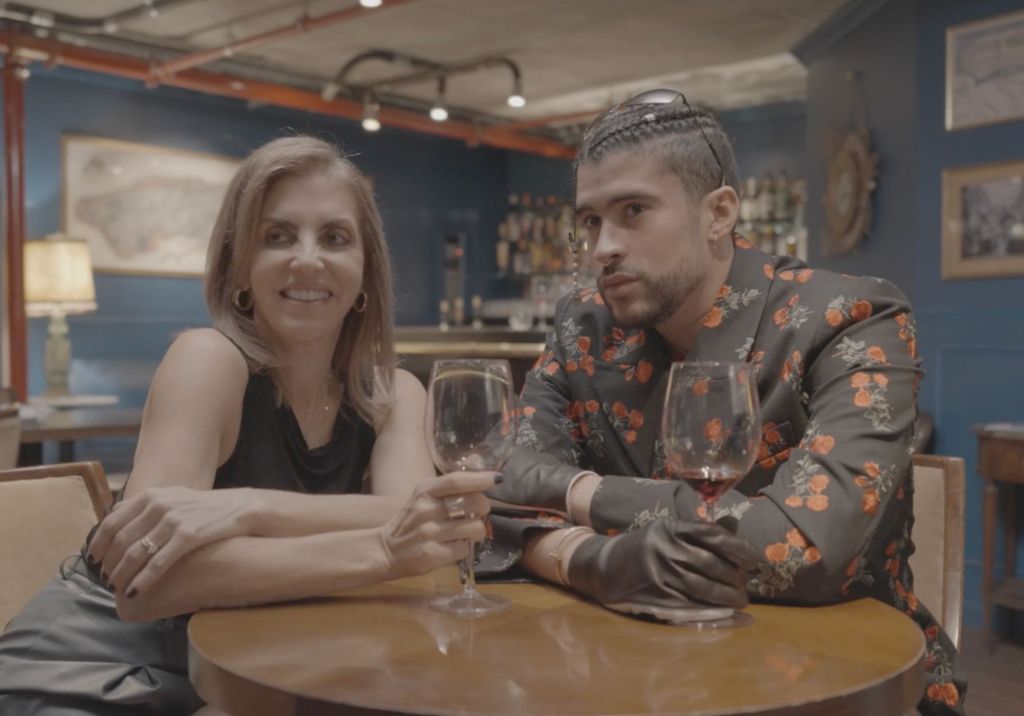 Leila Cobo in conversation with Bad Bunny
A Desk With a 305 View
Cobo sees Miami not just as her home base, but as a central force in Latin music’s rise. “Miami is such a Latin city, and it’s a city that’s not just Latin, but it’s a city where Latinos wield influence, which is different,” she says. With major Latin labels, media networks, and a geographically strategic location, Miami fosters both the creative and business sides of the industry.
The city also allows for cultural duality. “Miami brings together people born in Latin America and U.S.-born Latinos. They experience music differently, and this city lets both perspectives thrive.”
Cobo’s presence in Miami is more than symbolic. Her role at Billboard from a city outside New York represents a broader industry shift. “Ten years ago, it would’ve been unthinkable to oversee Billboard from Miami. Now, it proves how central Latin music is to the global conversation.”
As a journalist, Cobo understood early on that visibility mattered. “Language was a barrier for a long time. Writing about Latin music in English gave it presence in the mainstream.”
That presence now echoes through algorithms and digital searches. “What we write gets resurfaced. If it’s not covered, many people wouldn’t know it’s happening.”
Her editorial philosophy is about commitment and credibility. “I’m not able to cover everything, but when I see something that excites me, I support it as much as I can.”
Bumps on the Road
The road hasn’t been smooth. Her earliest challenge was convincing decision-makers that Latin music deserved serious coverage. “You’d see Vicente Fernández fill a stadium in New York City, and people still didn’t see the impact.”
Today, the challenge is different. As a writer, she grapples with shifting formats. “Fewer people are reading. They want video. The way we tell stories is changing, but writing is still at the core.”
Volume, too, can threaten quality. “There’s better reporting and better music, but maintaining high standards is harder now. Content is always king for me.”
Despite her expanded role, Cobo remains hands-on with key initiatives. “Latin Music Week is my baby,” she says. “They told me to delegate more, but I said I have to keep programming that.”
She’s also producing Billboard’s Latin Women in Music TV special, airing in April on Telemundo, and laying groundwork for music activations around the 2026 World Cup in Miami. “We’re excited about what we can do at Freedom Park. Music and sports go hand in hand.”
Even with new platforms, evolving media, and rising global artists, Leila Cobo remains grounded in what she does best: thoughtful storytelling. “I always thought I would have to move to New York. And now, I can be based in Miami and help oversee all of Billboard. That alone is a reflection of how much Billboard values Latin music, and how far we’ve come.”