
Florida Chief Financial Officer Blaise Ingoglia on Wednesday handed out more than $1.5 million in reimbursement checks to local law enforcement agencies, saying the money will support immigration enforcement efforts statewide.But it was his next announcement that drew the most attention.Ingoglia said he is drafting legislation to expand Florida’s “Halo Act,” a law that requires people to stay at least 25 feet away from police officers and first responders while they are working at a scene.He wants those same protections to apply to federal law enforcement officers, including U.S. Immigration and Customs Enforcement and Homeland Security agents.”These same protections, we believe, should be applied to our federal law enforcement partners also,” Ingoglia said. “So if you have ICE or Homeland Security conducting raids, trying to get rid of criminal illegal aliens from your community in the state of Florida, you will not be able to approach and film.”Opponents say the law is already concerning and warn that expanding it could raise constitutional questions.Matt Landsman, a criminal trial attorney, said Florida already has laws that make it illegal to interfere with police officers performing their duties. He said the Halo Act shifts the balance of power and creates uncertainty for the public.”It’s kind of pushing the balance into more clarity in terms of what law enforcement’s powers are under the circumstances,” Landsman said. “However, it makes it muddier from the citizen’s standpoint as far as, where do my rights end?”Critics argue that expanding the Halo Act to federal agents could discourage people from recording officers in public, even though that is a legal right.Ingoglia defended the proposal, saying the goal is to protect federal agents operating in Florida.”You will not be able to approach and harass,” Ingoglia said. “We will put you in jail the same way you would harass these guys behind us. Florida is not Minnesota.”
, Fla. —
Florida Chief Financial Officer Blaise Ingoglia on Wednesday handed out more than $1.5 million in reimbursement checks to local law enforcement agencies, saying the money will support immigration enforcement efforts statewide.
But it was his next announcement that drew the most attention.
Ingoglia said he is drafting legislation to expand Florida’s “Halo Act,” a law that requires people to stay at least 25 feet away from police officers and first responders while they are working at a scene.
He wants those same protections to apply to federal law enforcement officers, including U.S. Immigration and Customs Enforcement and Homeland Security agents.
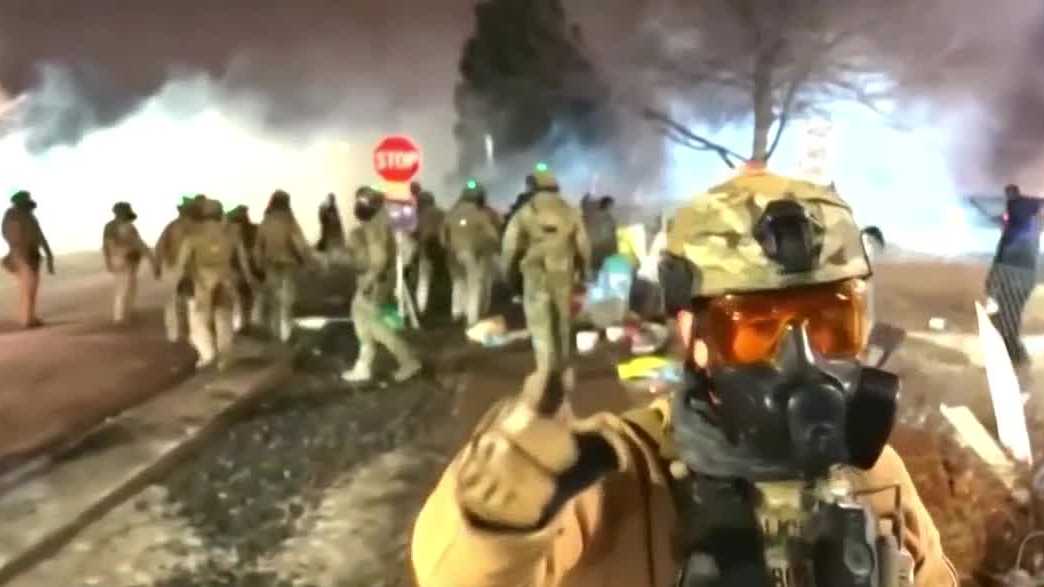
“These same protections, we believe, should be applied to our federal law enforcement partners also,” Ingoglia said. “So if you have ICE or Homeland Security conducting raids, trying to get rid of criminal illegal aliens from your community in the state of Florida, you will not be able to approach and film.”
Opponents say the law is already concerning and warn that expanding it could raise constitutional questions.
Matt Landsman, a criminal trial attorney, said Florida already has laws that make it illegal to interfere with police officers performing their duties. He said the Halo Act shifts the balance of power and creates uncertainty for the public.
“It’s kind of pushing the balance into more clarity in terms of what law enforcement’s powers are under the circumstances,” Landsman said. “However, it makes it muddier from the citizen’s standpoint as far as, where do my rights end?”
Critics argue that expanding the Halo Act to federal agents could discourage people from recording officers in public, even though that is a legal right.
Ingoglia defended the proposal, saying the goal is to protect federal agents operating in Florida.
“You will not be able to approach and harass,” Ingoglia said. “We will put you in jail the same way you would harass these guys behind us. Florida is not Minnesota.”