
TAMPA, Fla. — What began as Black History Week turned into Black History Month.
And now, 100 years later, we are honoring a century of Black History Month.
History can be taught, and it can be shared. But most importantly, it must be preserved.
Despite 100 years of recognition, a question that needs to be asked: is Black History becoming history?
What You Need To Know
What started as a historical week in 1926 by Dr. Carter G. Woodson has hit its centennial. It officially became a month-long federal observance in 1976 under President Gerald Ford
Florida is planning a state Black History Museum in St. Augustine. Locally, schools like Blake, Middleton, and Gibbs High Schools stand as physical landmarks of the era of segregation
America is celebrating 250 years. Over that time, we have seen the abolition of slavery, the Civil Rights Movement, the first Black president and the first Black woman to be vice president
Black History Timeline
— How we got here —
How did we get here?
— Dr. Carter G. Woodson —
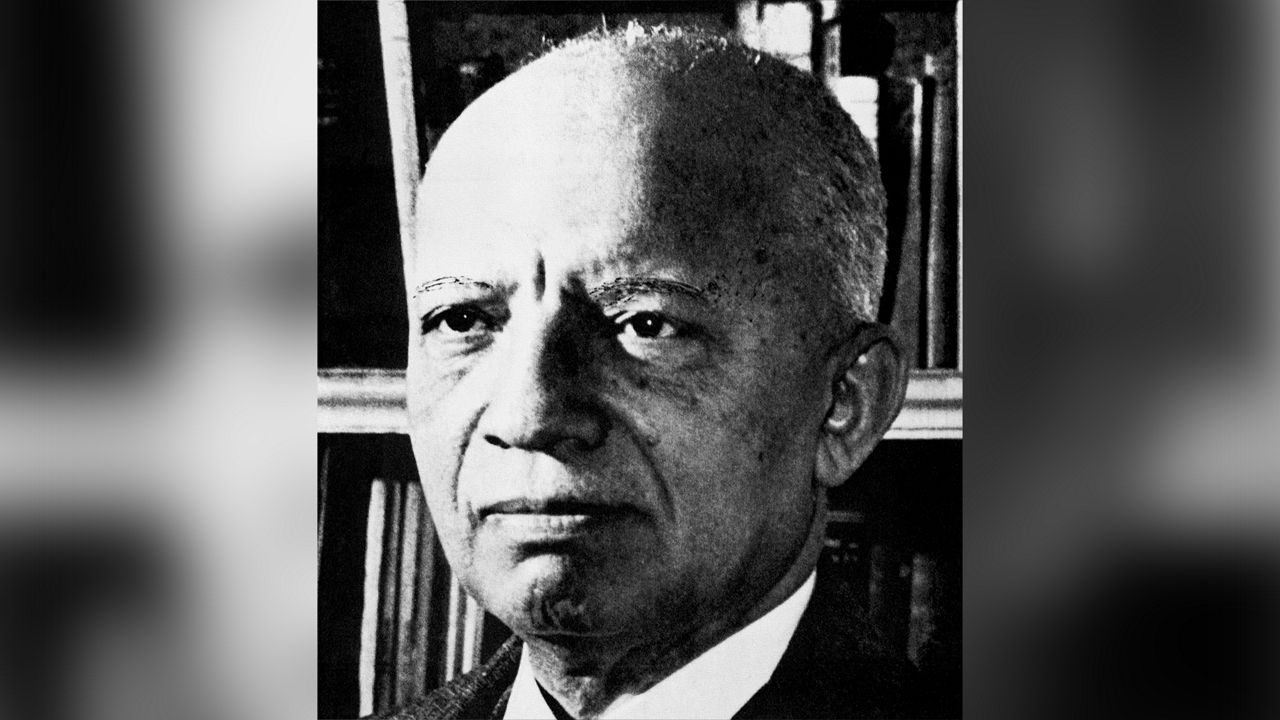
The month we know now began as a week, and it began with Dr. Carter G. Woodson. Woodson was the son of parents who had once been slaves. At one point he worked as a coal miner and later became the second Black person to earn a Ph.D. from Harvard University. He also founded the Association for the Study of African American Life and History.
On Feb. 7, 1926, Woodson launched Negro History Week to teach and explore the contributions of African Americans. He chose the month because of two birthdays: Abraham Lincoln and Frederick Douglass.
It expanded into a month in the 1960s, coinciding with the Civil Rights Movement. But it wasn’t until 1970 that the first official Black History Month celebration took place at Kent State University. Six years later came federal recognition.
In 1976, President Gerald Ford officially designated February as Black History Month, urging Americans to recognize Black achievements. It came the same year the U.S. celebrated the Bicentennial.
Since then, every president has designated February as Black History Month with a proclamation.
St. Pete’s Historic Deuces District
— “The Beating Heart” —
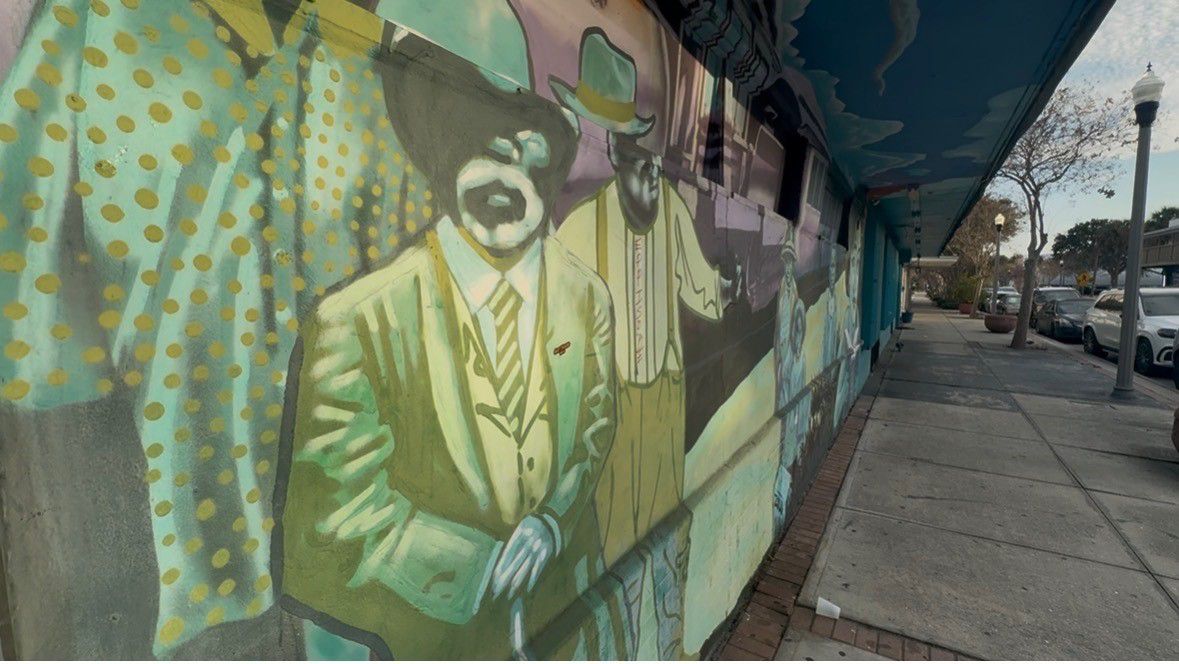
Before the end of segregation, there were two St. Petes: a white one and a Black one.
Laws restricted Black residents from going to certain portions of the city except for work, limiting them to designated areas and neighborhoods.
The most famous of those neighborhoods is the one centered around 22nd Street South, often called “The Deuces.”
“It was more than a street. It was an ecosystem. It was our ecosystem,” said Latorra Bowles, executive director of Deuces Live. “It was the only place African Americans thrived.”
It was also a self-contained area that tried to cover all facets of life.
A discussion on DEI
— Diversity, Equity and Inclusion —
By themselves, the words “Diversity, Equity and Inclusion,” may not be controversial, but when combined to form the phrase DEI, they have been plenty controversial.
Florida has banned or restricted DEI in multiple ways.
Critics say it’s unnecessary, even describing it as reverse discrimination.
We wanted to dig deeper into that argument and DEI’s place in our community.
Preserving Black History
— “Investment in the Community” —
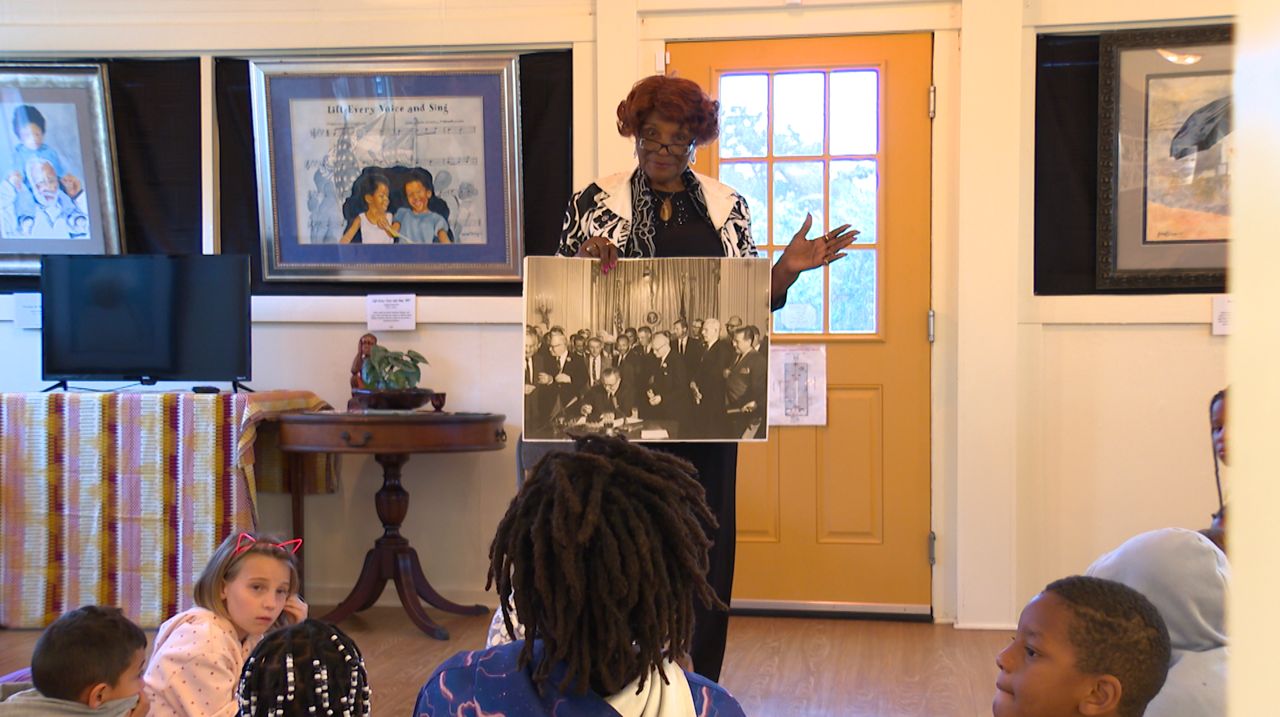
When it comes to preserving Black history, it can be costly.
But for one Florida museum, the price tag pales in comparison to the rich history they’re determined to tell with their museum and planned cultural center.
There are concerns that history is literally being replaced.
Last year, the Florida Department of Transportation painted over hundreds of murals on roads and crosswalks under a new state law.
The governor said it was about making roads safer and complying with federal law.
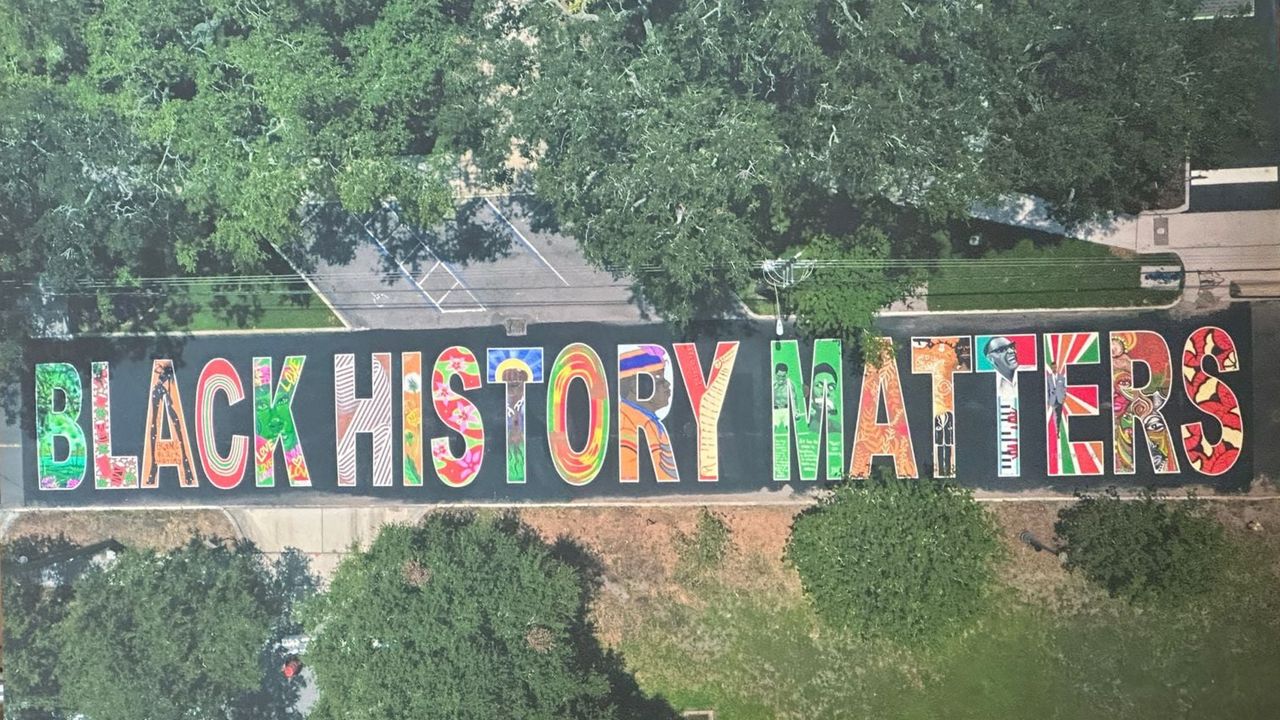
In St. Pete, crews removed several prominent street murals, including the “Black History Matters” mural, right in front of the Woodson Museum. That artwork replaced the previous one painted in 2020, which read, “Black Lives Matter.”
Black History Month and America 250
— Celebrating 100 Years —
As we mark 100 years of Black History Month, the U.S. is also celebrating a major milestone this year — the 250th birthday of our country.
Black history is American history.
Over those 250 years, we have seen the abolition of slavery, the Civil Rights Movement, the first Black president, and the first Black woman to be vice president.
But those are widely known moments. There is a whole lot more out there.