
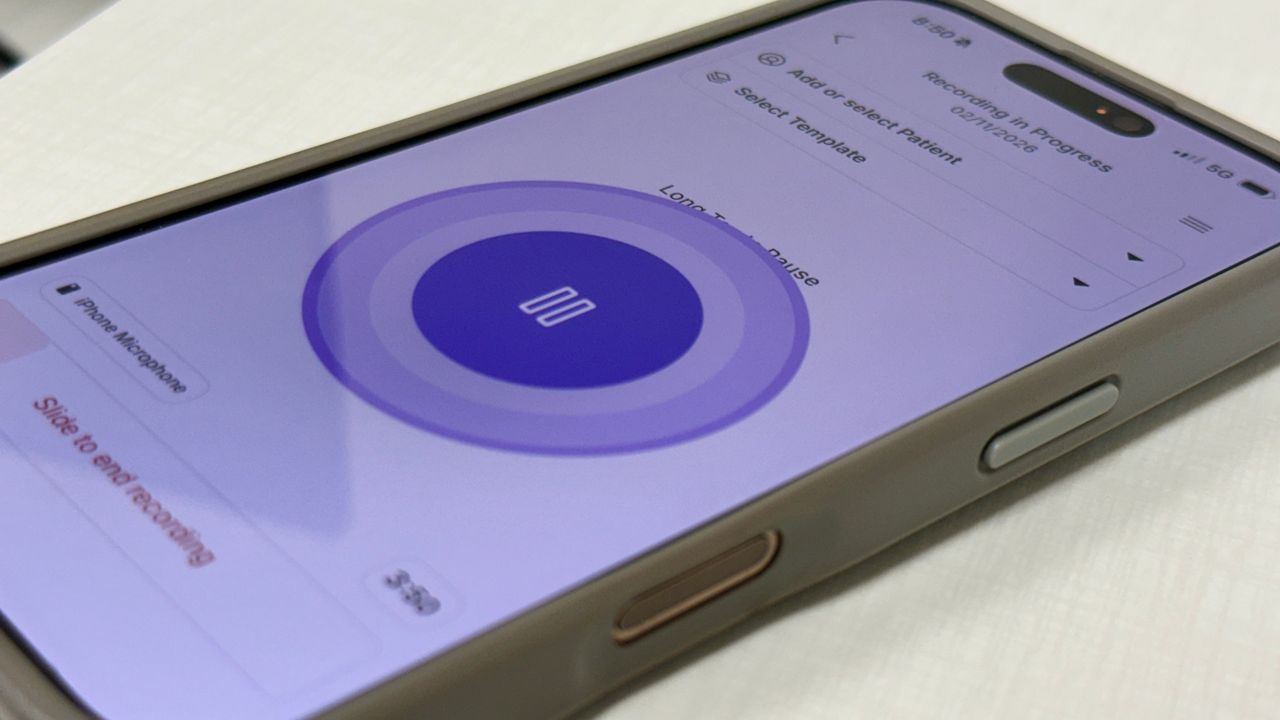
TAMPA, Fla. — A new part of a doctor’s greeting with a patient now involves a bit of a new explanation.
More medical offices are implementing the use of artificial intelligence to summarize patient visits to help reduce documentation, time, and improve patient interactions.
What You Need To Know
Orlando Health interventional cardiologist confirmed AI use has immensely helped office efficiency and understanding from patients of their current state of health
Dr. Jesal Popat, cardiologist at Orlando Health, said the AI app used is HIPPA compliant, and patients are told and asked for their consent before it is used for information
Some patients have been hesitant about AI use in professional, medical settings, but Popat said after understanding how it works that almost all patients in his office are on board
“We are using artificial intelligence today in the office,” said Dr. Jesal Popat, an Interventional Cardiologist with Orlando Health.
Popat said his office at Orlando Health has begun to use AI to summarize his visits with patient, like Maureen Cravey and others.
Popat’s cell phone utilizes a secure application with Orlando Health to listen and understand what is said during appointments.
“I kind of saw it as sort of a court stenographer,” said Cravey. “Just somebody taking notes, which allowed then my provider, which of course is Dr. Popat, to stay focused on me.”
The entire visit, Popat never looks at a computer screen or any other technology, keeping his full attention on Cravey. The two discuss her current medical heart needs and future procedures.
When Orlando Health first launched this, Popat admits some of his clients were wary for their safety.
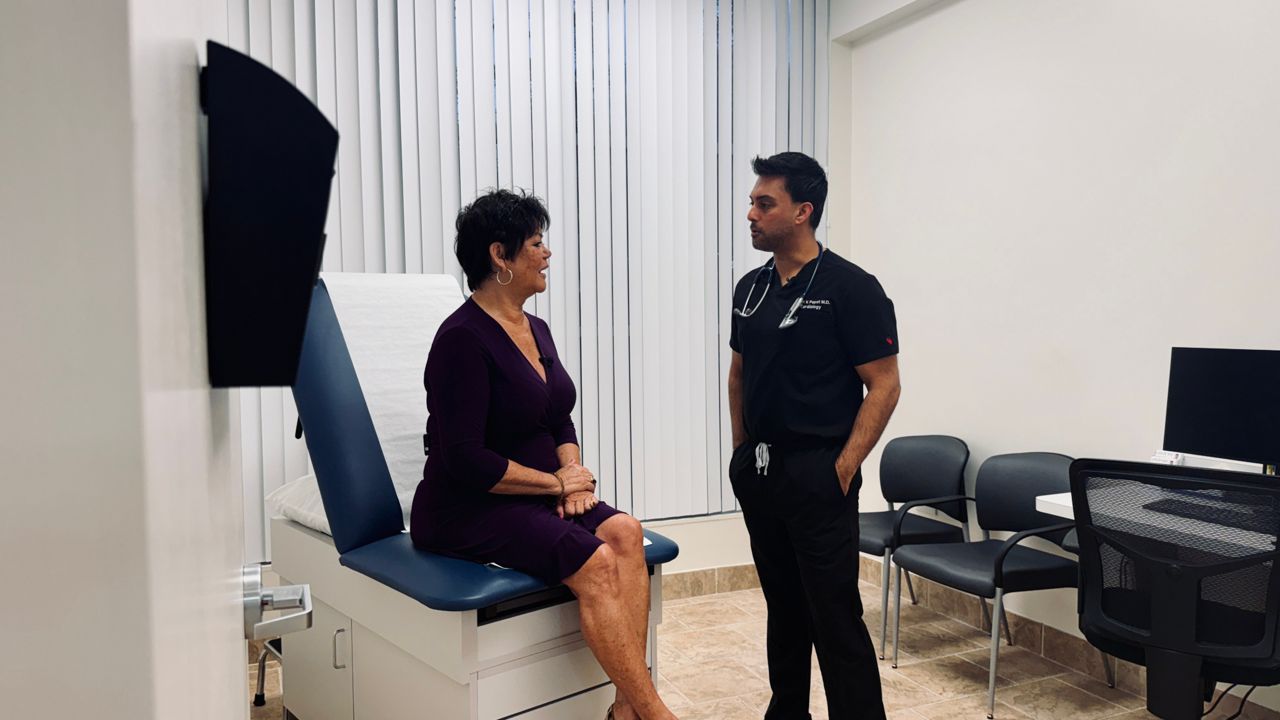
Dr. Jesal Popat, an Interventional Cardiologist with Orlando Health, talks with patient Maureen Cravey. (Spectrum News/Erin Murray)
“There was apprehension about privacy concerns and just reassuring the patients that all of the technology that we use is HIPPA compliant and health care quality grade. If it wasn’t, we would have nothing to do with it,” Popat said.
Once the visit ended, the information gathered via AI is turned into a summary and printed out. Cravey was given the printout when she checked out.
On the paper it showed everything discussed including medications and doses, upcoming procedures, and any lifestyle modifications she may need to make.
“Since we started using AI in the office, the phone calls to our office from patients or patients’ family members has gone down by about 50%,” said Popat.
Popat said that AI has helped in a big way with family of patients who cannot attend checkups with their loved ones, keeping ever the furthest family members up to date with instant information.
“It’s just a wonderful thing to be able to look at that hard copy, because it’s hard to retain everything when somebody is telling you something about your health,” said Cravey.
Popat said the AI recording from appointments is deleted instantly after a patient’s visit, ensuring none are saved for client privacy, and no identifiable patient information is entered into the AI application other than a person’s name.