
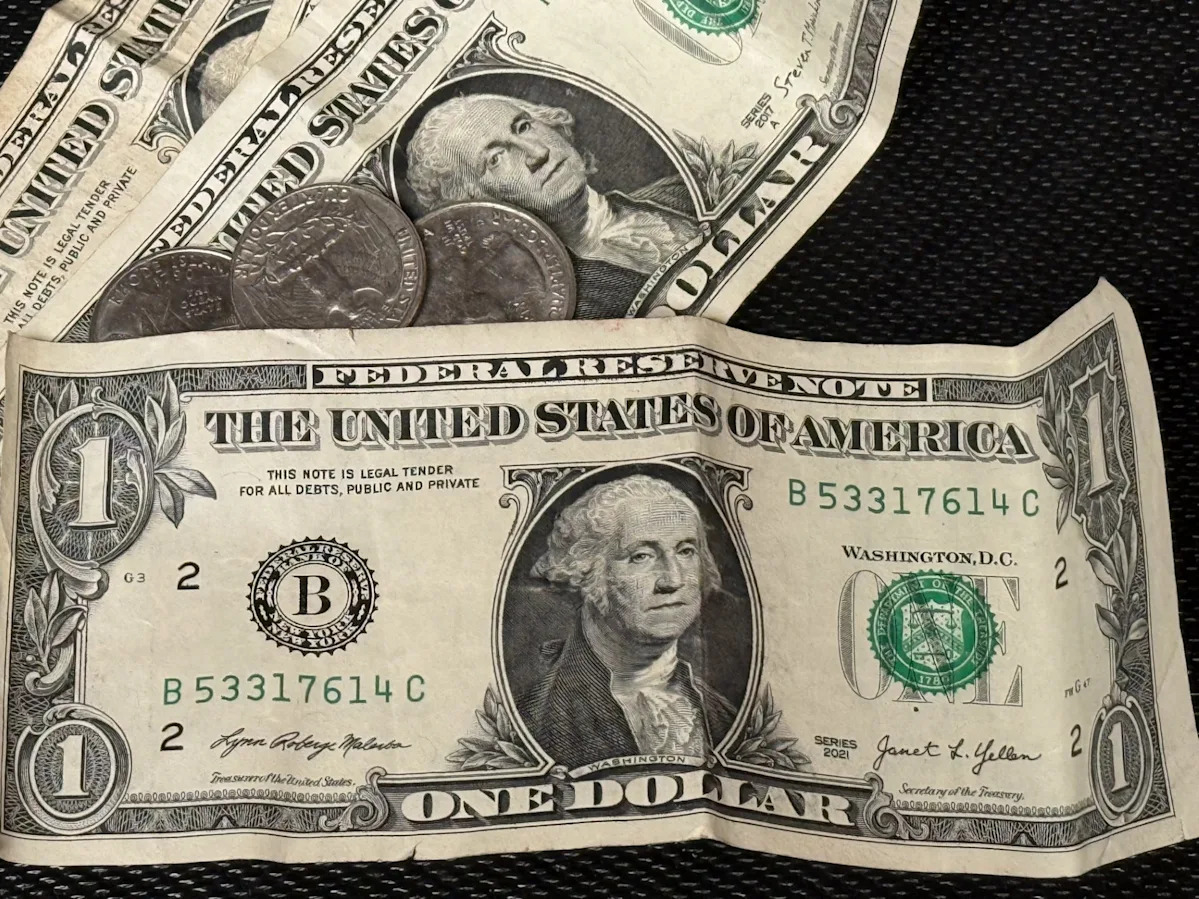
Florida’s minimum wage just went up another dollar on its way to reaching $15 per hour in 2026.
A Florida legislator has already filed a bill to allow some employers to get around that by letting people working in apprenticeships, internships or work-study programs choose to opt out.
HB 221, filed by Rep. Ryan Chamberlin, R–Belleview, is similar to one he filed last year (HB 541) that advanced in both houses but died in committee. He said the minimum wage hike was “enacted with good intentions” but would lead to fewer work opportunities.
“As we continuously artificially increase the minimum wage, not only does our cost of living increase, but employees are forced out of the job market, adding unforeseen consequences and stress to their families,” Chamberlin wrote in a note explaining the bill.
Democrats argued that companies could abuse the law by labeling all entry-level jobs as “apprenticeships” or “internships.”
What is the minimum wage in Florida?
As of Sept. 30, Florida’s minimium wage is $14 an hour for non-tipped employees and $10.98 for tipped employees.
That’s nearly twice the federal minimum wage of $7.25 per hour, which hasn’t changed in 16 years despite inflation and dramatic increases in the cost of living.
Florida’s minimium wage will go up again in September 2026 to $15 an hour for non-tipped employees and $11.98 for tipped employees, thanks to the “Fair Wage” constitutional amendment voters narrowly passed in 2020.
What would HB 221, Minimum Wage Requirements, do?
The Florida Constitution requires all employers to pay the state minimum wage, with some exceptions.
The bill would allow employees who participate in structured work-study, internship, pre-apprenticeship program, or similar work-based learning opportunities to opt out of the state minimum wage by signing a waiver acknowledging they are willing to be paid less than Florida’s current hourly minimum.
Like in the previous bill, such an arrangement may not last longer than nine months or two full-time semesters consisting of at least 15 credit hours each. After that time, the employee must be paid at or above the state minimum wage.
The bill also prohibits employers from coercing employees into optiung out of minimum wage, and requires a parent or guardian to sign the waiver for employees under 18 years of age, “at the minor employee’s request.”
What is the federal minimum wage?
The federal minimum wage has been $7.25 an hour since 2009.
Most states, including Florida, have established higher minimum wages and 21 states raised theirs at the beginning of the year. Michigan passed a gradual wage hike similar to Florida’s.
Fourteen states pay the federal minimum rate of $7.25, Georgia, Montana and Wyoming pay less, and Alabama, Louisiana, Mississippi, South Carolina, and Tennessee have no state minimum wage law.
When would HB 221, Minimum Wage Requirements, take effect?
If passed by the Florida Legislature and signed by Gov. Ron DeSantis, the act would take effect July 1, 2026.
Contributing: Gray Rohrer, USA TODAY NETWORK-Florida
This article originally appeared on The Daytona Beach News-Journal: Florida minimum wage bill would allow some workers to opt out