
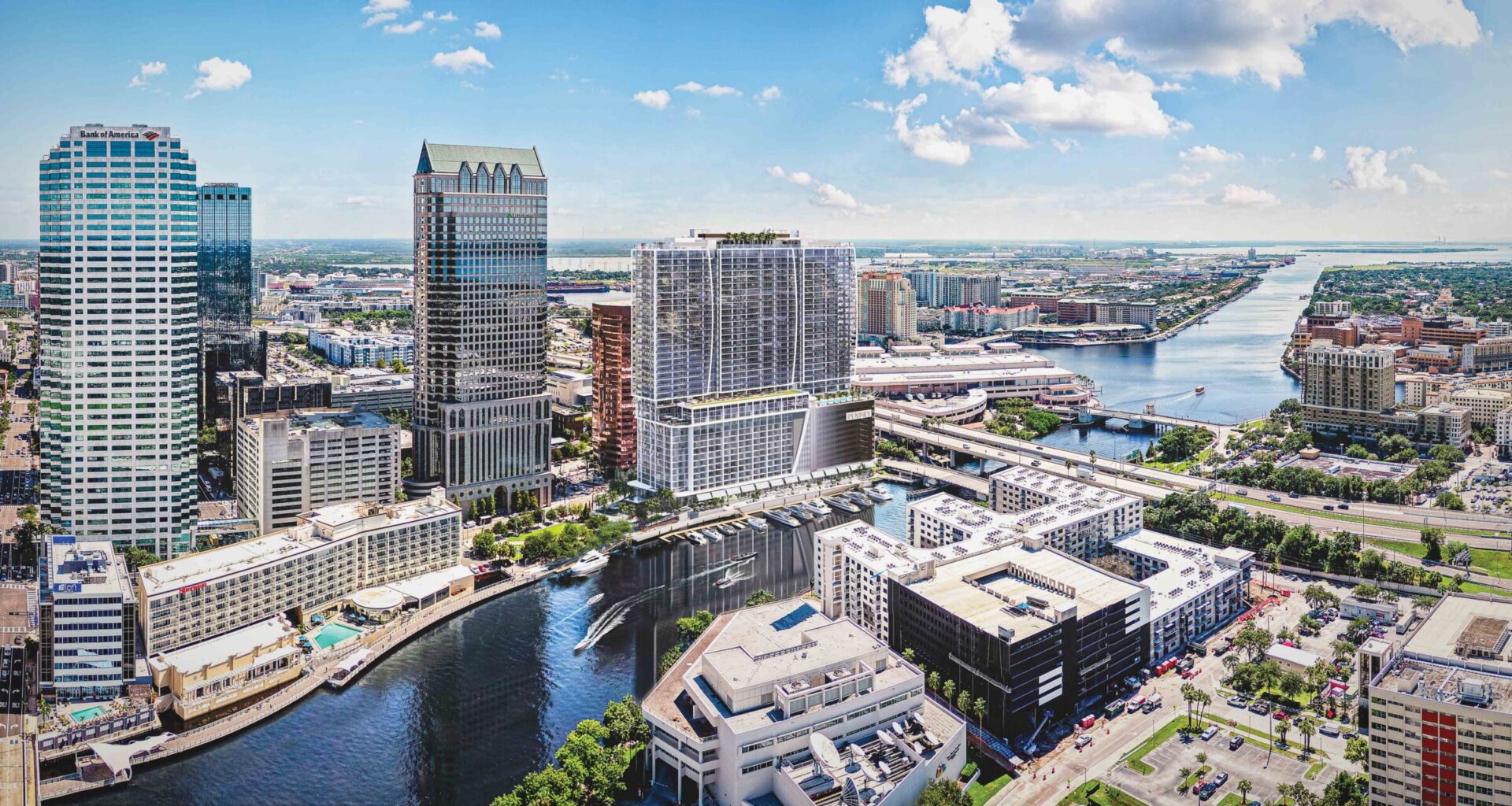
As cranes and construction crews reshape the Tampa Bay skyline, developers and civic leaders are increasingly focused on what comes next. With major projects nearing completion, Tampa faces a new challenge: how to absorb growth without pricing out the people who make the city thrive. The next 10 years will determine whether the city evolves into a connected, walkable urban center or a collection of exclusive addresses.
For longtime residents, the pace of change is impossible to miss. A decade ago, Water Street was little more than gravel parking lots, Westshore south of Gandy Boulevard was industrial, and Armature Works sat dormant along the Hillsborough River. Today, those once-overlooked spaces anchor a city that continues to attract new residents and businesses, raising a central question: What will downtown Tampa look like in 2036?
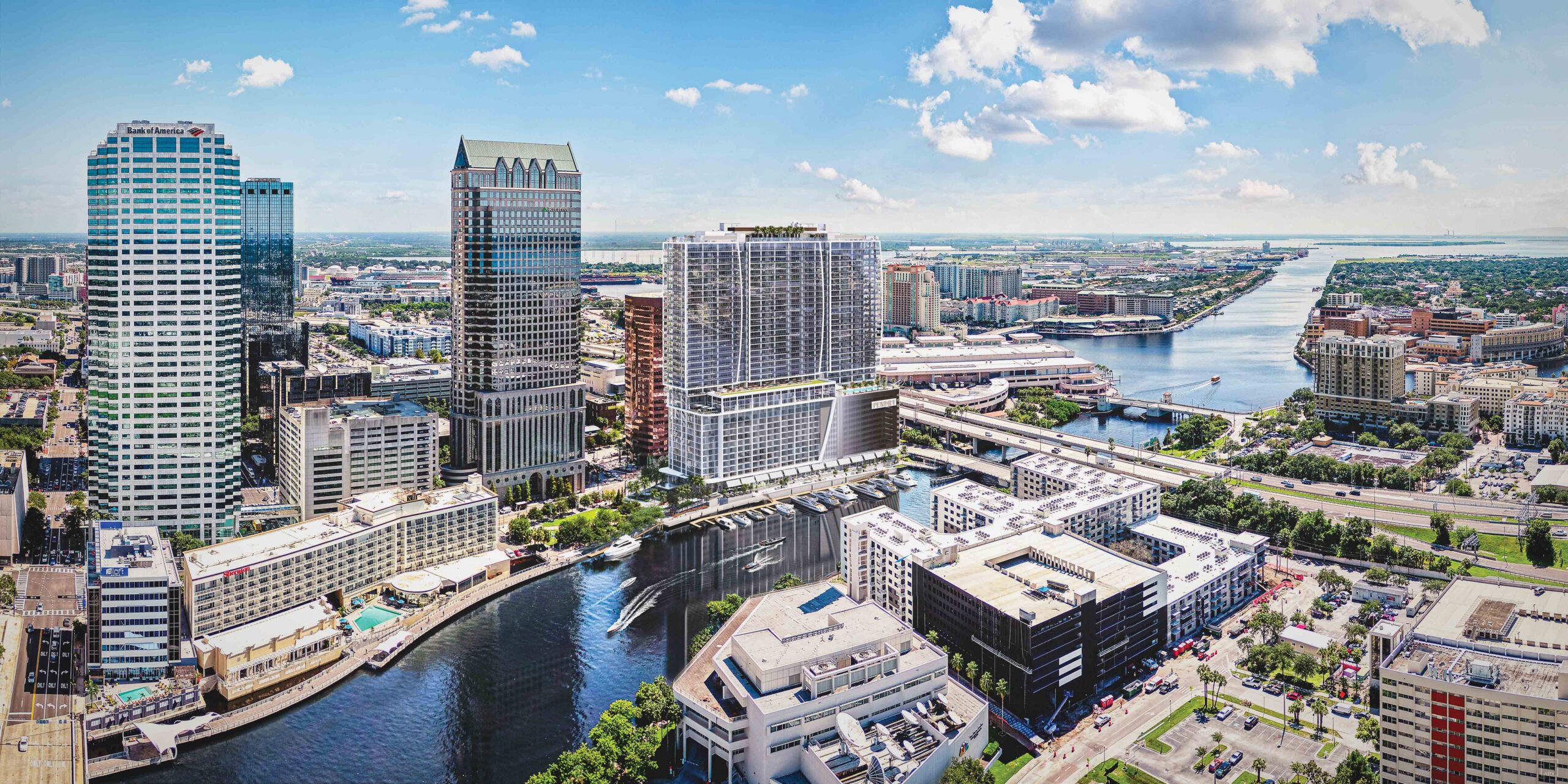 This aerial rendering shows the future Pendry Tampa, a modern luxury destination on the Riverwalk. Once complete, the project will feature 220 hotel rooms, 200 private residences, a rooftop pool, a world-class spa and fitness center and signature dining. (Rendering Courtesy of Two Roads Development)
Growing Pains and the Price of Popularity
Tampa’s popularity is no accident. Fueled by a growing list of accolades, the city has continued to attract a steady influx of new residents, well before the pandemic and long after it subsided.
And while growth is, in many ways, a positive shift—particularly as cities across Florida and beyond struggle to attract visitors and residents—it doesn’t come without consequences. Housing, transportation and affordability now sit at the center of Tampa’s growing pains.
“I think Tampa’s going to be a lot more expensive in 10 years,” says Tyler Hudson, a partner at Gardner, Brewer Hudson who specializes in real estate, land use and business counseling. “If we don’t create more housing opportunities, people’s kids aren’t going to be able to afford to come back here.”
At its core, Hudson says, the issue is supply and demand. Demand continues to rise as people move to Tampa for jobs, lifestyle and quality of life, while supply, particularly housing, has struggled to keep pace. And unlike other challenges cities face, this one has no simple workaround.
“You can’t build a wall around Tampa,” Hudson says. “People are going to keep coming for a while. So we have to figure out what we can do on the supply side.”
Of course, it’s not that easy.
“So much of [development] is about mediating circumstances that are completely outside of your control,” he says. “That’s what makes the next 10 years for Tampa so challenging.”
Without meaningful increases in housing, Hudson warns, the ripple effects will extend far beyond real estate prices. Workers will be pushed farther from the urban core, transportation costs will rise, and young people, particularly millennials and Gen Z, may find themselves priced out of the very neighborhoods they want to call home.
“We can’t create more land,” Hudson says. “Land is what it is. But we can create new neighborhoods.”
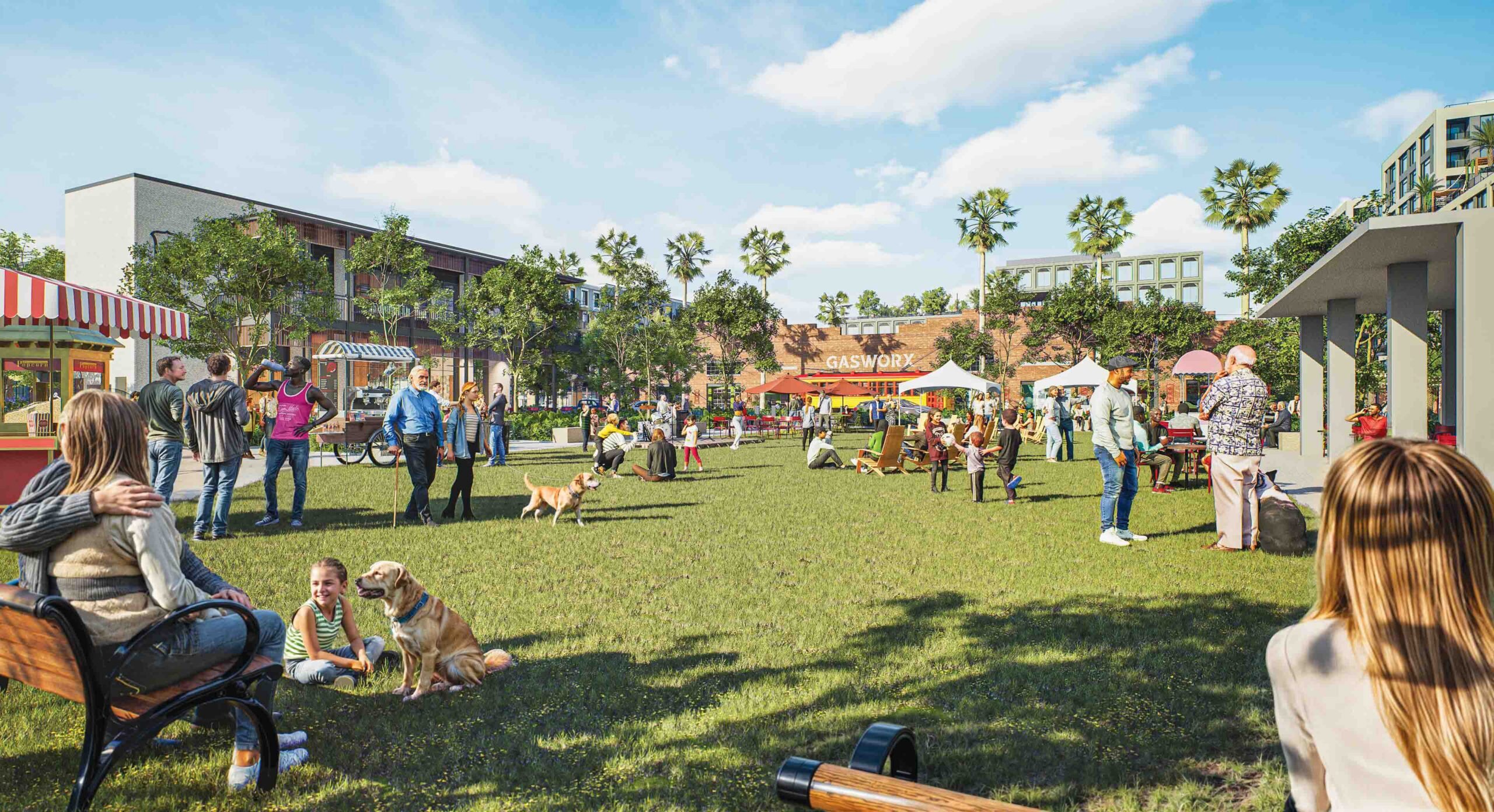 Gasworx Park (Renderings Courtesy of KETTLER)
Stitching the City Together
Gasworx, a 15-block mixed-use development years in the making, is designed to link some of Tampa’s most historically and economically significant districts while reintroducing residential life to an area long defined by nightlife rather than the 24/7 live-work-play environment it was once known for.
“Tampa’s urban core will densify over the next decade,” says Darryl Shaw, developer of Gasworx. “What we’re going to see is the formation of multiple interconnected neighborhoods that are easy to traverse by foot, bike, streetcar and automobile.”
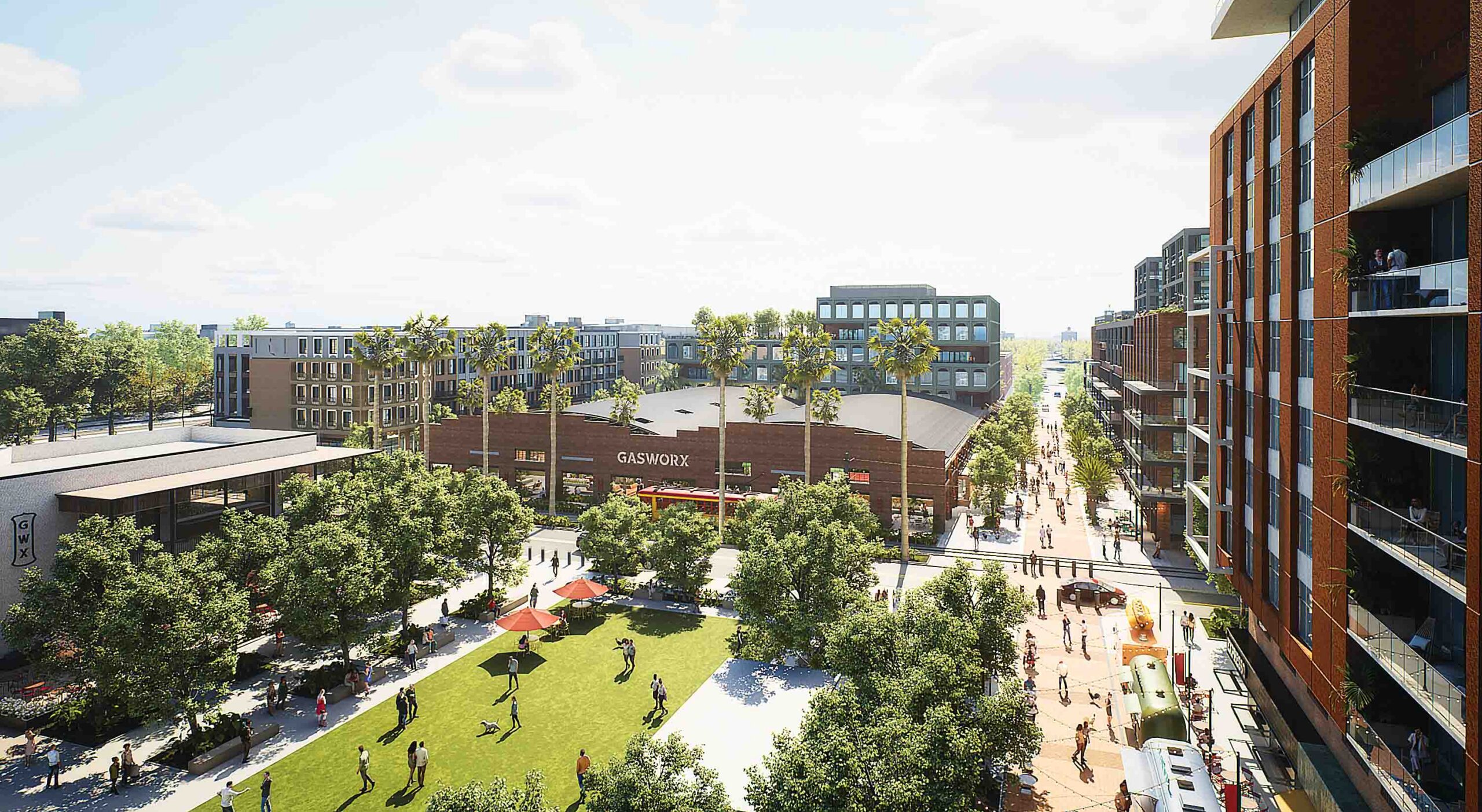 These renderings show proposed plans for Gasworx Park, including a marketplace with dining and offices, and The Stevedore, a multi-family building with ground-floor retail on Nuccio Parkway across from the future park. (Renderings Courtesy of KETTLER)
That idea of connection—physical, cultural and economic—is central to the project’s vision. Designated as a national historic landmark district, Ybor City’s growth has long been constrained by preservation rules that limited residential density. Gasworx occupies a unique position just outside portions of the historic district where taller buildings are possible without overwhelming Ybor’s architectural and historical character.
For James Nozar, president of development at KETTLER, Gasworx represents a missing piece of Tampa’s urban puzzle, one that fills physical gaps while creating a true neighborhood rather than a collection of standalone buildings.
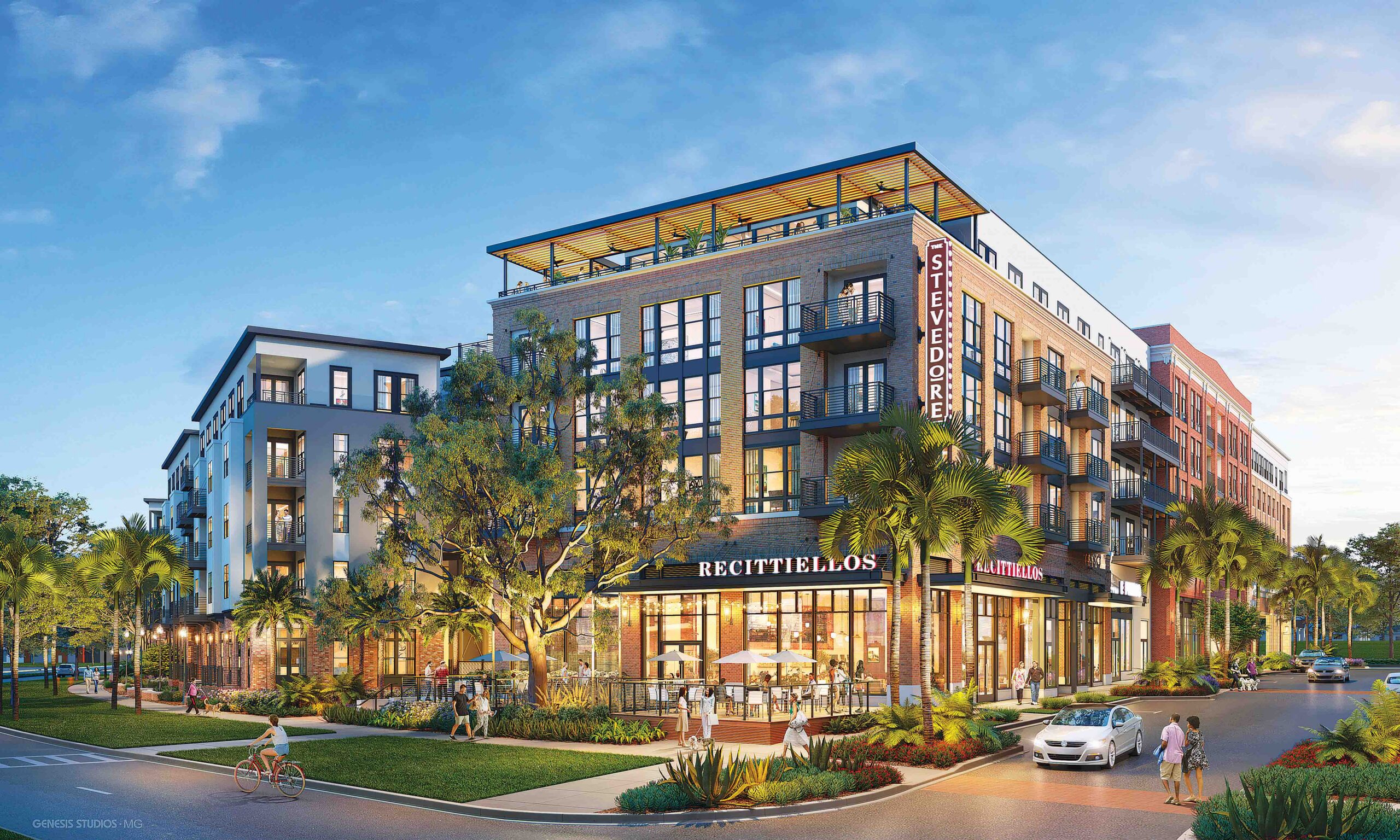 The Stevedore, a multi-family building. (Renderings Courtesy of KETTLER)
With more than 1.5 million square feet completed or under construction and more than 1,200 residential units and retail and office space integrated into the plan, Gasworx aims to connect historically significant districts while creating a true neighborhood
“We’ve come a long way in 10 years,” Nozar says. “I think growth will be exponential over the coming decade, with some of the most impactful additions yet to come.”
Construction at Gasworx is in full swing in 2026 with The Stevedore residential building set to open this year and the district’s signature office tower expected to be completed later in 2026. Work is also underway on the 28,000-square-foot marketplace, slated to open in early 2027, and Gasworx Park, a nearly one-acre green space in front of the marketplace, will also break ground this year.
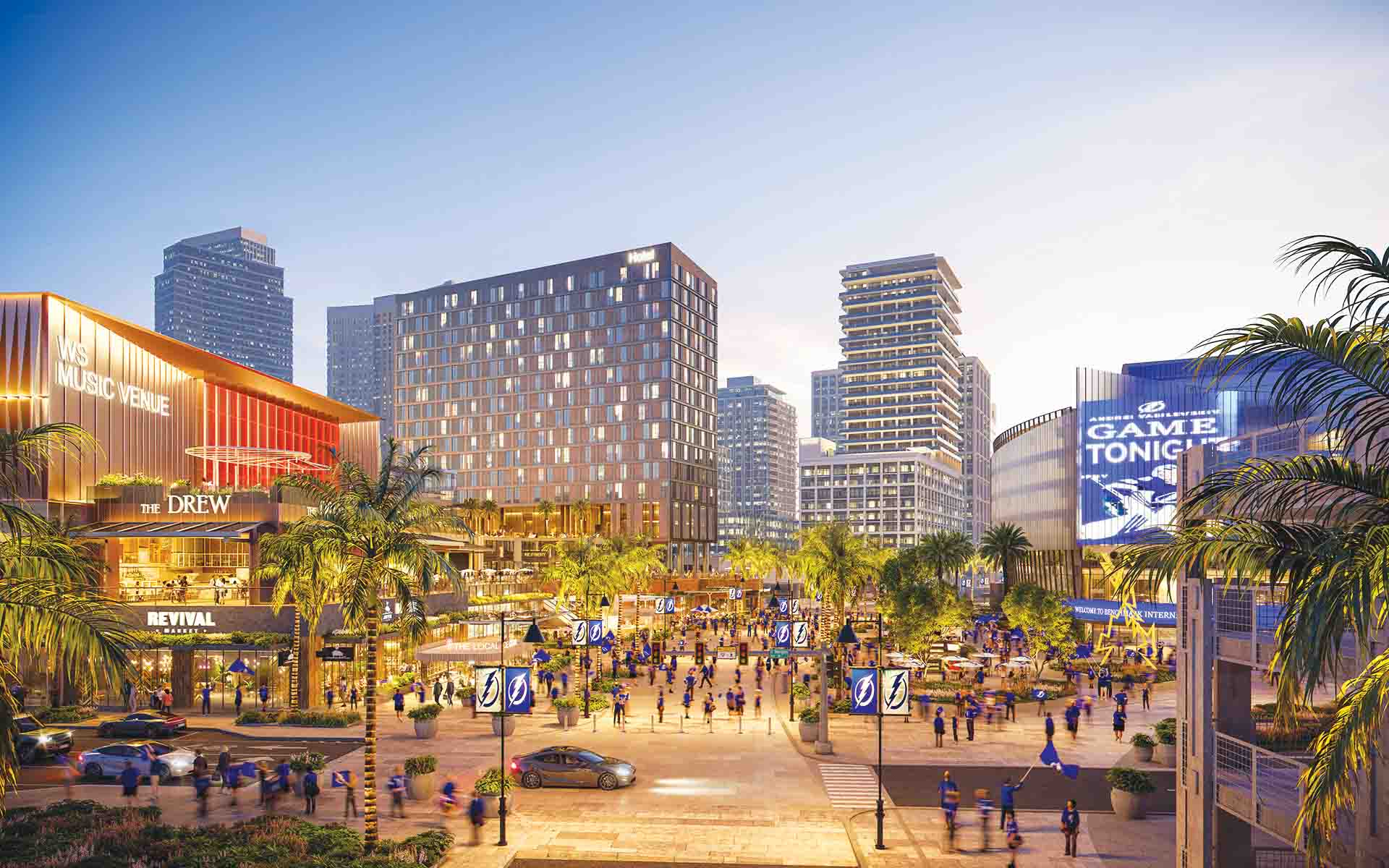 This rendering shows the future entertainment district on Water Street.(Renderings Courtesy of Strategic Property Partners)
Lifestyle and Luxury Downtown
Nowhere is this evolution more visible than at Water Street Tampa, where a once-ambitious vision has become reality.
“A decade ago, Water Street Tampa was just an ambitious idea. Today, that vision has become reality, with 5 million square feet of world-class, mixed-use development forming the foundation of a vibrant neighborhood,” says Josh Taube, CEO of Strategic Property Partners.
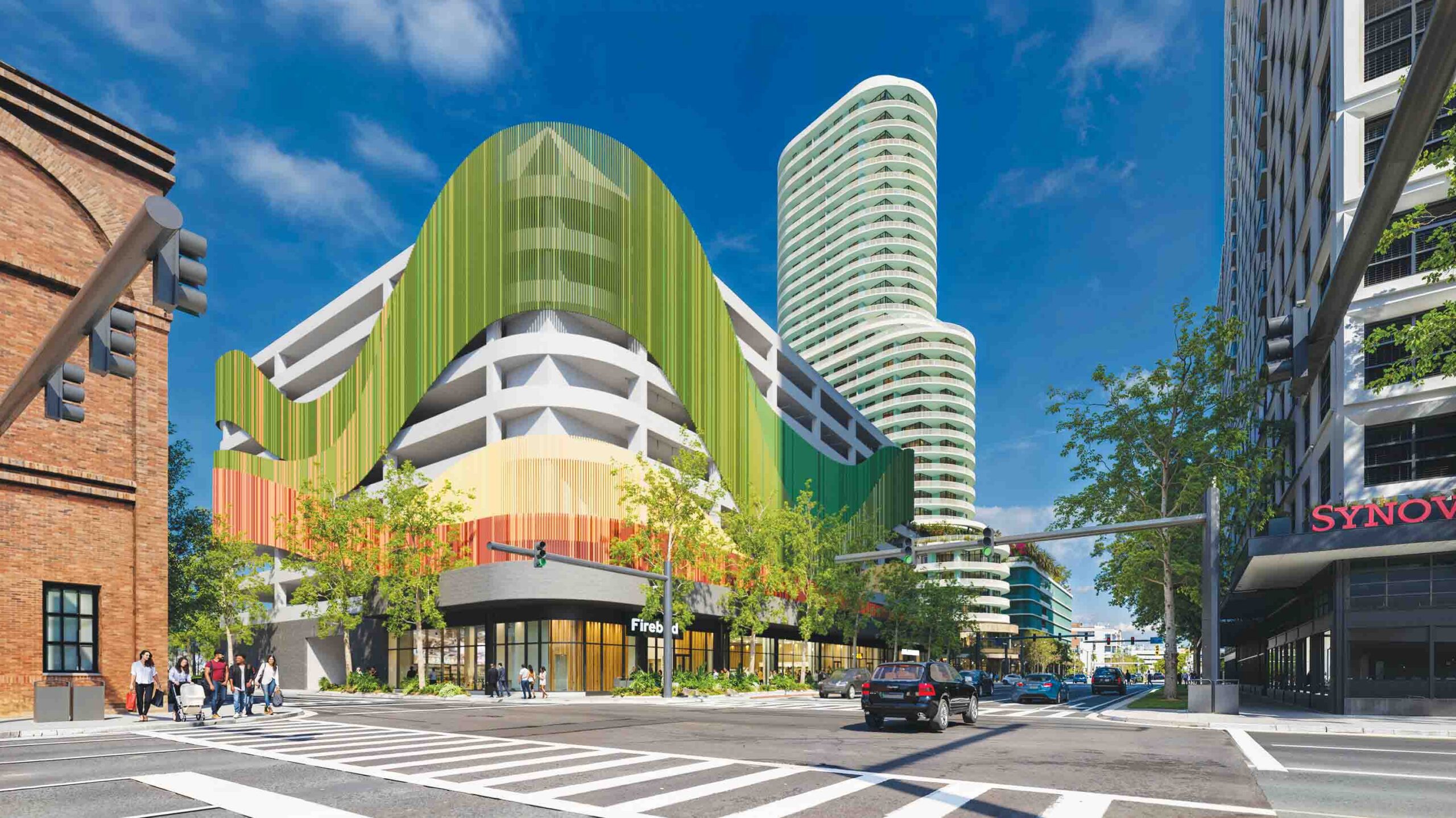 This rendering shows the Cumberland Avenue extension of Water Street. (Renderings Courtesy of Strategic Property Partners)
With plans for a new entertainment district announced in December, Strategic Property Partners’ role in shaping downtown is just beginning.
“Over the next 10 years, we’ll expand north and west, delivering even more dynamic real estate anchored by what makes Water Street exceptional: a diverse mix of uses, a thriving retail core and an active, pedestrian-friendly public realm,” Taube says.
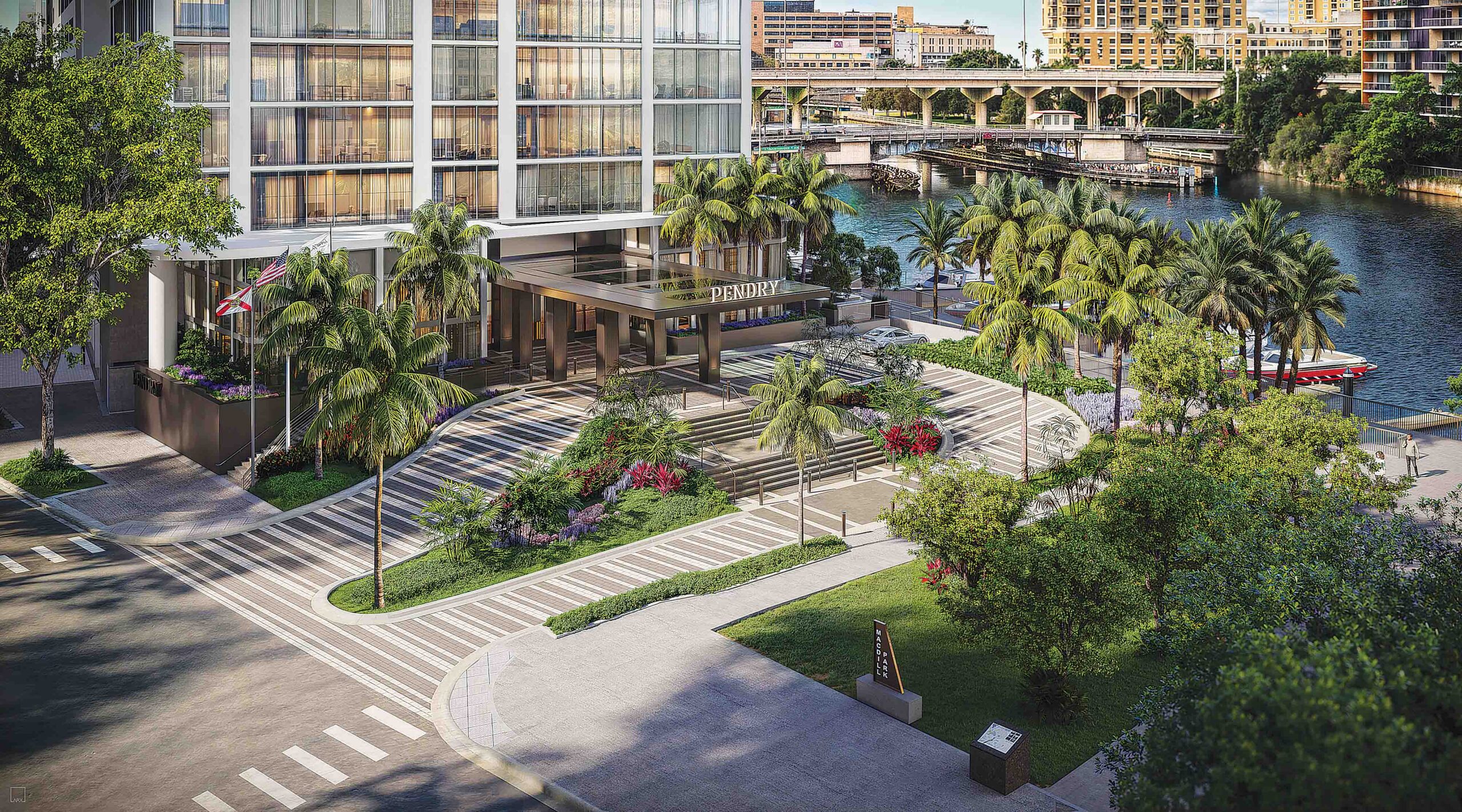 A rendering of the drop-off area at Pendry Tampa. (Renderings Courtesy of Two Roads
Development)
The Rise of the Riverwalk
Pendry Tampa, perched along the Riverwalk, is one of the developments exemplifying this shift. Rooftop views, curated dining and riverfront access are shaping an urban lifestyle that attracts residents seeking vibrancy and experiences.
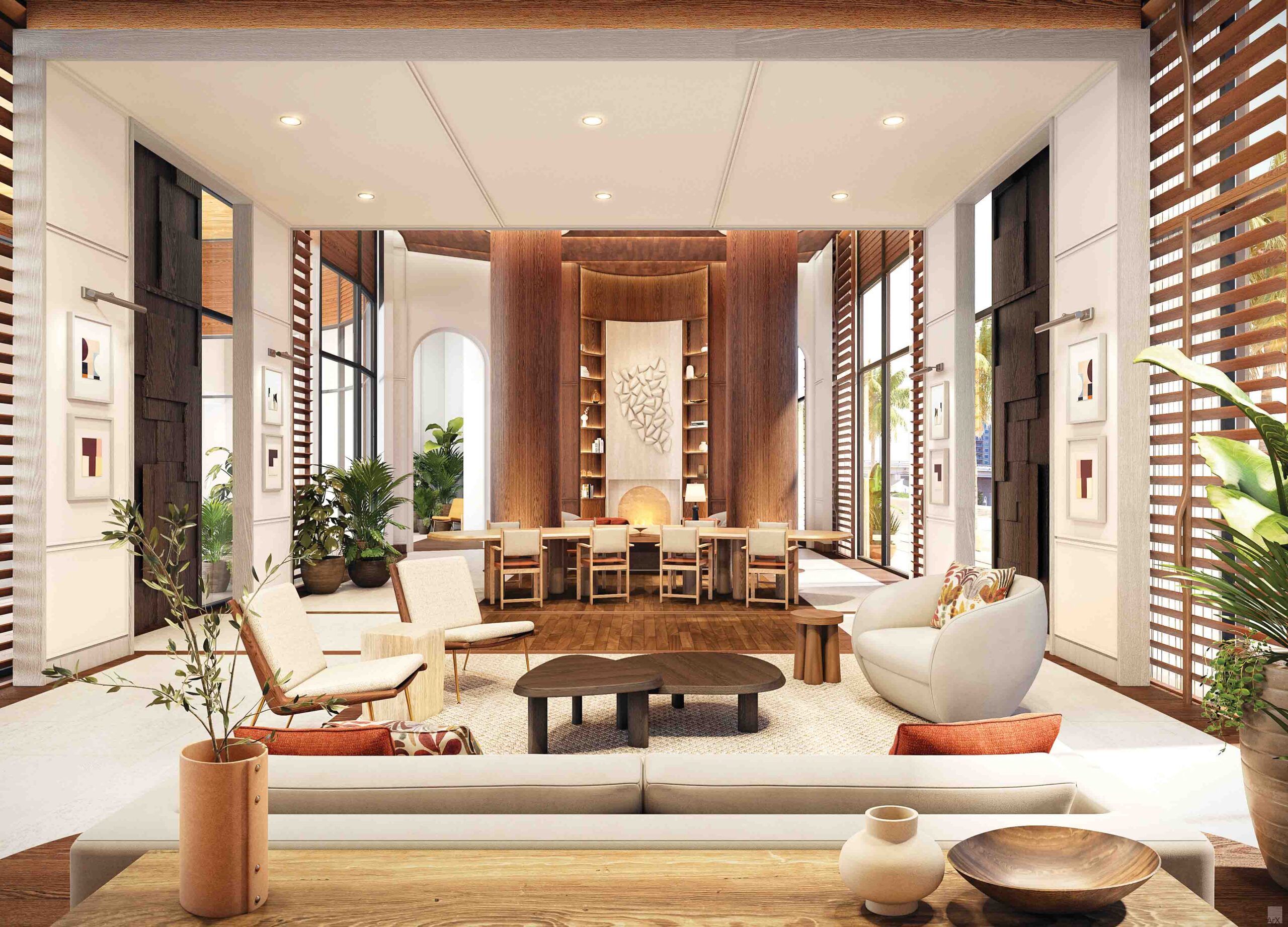 This rendering depicts the South lobby at Pendry. (Renderings Courtesy of Two Roads
Development)
“We build all over South Florida — we’re also in Vegas and the Bahamas — but for me, Tampa is arguably the most livable of any of our cities,” says Reid Boren, managing partner and co-founder of Two Roads Development. “You’ve got this great food scene, this great atmosphere, terrific industry, and it’s really an unbelievable place for people to raise families.”
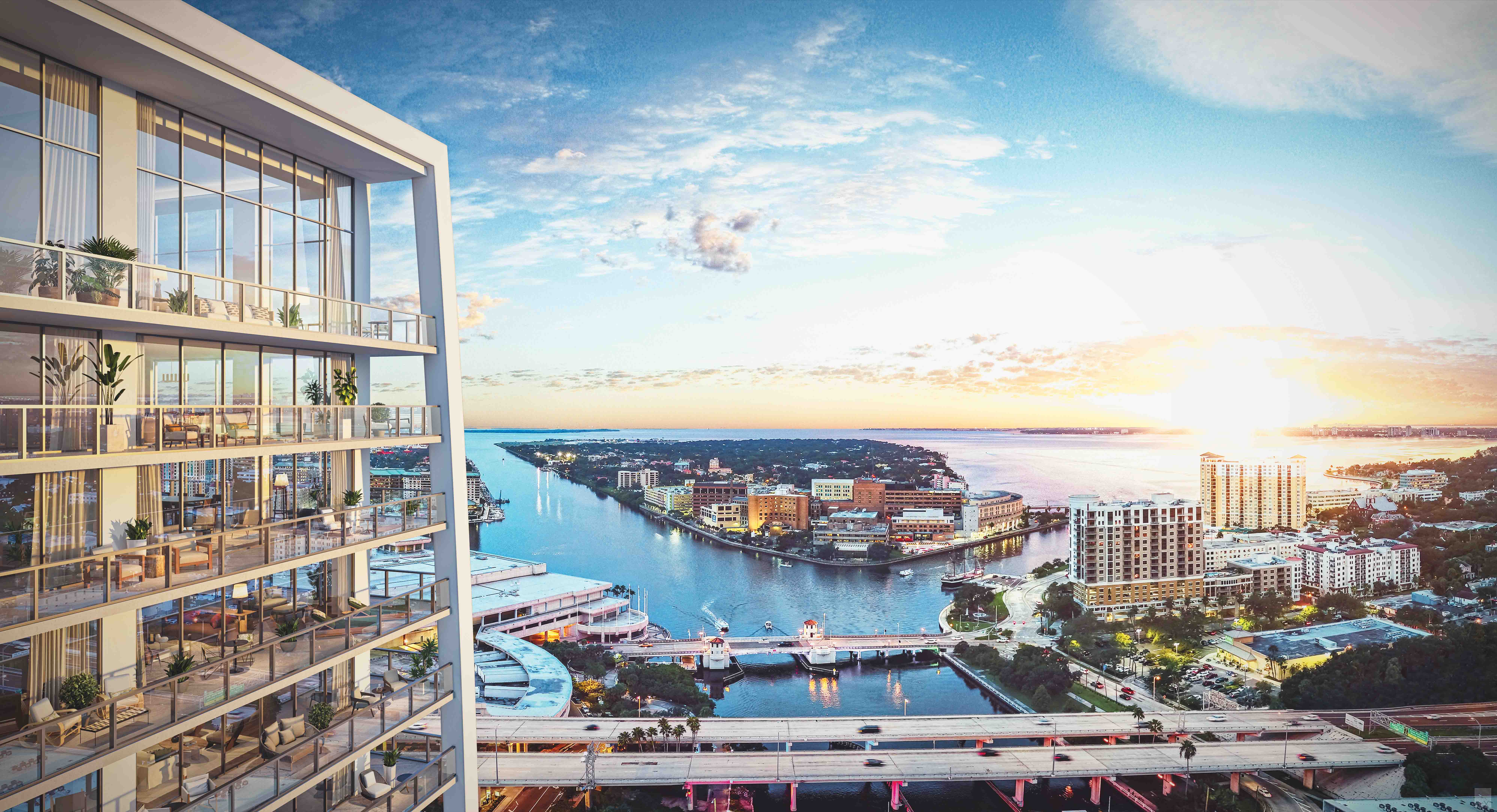 This rendering shows the south balcony view of Pendry Tampa. (Renderings Courtesy of Two Roads
Development)
As the Riverwalk expands and new culinary, cultural and recreational experiences take root, downtown is becoming a space people choose to inhabit, not just pass through.
Completing the Urban Mosaic
Each of these projects is a piece of a larger puzzle. Former mayor Bob Buckhorn notes that success will hinge on solving three critical challenges over the next decade: transportation, equitable access to opportunity and preserving the authenticity that makes Tampa unique.
“Our goal is not to be the next Miami or Atlanta,” he says. “It’s to be the very best Tampa we can be.”
Even as these projects near completion, Tampa’s skyline is far from finished.
“There will always be new developments to come,” Nozar says. “I don’t think we’ll ever see true ‘completion’!”
Check out Tampa Bay’s Business Leaders. Or if you’re looking to advertise with us, click here.