
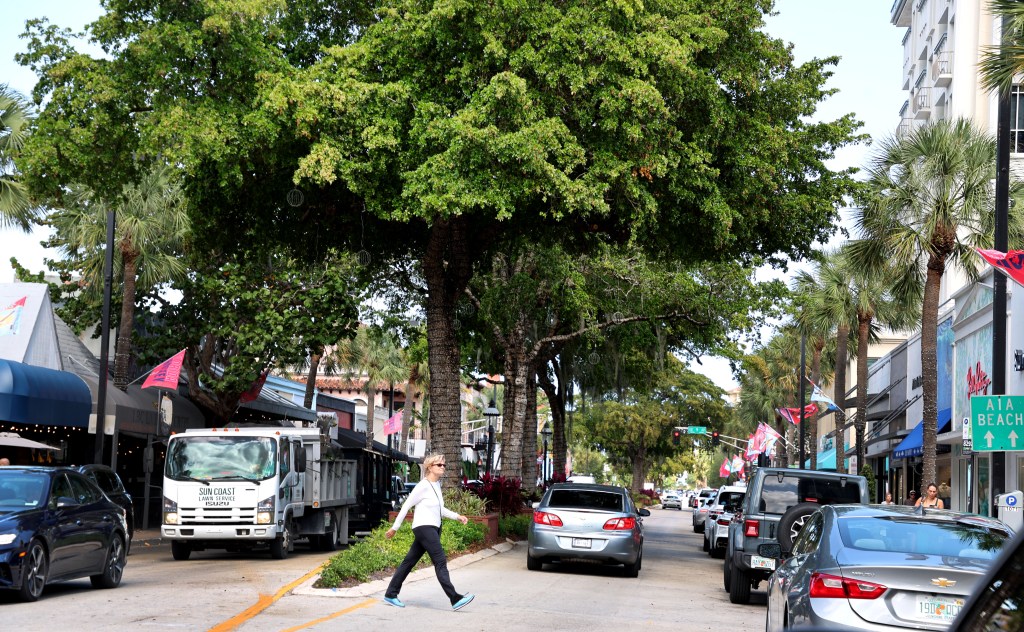
Few places in Fort Lauderdale carry the emotional, historical and civic weight of Las Olas Boulevard. For generations, it has been more than a street. It is our shared front porch, our economic heart, and a symbol of the city’s identity stretching back to the earliest days of modern Fort Lauderdale.
Because of that deep meaning, the current discussion about redesigning the corridor — particularly the loss of the aging black olive trees — has stirred strong and sincere feelings. I share many of them. I, too, feel a sense of loss at seeing elements of an iconic landscape change. And I understand why residents and visitors treasure the familiar character of Las Olas as it exists today.
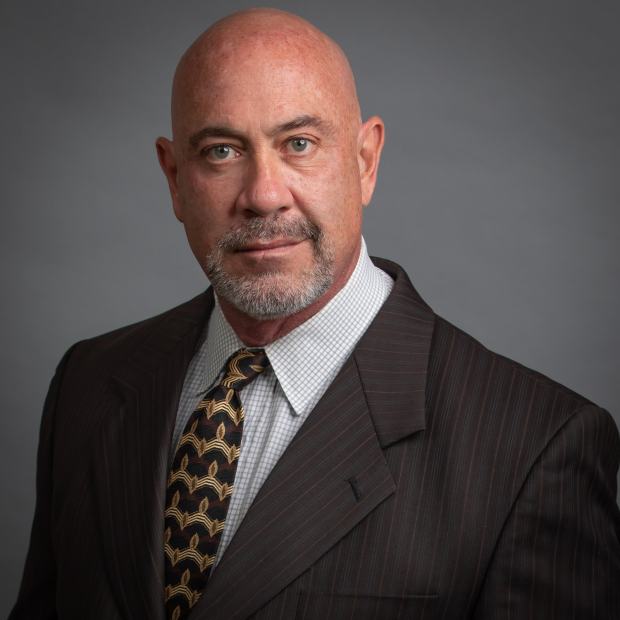 John Herbst is vice mayor of Fort Lauderdale.
But public service often requires holding two truths at once: honoring what we love about the past while ensuring the future works better than the present.
After years of study, design revisions, and more than a hundred public meetings and workshops — arguably the most publicly discussed infrastructure effort in our city in the past two decades — the Fort Lauderdale City Commission faced a decision grounded not in nostalgia, but in stewardship: Do we preserve Las Olas exactly as it is today, or prepare it to thrive for the next 100 years?
The existing corridor, beautiful as it is, faces real challenges. The black olive trees that define the median are in visible decline. Infrastructure beneath the street must be modernized. Pedestrian safety, accessibility, drainage and long-term canopy health all require improvement if Las Olas is to remain competitive with the great walkable districts of other American cities.
Doing nothing is also a decision — and in mature urban districts, it often leads to gradual deterioration rather than preservation.
The adopted plan does not eliminate greenery or erase character. It replaces failing canopy with more than 90 new trees, expands pedestrian space, and modernizes the corridor so residents, businesses and visitors can continue to experience Las Olas as a vibrant, walkable destination. In short, the goal is not to replace Las Olas, but to restore its vitality for the next century.
Reasonable people can disagree about design choices. That is part of healthy civic life. It is also important, however, to recognize the depth of the public process that led us here. Over multiple years, residents, merchants, property owners and community stakeholders were invited — again and again — to shape the outcome. Voices were heard, plans were revised and concerns were incorporated where possible.
At some point, democratic process must lead to democratic decision. Endless deliberation cannot substitute for action, particularly when the long-term health of a signature public place is at stake.
Las Olas belongs to many groups at once.
It belongs to residents who experience it daily and feel its history personally.
It belongs to business and property owners who invested through difficult decades, sustaining the corridor when downtown struggled.
And it belongs to the broader public — present and future — whom the city has a duty to serve responsibly.
Balancing those interests is never simple. But leadership requires choosing the path that best protects the long-term public good, even when that path includes change.
History shows that the places we now call historic often survived because earlier generations were willing to modernize them at the right moment. Preservation and progress are not opposites; when done thoughtfully, they are partners.
My vote reflected that belief.
I did not vote to erase Las Olas — I voted to ensure it remains worthy of the memories, investments and aspirations that generations have placed upon it.
Change, even necessary change, can feel like loss. I respect those who feel that loss today. My hope — and my conviction — is that years from now, when new trees provide shade, sidewalks are safer and more welcoming, and Las Olas continues to thrive as the heart of Fort Lauderdale, we will see this moment not as the end of something cherished, but as the beginning of its next chapter.
Our responsibility is not only to the Las Olas we inherited. It is to the Las Olas we leave behind.
John Herbst is vice mayor of Fort Lauderdale.