
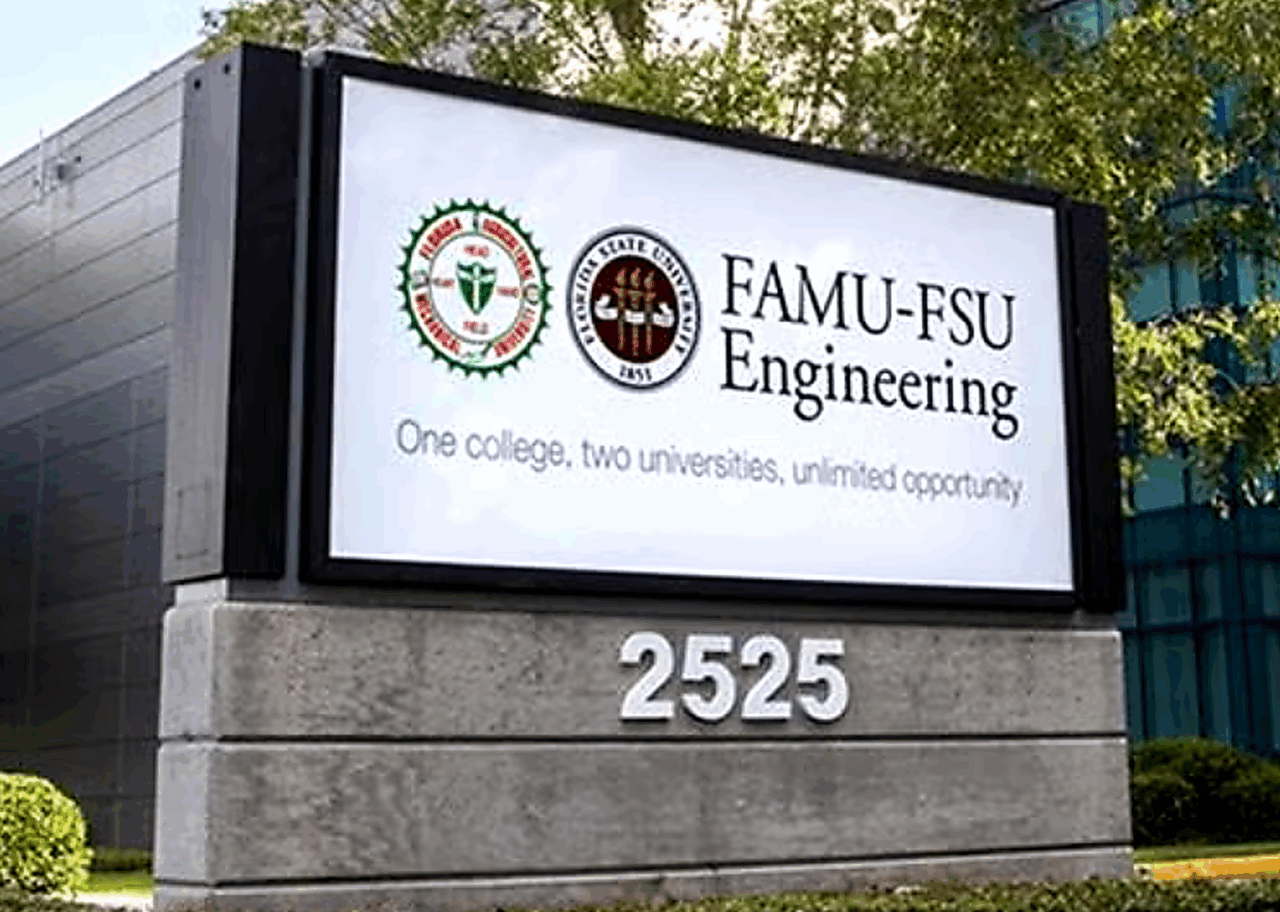
Senate and House lawmakers agreed last year to apportion $40 million for the design and construction of a 164,000-square-foot engineering building at the FAMU-FSU College of Engineering.
This year, they’re nearly twice that sum apart on how much more to provide to the project.
In its budget proposal for Fiscal Year 2026-27, released Thursday, the House is recommending $91.975 million more for the planned building, which would add engineering research labs and classroom space to support enrollment growth and reduce overcrowding at the joint campus.
That’s exactly the amount Tallahassee Republican Sen. Corey Simon and Merritt Island Republican Rep. Tyler Sirois sought in matching appropriation requests.
The Senate’s offer? A comparatively paltry $20 million.

That $72 million funding gap is among the largest, if not the largest, appropriation differences in line items that appear in both budgets. And it suggests that while the House is eager to fund most or all the project immediately, the Senate is keener on funding it in phases.
Calls for a new building at the Tallahassee campus, dubbed “Building C,” began in 2002, but declining enrollment and project costs at the time led to it gaining little traction.
In 2017, then-Dean J. Murray Gibson again pitched the project to the Board of Governors, citing the school’s 2,550 students and expectations of further growth in the coming years.
An education grant survey for the Board of Governors that year found that, based on the college’s enrollment then, its 117,089 usable square feet met just 53% of its current student body’s needs.
More than eight years later, the school still doesn’t have the building, and its population has grown to more than 3,700 students, following 48% and 22% increases in graduate and undergraduate enrollment, respectively, since 2021.

“This project will improve the quality of education. It will serve 6 critical engineering disciplines that are all of strategic importance within the STEM field,” Simon’s appropriation request said. “Engineering is critical for startup, job creation, and the health of the State economy. This investment will pay off by allowing high-quality entrepreneurial students to positively impact the economy.”