

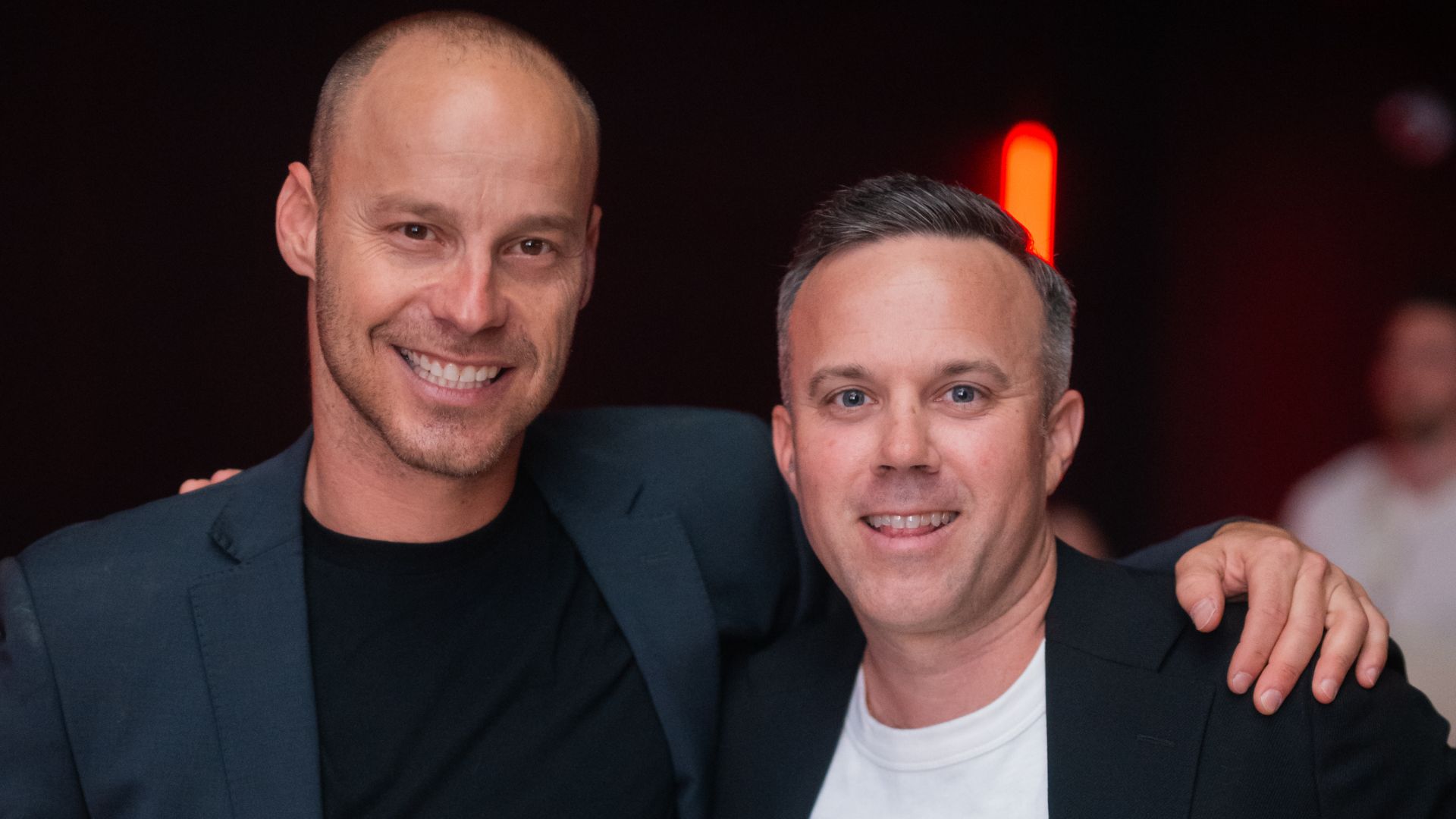
Jeremy Waks and Eric Fuller are answering a long-standing need for a serious indoor venue.
Midline photo.
Editor’s Note: This profile is part of New Times’ People to Watch issue, spotlighting figures we expect to make a big impact in Miami in 2026.
If there is a heroic endeavor to face in 2026, it’s opening a state-of-the-art music venue in the middle of Wynwood. It’s a risky, capital-intensive, and often thankless task — yet one Miami’s music community has been quietly hoping someone would take on. With Midline, Eric Fuller and Jeremy Waks are doing exactly that, answering a long-standing need for a serious indoor venue designed for touring artists and discerning audiences alike.
Recently opened in January 2026, Midline is a purpose-built, 1,200-capacity concert venue designed from the ground up, located right next to the Arlo Hotel. In a city where mid-size indoor rooms have steadily disappeared, Fuller and Waks saw both a challenge and an opportunity.
“We really felt the gap,” Fuller says in conversation with New Times. After years of operating venues and booking tours across Florida, the pattern was clear: artists would play Orlando or Tampa, then skip Miami altogether. “You go from very small rooms straight to the Fillmore, and that leaves a lot of artists with nowhere to land.”
Both founders come to Midline with deep, complementary resumes. Waks, a Miami native, has spent more than two decades shaping the city’s nightlife and dance music culture, from Heathrow Lounge to Treehouse, the beloved Miami Beach venue that ran for 12 years and helped define the city’s underground house scene. Fuller’s background spans national touring, large-scale production, and ownership stakes in some of Florida’s most influential venues, including a role in the evolution of Club Space.
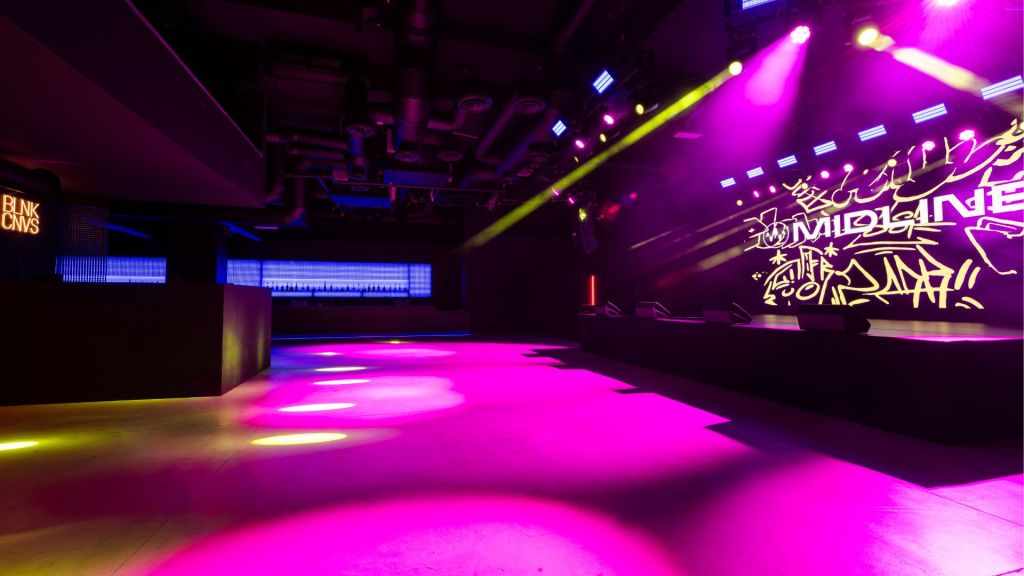 Unlike many venues in Miami, and the ones the pair previously owned, Midline isn’t a second-generation retrofit.
Their partnership isn’t new. The two already co-own and operate Celine in Orlando, a multi-genre venue that helped clarify what Midline could be. “We’ve always had pretty eclectic taste,” Waks says. “That’s really reflected here. Midline is multi-genre by design.”
Unlike many venues in Miami, and the ones the pair previously owned, Midline isn’t a second-generation retrofit. It was built from a cold gray shell, a process that required years of planning, special city approvals, and extensive design work. Anybody who had to pull permits for any kind of buildout in Miami can relate to the struggle. That level of difficulty was also its greatest advantage.
“Building it from scratch let us fix things we knew were pain points,” Waks explains. Extra bathrooms. Heavy-duty HVAC. A layout that prioritizes sightlines and flow. And perhaps most importantly, sound.
Fuller estimates that close to $800,000 was invested in acoustic treatment alone. “It was a huge challenge,” he says, particularly with a hotel next door. “But the room sounds incredible. You can’t hear it from the street, you can’t hear it in the hotel, and inside, it’s clear and crisp.”
That attention to detail is intentional. Midline is meant to be a true hard-ticket venue, open to a wide range of promoters and artists across genres, as long as there’s an audience. “If it sells tickets and people care, we want it in the room,” Fuller says.
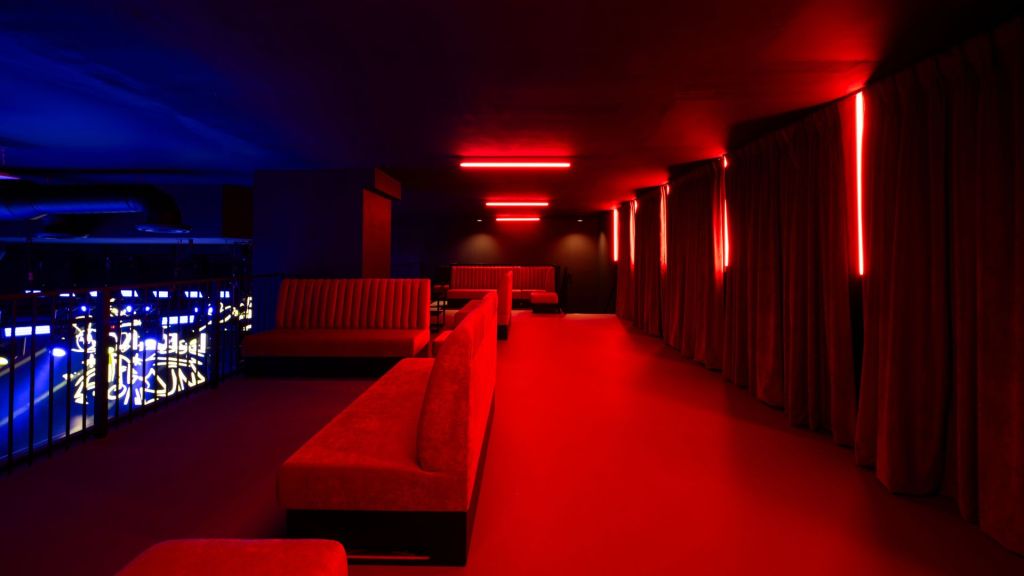 Midline is meant to be a true hard-ticket venue, open to a wide range of promoters and artists across genres.
Programming is King
The early lineup reflects that philosophy. From live electronic acts and indie artists to reggae legends and genre-blurring newcomers, Midline’s calendar is deliberately wide-ranging. During Miami Music Week alone, the venue will host artists making their Miami debuts alongside established touring names. Upcoming acts include Inner Circle, Seven Lions, Lexa Gates, and others.
“What excites me is seeing people surprised,” Fuller says. “Like, ‘I never thought I’d see this band in an intimate setting in Miami.’ That’s the win.”
For Waks, it’s about longevity as much as buzz. “We want this to be a room that artists trust and audiences return to,” he says. “Not just for one genre, but for the full spectrum of live music.”
Opening a venue of this scale in Wynwood — amid rising rents, evolving zoning, and a rapidly changing neighborhood — is no small bet. Both founders are candid about the challenges, from permitting to construction timelines. But they’re equally confident that Miami is ready.
“Midline isn’t just about one venue,” Fuller says. “It’s about making Miami a real stop again on national and international tours.”
As Miami continues to carve its place in the national entertainment radar, Midline represents something increasingly rare: infrastructure built for the long term. For that reason alone, Eric Fuller and Jeremy Waks are people to watch in 2026.