
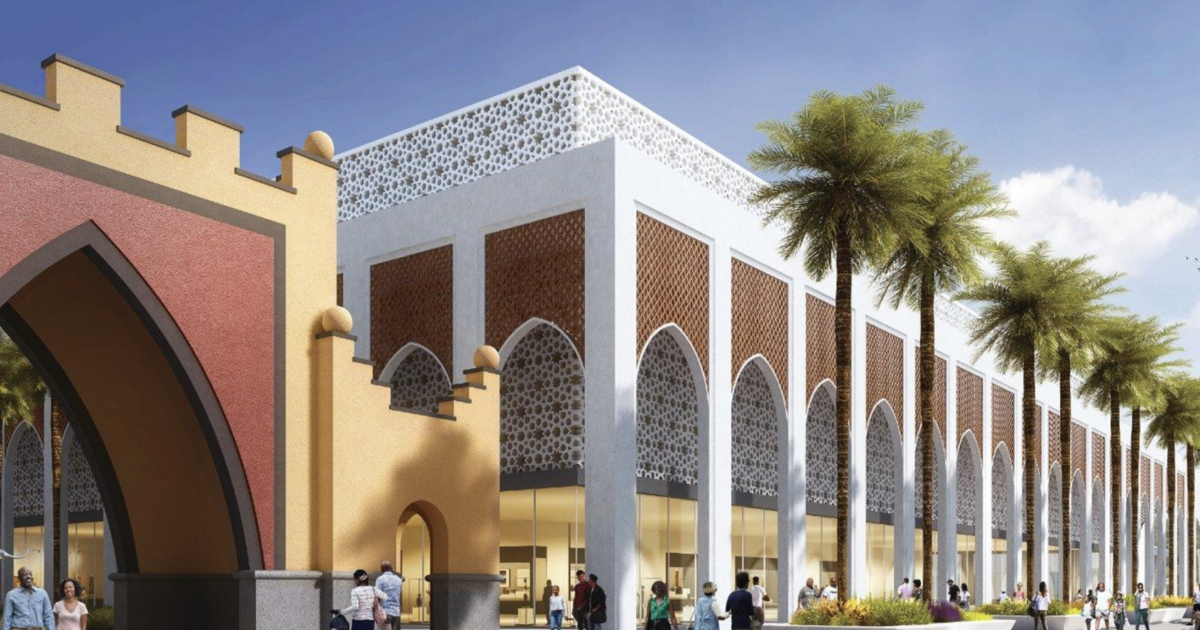
The Florida Museum of Black History is more than a project. It is a generational decision about where Florida will anchor the preservation of our story.
In South Florida, that place is Opa-locka.
Opa-locka is not offering symbolism. It is offering readiness. In response to the Legislature’s directive, a full South Florida Location Feasibility Study was completed. That study evaluated infrastructure, transportation access, governance capacity, development readiness, and long-term financial sustainability. It was not about preference. It was about preparation.
That preparation matters.
A statewide museum is an economic driver. It generates sustained tourism, small business activity, hospitality revenue, and permanent jobs, from curators and archivists to educators and administrators. It attracts conferences, school tours, and cultural programming year-round. It strengthens surrounding corridors and stimulates responsible investment.
This is economic development rooted in culture.
It is also an educational investment. A permanent Florida Museum of Black History in Opa-locka would serve as a living classroom for students across Miami-Dade and throughout the state. It creates partnerships with public schools, universities, historians, and artists. It ensures that Florida’s Black history, from freedom communities to civil rights leadership to contemporary excellence, is documented, preserved, and taught.
And it is about place.
Opa-locka is a historically Black city, strategically located in the heart of Miami-Dade County, accessible by Tri-Rail, major highways, and Miami International Airport. It sits within one of the most diverse regions in the nation. The museum would not stand alone; it would be part of a cultural ecosystem.
The feasibility work has been completed. The planning has been done. The case has been made.
Now the moment belongs to the community.
If we believe this museum belongs in a prepared, accessible, historically rooted Black city, we must say so.
We call on:
• Community leaders and clergy to publicly voice support.
• Educators and parents to advocate for this living classroom.
• Business owners to recognize the economic opportunity.
• Residents to contact members of the South Florida legislative delegation.
• Readers to write letters, make calls, and show up.
This is not a time for quiet agreement. It is a time for visible support.
The Florida Museum of Black History will be placed somewhere. The question is whether we allow the decision to move forward without our collective voice, or whether we stand behind a site that has done the work.
Opa-locka is ready.
Now we must be ready, too.
Dr. Willie F. Logan is the President and CEO of Ten North Group, specializing in affordable housing development and community building. With a background in public service, he held positions in the Florida House of Representatives and served as mayor of the City of Opa-locka. Dr. Logan holds a Ph.D. in Community Economic Development, an MBA, and a Bachelor’s in Accounting. He is an adjunct faculty member at the University of Miami’s School of Architecture and a renowned speaker at housing and community development conferences worldwide. Dr. Logan serves as an ambassador of the African Culture Fund, a Pan-African organization registered in the Republic of Mali. Additionally, Dr. Logan fulfills the role of ambassador to the Foundation Festival sur le Niger, situated in Ségou, Mali. Furthermore, he has been bestowed with the honor of serving as the Ambassador to the Americas for the Museum of Black Civilizations, located in Dakar, Senegal. His contributions extend to literature with a chapter in the book “Shifting from Objects to Places.

(Ten North Group)