
Seventy-five percent of seniors in the U.S. want to age in the comfort of their own homes, but maintaining that independence isn’t easy.
The cost of living has skyrocketed about 25% in the last six years, and research from the University of Michigan Institute for Healthcare Policy and Innovation found that more than half of older adults have not taken steps to continue living in their homes — such as installing a walk-in shower or moving their bedroom to the first floor.
Even for those who prepare for the years ahead, unexpected life events can disrupt their carefully crafted plans. Hospitalization takes a major emotional, physical and financial toll on those 65 and older and often makes it harder for them to return to life as they know it; studies show it can lead to increased mobility challenges and anxiety levels. The impact can grow with readmissions, which are common. Around 20% of seniors return to the hospital within a month even if their first visit to the emergency room wasn’t for a life-threatening problem.
This National Senior Independence Month, it’s imperative that older adults understand the risks of hospitalization and how to minimize the potentially life-altering effects.
Emergencies are unpredictable but how you respond to them doesn’t have to be. Communicate with your friends and family about who can serve as a temporary caregiver if you’re ever recovering from a hospital stay. By deciding who can complete necessary tasks — like buying groceries or prescriptions — you can focus on getting better.
Continue this proactive approach by reducing obstacles in your home. Secure any rugs, add grab bars to your bathroom and organize your cabinets so that items you regularly use are on lower shelves. With the CDC estimating that about 3 million seniors land in the emergency room every year due to falls, these simple changes can help keep you safe during what can be a vulnerable time.
Once you’re back home, make exercise a priority. Dedicate time every day for physical activity that’s appropriate for your recovery — whether it’s tai chi, shoulder rolls or walking in place — and gradually build up your routine. By making a promise to yourself to stay active, you’re building a stronger and brighter future; research indicates that exercise can reduce your chances of developing mobility issues post-discharge.
Senior Resource Alliance — which operates in Orange, Osceola, Seminole and Brevard counties — is doing its part to help older adults stay independent by preventing unnecessary readmissions through a partnership with AdventHealth in Central Florida. We connect people who have chronic health disease and have left the hospital to a network of resources, including food delivery, transportations services, medication reminders and light housekeeping assistance. 94% of participants did not have to return to the hospital during the 30-day intervention period.
The success of this program underscores the need to develop a plan that’s both personalized and actionable. Identify a support system that you can rely on, understand how to address your needs and take charge of your senior years.
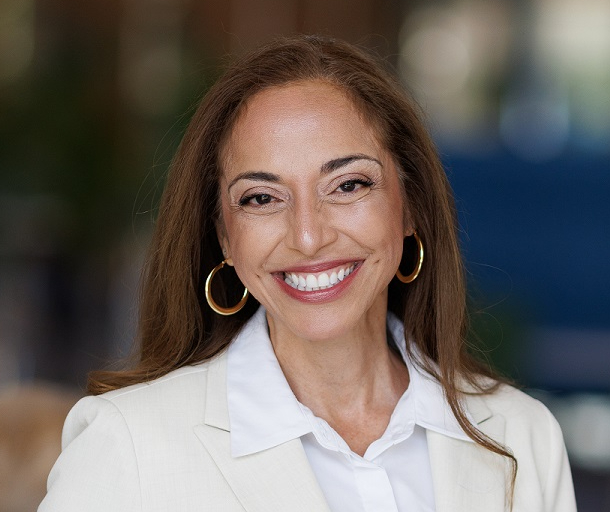
Karla Radka is the president and CEO of Senior Resource Alliance. Dial its Elder Helpline at 407-514-1800 to get connected to multiple programs — like caregiving services, evidence-based fall prevention courses, chronic disease management workshops and tai chi classes — all at no cost.