
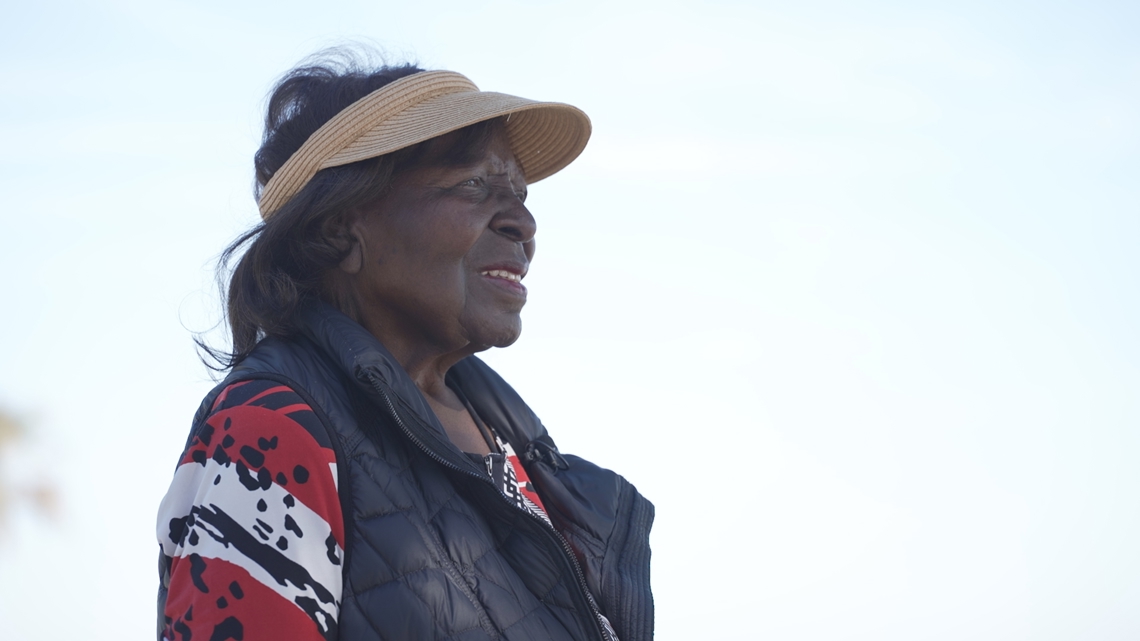
Betty Harden’s 1958 visit to St. Pete’s Spa Beach as a Black teenager pushed the city to follow federal orders to integrate pools and beaches.
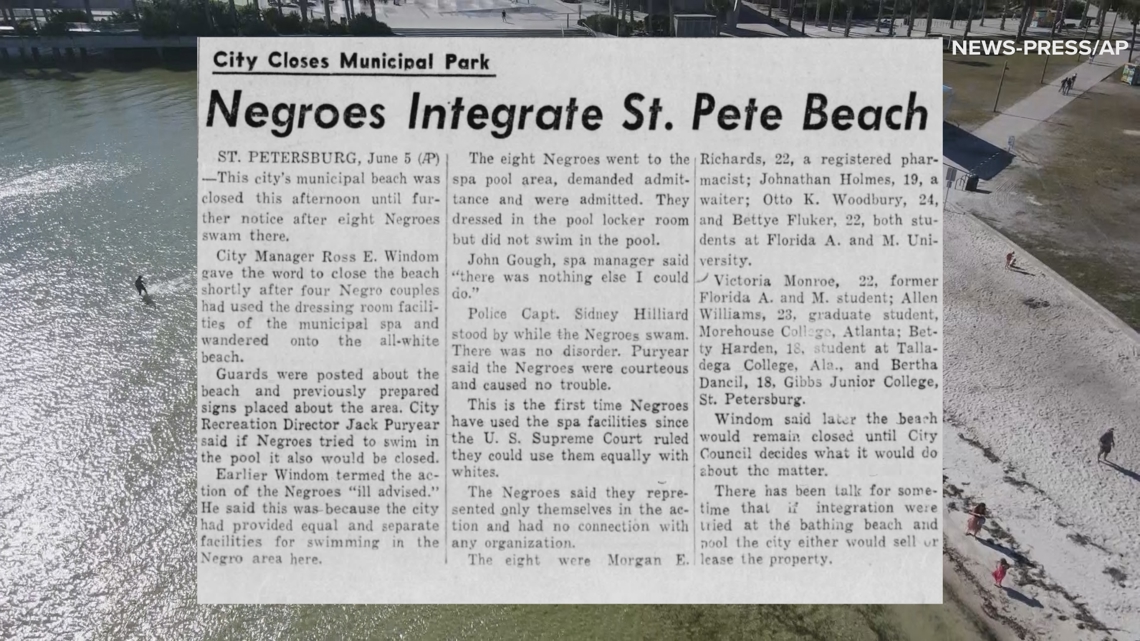
SAINT PETERSBURG, Fla. — When Betty Harden agreed to a beach trip with friends nearly 70 years ago, she didn’t realize it would end with cameras, reporters and the city closing all of Spa Beach in downtown St. Petersburg simply because they were Black.
At that time, the beaches and pools in St. Petersburg were still segregated by race. If you were Black, you were not allowed to visit the whites-only Pier or Spa Beach. African Americans were relegated to South Mole Beach near the city’s sewage plant. Today, the area is known as Demens Landing.
“When we talked about going to the beach, I thought that’s where we were going,” Harden said.
But in June 1958, when she got in a car with friends, she ended up at Spa Beach instead. Soon after the group’s arrival, reporters and cameras surrounded the young adults as they sat on the sand, exercising a new court-given right.

RELATED: Take Me to the Water: Florida’s fight to desegregate pools and beaches
Back in 1955, famed Hillsborough NAACP President Francisco Rodriguez Jr. filed a federal lawsuit in Tampa on behalf of a group of local civil rights leaders in St. Petersburg, including Dr. Fred Alsup and Ralph Wimbish. The suit asked the court for “a judgment declaratory of the rights and other legal relations of the plaintiffs and all other Negroes who desire to use swimming and bathing facilities in the municipality of St. Petersburg, Florida…”
A federal judge ruled on behalf of the plaintiffs, but the city appealed until the case reached the Supreme Court. In April 1957, justices declined the case, affirming orders of lower courts to integrate pools and beaches.
“But this is Florida, right? So, we don’t really listen to the federal government sometimes, and we ignore the order,” St. Petersburg Museum of History Executive Director Rui Farias said.

After Harden and her friends’ visit to Spa Beach, St. Petersburg City Manager Ross Windom closed the beach entirely.
A few days later, 19-year-old David Isom tried to swim at the nearby Spa Pool. The city closed the facility shortly thereafter.
“You have an area that is…surrounded by water, and just the thought that you have a part of your population that’s not permitted to enjoy…that Florida dream is just mind-blowing,” Farias said.
For Gwendolyn Reese, African American Heritage Association President, it’s also disheartening that despite the multimillion-dollar renovations of the Pier and nearby Spa Beach, there is nothing to memorialize the push to desegregate the space.
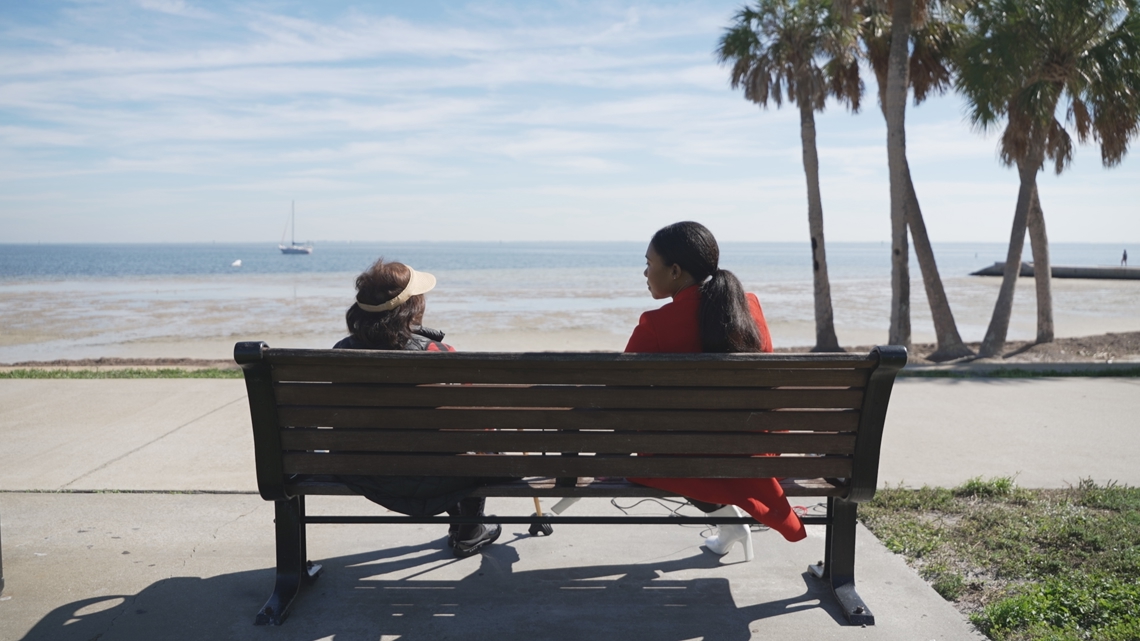
Reese spoke to 10 Investigates at Demens Landing, where the city erected a police memorial along the water to honor first responders. She said she would love to see a similar effort for those who resisted beach and pool segregation in the city.

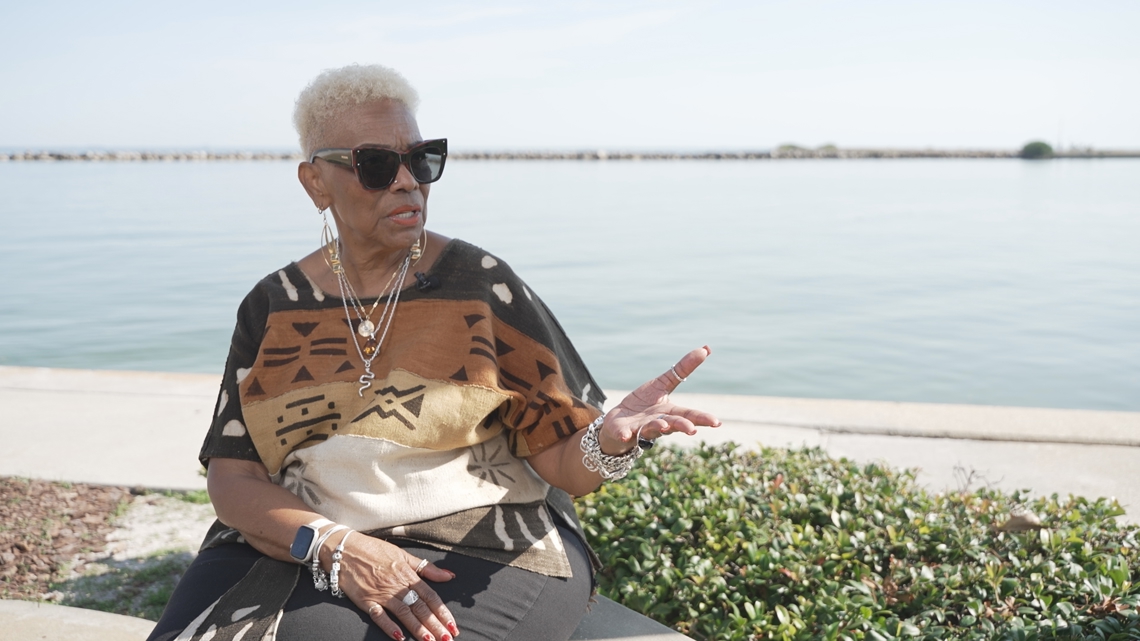
“I think Betty would be the perfect person to make a suggestion, but if nothing else, a bronze plaque, not just with words — and we see how beautiful tributes can be made to those who actively waded into that water to desegregate spa beach and the pool,” she said. “If we don’t capture it in markers, in art, in stories being sure they’re told, they will be totally lost in just a couple of generations. They’re almost lost now.”
Farias agrees.
“When you talk about African American history, it’s always, you know, the issue of slavery or it’s always…the struggle of civil rights, which has to be shared, I agree, but let’s talk about some of the victories,” he said. “I think that there needs to be something, whether it’s a plaque, a marker, a historical marker or something like that, that shares the fact that… these were teenage kids, right, that went into the water and helped change our history here, so let’s talk about them for a change.”
It’s a discussion Reese hopes the community will support.
“These stories are not meant to cause shame. They’re not meant to cause embarrassment. They’re not meant to create division or hatred or anything else. They’re just meant to tell the stories of the people, their lives, the struggles they went through, the accomplishments, the successes — and we’re still here.”
Harden, who is now 86 years old, says she had not given much thought to the impact of her 1958 visit to Spa Beach, but hindsight gives her a different perspective. “I had not considered myself a history maker,” she said. “But looking back, I think that I have been.”
To learn more about Florida’s fight to integrate beaches and pools beyond St. Petersburg, check out 10 Investigates’ in-depth story, “Take Me to the Water.”
Emerald Morrow is an investigative reporter with 10 Tampa Bay News. Like her on Facebook and follow her on X. You can also email her at emorrow@10tampabay.com.