
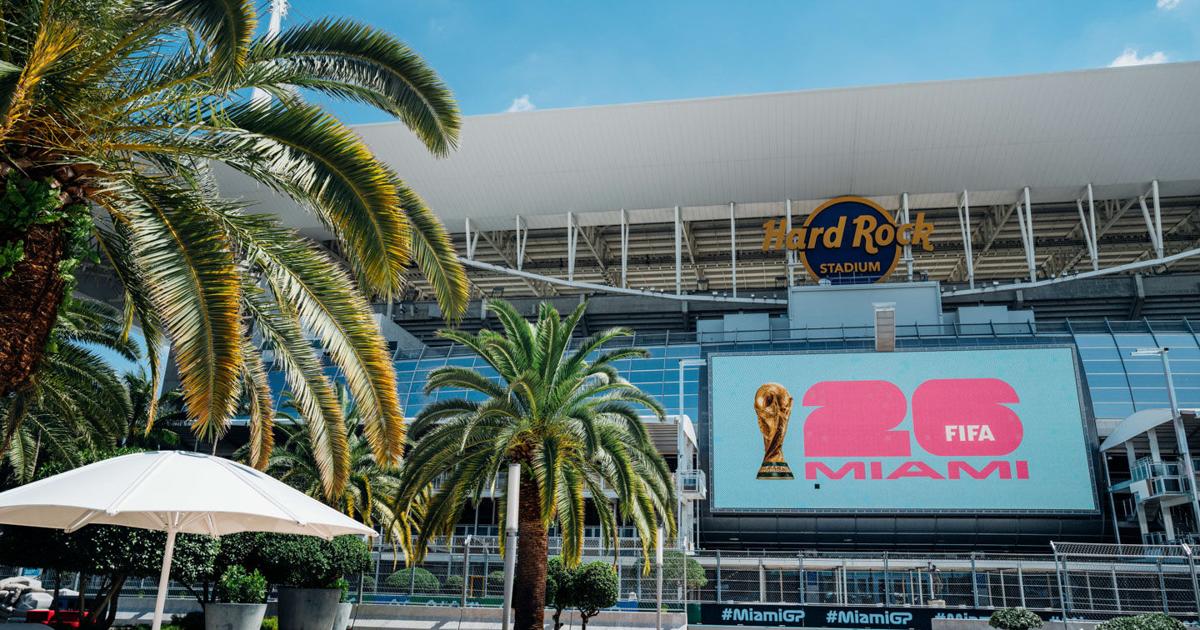
When the World Cup arrives in 2026, the eyes of the world will be on Miami. Our culture, our energy, our food, and everything that makes this the magic city will be center stage. However, before the first whistle blows, the City of Miami has a choice to make: Will the World Cup lift everyone, or just a select few?
At the heart of that question is the City of Miami’s proposed Clean Zone ordinance, a temporary area around Bayfront Park designed to regulate commerce and prohibit unauthorized and unlicensed merchandise and street vending during the Fan Festival. The overall idea is to keep the event organized and safe. On paper, it sounds tidy to some. This is just a way to “stop bad actors,” said City of Miami Commissioner Damian Pardo. But in practice, it may draw an invisible line between global economic opportunities and the exclusion of some local small businesses.
Miami’s small business owners, many of them Black- and Latino-owned, represent the heartbeat of this city. They are barbers and bakers, food truck operators and boutique owners, vendors who turn sidewalks into stories. They are also the same people who’ve carried this community through economic storms and cultural shifts. They deserve not only to be invited to the party, but to profit from it too.
Imagine a Clean Zone that lives up to its name not by cleaning out local businesses, but by clearing the way for them to thrive. Picture a World Cup celebration where Liberty City caterers serve the world, where Little Haiti artists sell their work beside international sponsors, and where every zip code feels ownership in the moment. That’s not impossible; it just requires vision.
Chairwoman Christine King’s vision for ensuring local small businesses in Districts 1 through 5 have a fair chance and opportunity to thrive during next year’s Fan Festival was heard loud and clear. King’s advocacy for small businesses prompted the unanimous decision by her fellow City of Miami Commissioners to defer the Clean Zone vote, allowing time to develop a framework that ensures equitable access and economic inclusion for local small businesses. This approach ensures Miami’s diverse entrepreneurs can fully participate and benefit from the economic opportunities the World Cup promises, reinforcing the city’s commitment to inclusive growth and community empowerment. We acknowledge the collective efforts of the commission.
The NAACP’s Civil and Human Rights Framework for the 2026 World Cup lays out a clear standard: human rights, fair labor, and economic inclusion must be non-negotiable parts of every host city’s plan. That includes giving local vendors priority, protecting workers from exploitation, and ensuring that the economic benefits of these global games flow into the communities that make Miami what it is.
As the city reworks its plan with FIFA, now’s the moment to step up and make sure the Clean Zone doesn’t become a barrier to local opportunity.
On Oct. 23, the City Commission will revisit the Clean Zone proposal at Miami City Hall, 3500 Pan American Drive. We urge all Miami residents, business owners, and advocates for fairness to attend and make their voices heard. Join the call for a city where economic opportunity is shared, inclusive, and accessible to everyone.
Daniella Pierre is a community advocate and president of the Miami-Dade County Branch of the NAACP, where she has served as an active member since 2011.

Daniella Pierre
(Courtesy of Daniella Pierre)