
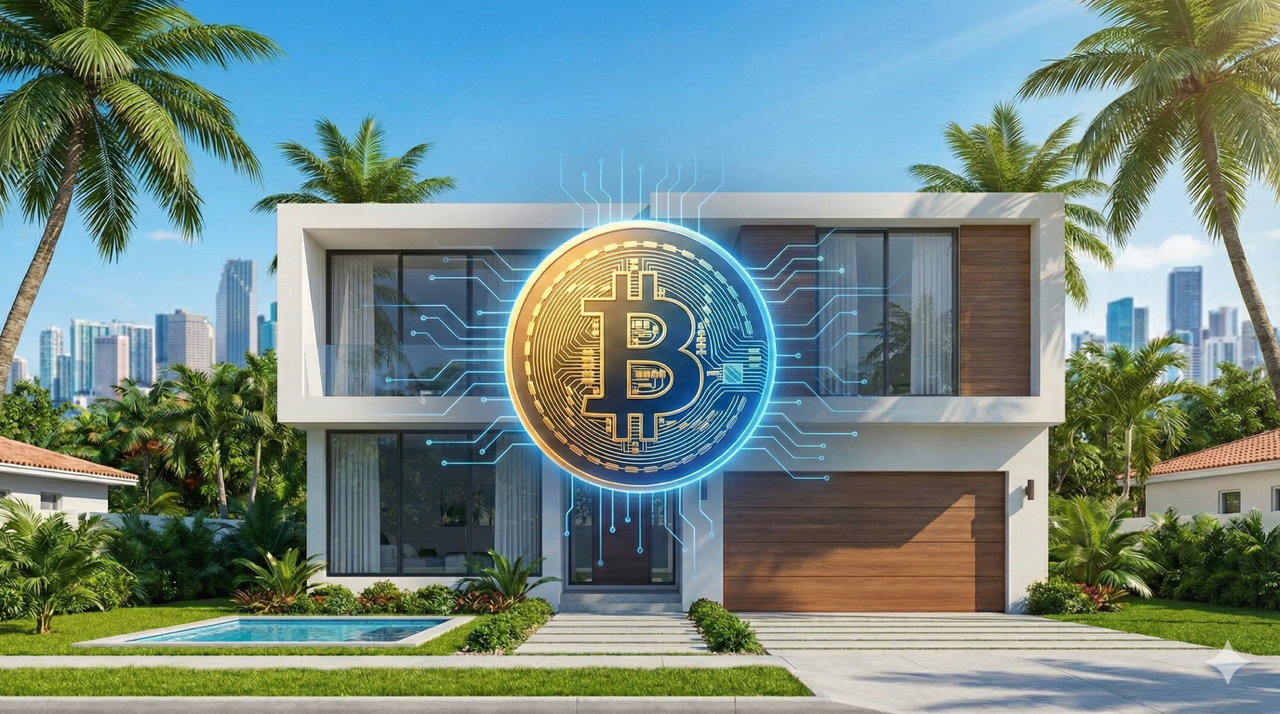
A few years ago, telling a lender you wanted to buy a house using Bitcoin as collateral might have ended the conversation. In 2026, it helped Milo close a $12 million deal and push the Miami-based company past $100 million in crypto mortgage originations.
The milestone, which includes Milo’s largest single transaction to date, marks what founder and CEO Josip Rupena sees as a shift from experimentation to execution.
“We saw the world change very much toward crypto last year,” Rupena told Refresh Miami, describing a deliberate decision to center the business entirely on crypto mortgages. “That allowed us to focus on it. Our volume went up, which is why we crossed $100 million, and it’s been mostly organic.”
That organic growth is key. Rather than relying heavily on paid ads, Milo has leaned on repeat borrowers and word of mouth.
“People love the product,” asserted Rupena. “They’re coming back and using it to get multiple properties.”
Behind the scenes, Milo has become leaner even as volume has grown. The company now has 13 full-time employees, about six in South Florida.
“We started doing a lot with AI about two years ago,” Rupena said. “We’re doing more volume than we did three or four years ago, but we’re far more efficient and doing it with about 20% of the team size.”
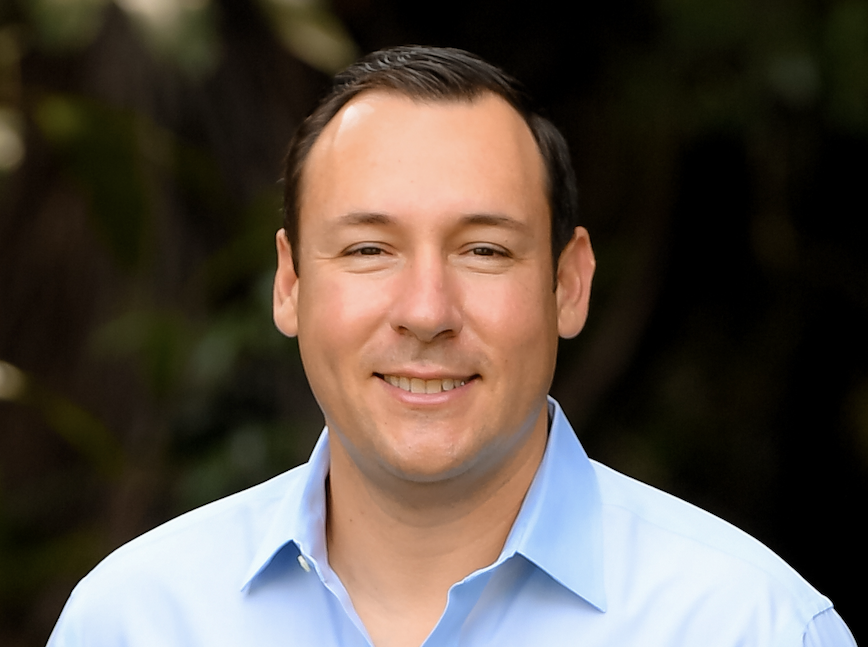 Josip Rupena, Milo’s founder and CEO
Milo’s model allows borrowers to pledge Bitcoin or Ethereum as collateral instead of selling it for a down payment. That means avoiding a taxable event while maintaining crypto exposure. The company says it has issued zero margin calls across its mortgage portfolio to date.
Interestingly, demand has not been centered in Miami.
“We expected more transactions in South Florida and Miami,” Rupena said. “It’s actually been the opposite. We’ve seen more transactions happening in Southern California.”
Broader housing market dynamics have played a role. Sellers clinging to 2021-era price expectations have had to adjust.
“In 2024, everybody thought they were going to sell their home for two to three times more,” he said. “Now, people are setting the reality that homes are still too expensive.”
At the same time, Bitcoin’s rise from $20,000 to six figures expanded purchasing power for many holders. Someone who may not have qualified before suddenly could.
Rupena stressed that the product is not dependent on Bitcoin always rising.
“We’ve done loans when Bitcoin was at 40, at 20, at 120, and everything in between,” he said. “People use our product when it’s the right time in their life to buy a home.”
For a growing group of digital asset holders, that time is now. And as crypto wealth matures, Milo is betting that borrowing against Bitcoin to buy real estate will feel less novel and more routine.
READ MORE IN REFRESH MIAMI:

I am a Miami-based technology researcher and writer with a passion for sharing stories about the South Florida tech ecosystem. I particularly enjoy learning about GovTech startups, cutting-edge applications of artificial intelligence, and innovators that leverage technology to transform society for the better. Always open for pitches via Twitter @rileywk or www.RileyKaminer.com.
Latest posts by Riley Kaminer (see all)