
Florida lawmakers are working to pass the Crown Act, aiming to protect students from hair discrimination in schools by banning bias against natural and protective hairstyles such as braids, dreadlocks, twists and afros. The Crown is an acronym that means a Creating Respectful and Open World for Natural Hair. 27 states have already passed the Crown Act or a localized version of it. During a press conference at the capitol, a high school senior from Tampa, Charlise Bowie shared her experience with hair discrimination as a cheerleader, saying, “During my time at my school’s competition team I experienced how these mandated hairstyles were created and did not fit with my natural hair and were unintentionally creating that barrier for me to able to fit into the team cohesively.”The proposed bill seeks to eliminate such barriers for all public school students and certain private schools with in-state programs from kindergarten through college (K-20). Statistics show Black women’s hair is 2.5 times more likely to be perceived as unprofessional. Your neighborhood: Local coverage from WPBF 25 NewsDemocratic Leader Fentrice Driskell highlighted the bias against textured hair, stating, “So there’s this bias where straighter hair or more European-centric hair is perceived as professional, whereas textured hair is not, and we know that’s not true. This bill is not just about hair, it’s about dignity, identity, and the right to show up as our authentic selves without fear of prejudice.”Driskell, who has been advocating for the Crown Act for six consecutive years, noted that this year, sponsors are focusing more on advocacy work. “What we’re hearing from legislative leadership is that they wanted to hear more stories about the real-world impacts of natural hair discrimination,” she said. “So, by partnering with the organization of Black Girls Govern by reaching out more broadly in the community, we’ve been able to bring back some of those stories and evidence. I will say that this is the first legislative session where I’ve seen some interest in legislative leadership on the bill, but unfortunately, we still have not been able to get it moving.”One of the co-sponsors of HB 235 is Representative Debra Tendrich. She believes students should not face punishment, exclusion or unequal treatment of their natural hair, saying “What I like about HB 235 is it clearly defines protected hairstyles, so it reduces the confusion and helps schools actually apply those policies very consistently throughout our state. It’s also built into Florida’s current nondiscrimination framework.”Recently, the organization Black Girls Govern held a press conference at the Capitol. One of the members, Justice Robinson from Black Girls Govern, shared her experience of workplace discrimination by interviewing for a phlebotomist position at Physicians Regional Hospital on Collier Boulevard, saying, “The hiring manager told me there was one more thing I needed to do. That if I wanted the position, I would need to either comb out my locks or cut them off. I explained locks cannot simply be combed out and that they were cultural to me and my family,” Robinson said.Get the latest news updates with the WPBF 25 News app. You can download it here. More statistics show that 1/4 of Black women believe they have been denied a job interview because of their hair.Robinson added, “She responded she understands it was for my culture, but it was for the health and well-being of everyone, and she claimed locks were dirty and people with locks do not wash their hair. The comment relied on harmful stereotypes about Black hair.” After hearing many experiences similar to Robinson’s, Tendrich says, “The fact that there’s one story is too many. We shouldn’t have one story in our state of Florida that is harming a student’s education because of their hair, and we need to make sure that we don’t have anymore.” Bill sponsors are continuing their efforts to pass the legislation, aiming to secure a hearing in either the House or the Senate committees before the legislative session concludes in mid-March. If the bill passes, it will go into effect on July 1, 2026.
, Fla. —
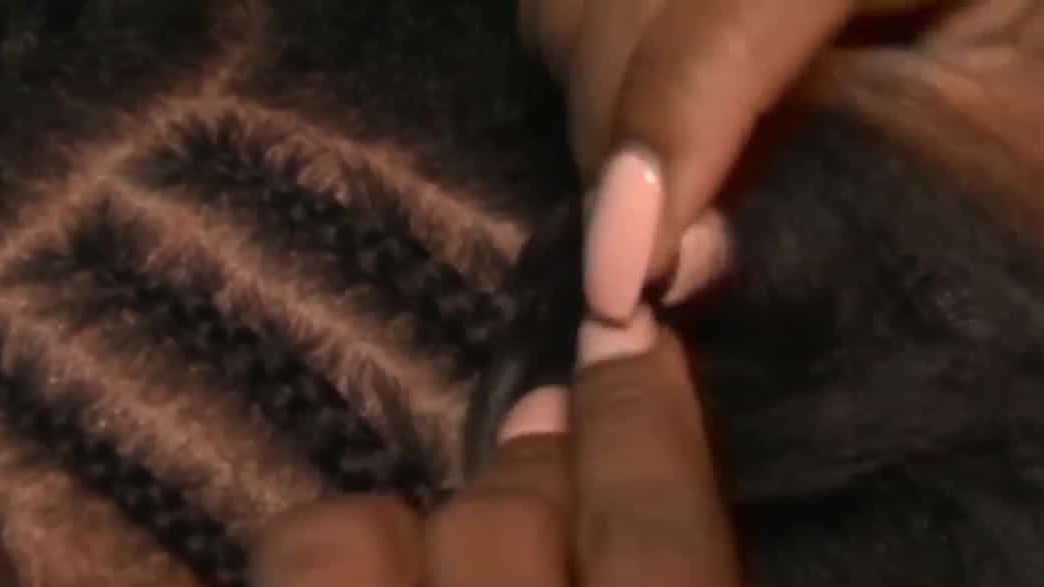
Florida lawmakers are working to pass the Crown Act, aiming to protect students from hair discrimination in schools by banning bias against natural and protective hairstyles such as braids, dreadlocks, twists and afros. The Crown is an acronym that means a Creating Respectful and Open World for Natural Hair. 27 states have already passed the Crown Act or a localized version of it.
During a press conference at the capitol, a high school senior from Tampa, Charlise Bowie shared her experience with hair discrimination as a cheerleader, saying, “During my time at my school’s competition team I experienced how these mandated hairstyles were created and did not fit with my natural hair and were unintentionally creating that barrier for me to able to fit into the team cohesively.”
The proposed bill seeks to eliminate such barriers for all public school students and certain private schools with in-state programs from kindergarten through college (K-20). Statistics show Black women’s hair is 2.5 times more likely to be perceived as unprofessional.
Your neighborhood: Local coverage from WPBF 25 News
Democratic Leader Fentrice Driskell highlighted the bias against textured hair, stating, “So there’s this bias where straighter hair or more European-centric hair is perceived as professional, whereas textured hair is not, and we know that’s not true. This bill is not just about hair, it’s about dignity, identity, and the right to show up as our authentic selves without fear of prejudice.”
Driskell, who has been advocating for the Crown Act for six consecutive years, noted that this year, sponsors are focusing more on advocacy work. “What we’re hearing from legislative leadership is that they wanted to hear more stories about the real-world impacts of natural hair discrimination,” she said. “So, by partnering with the organization of Black Girls Govern by reaching out more broadly in the community, we’ve been able to bring back some of those stories and evidence. I will say that this is the first legislative session where I’ve seen some interest in legislative leadership on the bill, but unfortunately, we still have not been able to get it moving.”
One of the co-sponsors of HB 235 is Representative Debra Tendrich. She believes students should not face punishment, exclusion or unequal treatment of their natural hair, saying “What I like about HB 235 is it clearly defines protected hairstyles, so it reduces the confusion and helps schools actually apply those policies very consistently throughout our state. It’s also built into Florida’s current nondiscrimination framework.”
Recently, the organization Black Girls Govern held a press conference at the Capitol. One of the members, Justice Robinson from Black Girls Govern, shared her experience of workplace discrimination by interviewing for a phlebotomist position at Physicians Regional Hospital on Collier Boulevard, saying, “The hiring manager told me there was one more thing I needed to do. That if I wanted the position, I would need to either comb out my locks or cut them off. I explained locks cannot simply be combed out and that they were cultural to me and my family,” Robinson said.
Get the latest news updates with the WPBF 25 News app. You can download it here.
More statistics show that 1/4 of Black women believe they have been denied a job interview because of their hair.
Robinson added, “She responded she understands it was for my culture, but it was for the health and well-being of everyone, and she claimed locks were dirty and people with locks do not wash their hair. The comment relied on harmful stereotypes about Black hair.”
After hearing many experiences similar to Robinson’s, Tendrich says, “The fact that there’s one story is too many. We shouldn’t have one story in our state of Florida that is harming a student’s education because of their hair, and we need to make sure that we don’t have anymore.”
Bill sponsors are continuing their efforts to pass the legislation, aiming to secure a hearing in either the House or the Senate committees before the legislative session concludes in mid-March. If the bill passes, it will go into effect on July 1, 2026.