
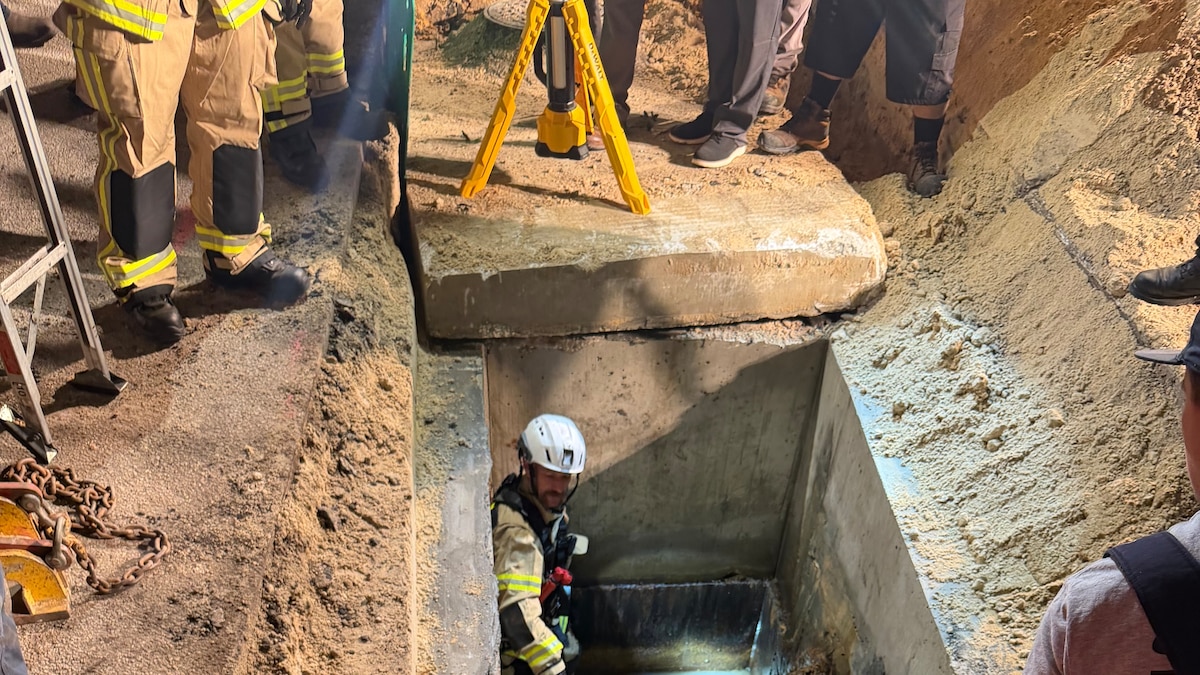
Florida’s waterways are a mix of natural habitat and human-made canals, marinas and drainage systems that manatees regularly move through. While manatees have adapted to these changed environments, the waterways were never designed with large marine animals in mind.
Incidents like this highlight a broader challenge facing manatees’ long-term survival in Florida: access to safe, warm-water habitat. During winter temperature drops, manatees like this one seek out warm water. Both historically and in recent times, they have found refuge in natural springs that maintain temperatures around 72 degrees Fahrenheit, such as the popular Three Sisters Springs and Blue Spring State Park.
But many of these natural springs have stopped flowing, have been polluted, or are cut off by development, resulting in manatees getting pushed out, says Patrick Rose, executive director of the Save the Manatee Club. As climate change drives more extreme weather—including sudden cold snaps as well as sea-level rise—clashes between manatees and human infrastructure are becoming harder to avoid. And as power plants with warm-water outflows are phased out to reduce carbon emissions, Rose says, securing alternative warm-water habitats will be critical to manatee survival.
(There have never been more manatees in Florida than there are now)
How the rescue unfolded
Under normal circumstances, Florida Fish and Wildlife Conservation Commission (FWC) responds to reports of distressed manatees and is equipped to handle rescues, says Phillips. But storm drains and culverts, structures that channel water underground, are tight concrete spaces, and could even have hazardous air quality. Safely removing a 7-foot, 410-pound animal requires specialized equipment, careful coordination and constant monitoring to prevent further injury to the manatee or responders.