
TAMPA, Fla. — Water restrictions and burn bans aren’t unusual this time of year in the Tampa Bay area.
What is unusual is just how far behind the region is in rainfall, combined with widespread vegetation die-off from recent freezes.
What You Need To Know
With dry conditions persisting, burn bans and water restrictions will likely remain in place through June
A lack of rainfall last September is contributing to drought conditions happening all across Florida
More than 18 million Floridians live in areas showing moderate to extreme drought conditions
Spectrum Bay News 9 Weather Experts say a lack of rain and recent freezes killing off vegetation are contributing to a higher fire risk this year
Together, those factors have weather experts warning of an elevated fire risk as the region heads into March and the peak of spring wildfire season.
At Flatwoods Park just north of Tampa, Spectrum Bay News 9 Meteorologist Josh Linker explained that while winter dryness is typical for Florida, this season’s deficit began much earlier.
September, still part of the rainy season, brought record-low rainfall to many areas.
That missing moisture set the stage for current drought conditions.
“September really put a hit on it,” Linker said. “You kind of need that extra water to get things going to avoid a drought situation.”
With dry conditions persisting, burn bans and water restrictions will likely remain in place through June across the Bay area. Bay News 9 Meteorologist Josh Linker explains: pic.twitter.com/JMuSb1q3fB
— Spectrum Bay News 9 (@BN9) February 19, 2026
Winter months are normally dry in Florida, but this year has been even drier than average, compounding the problem.
Recent cold snaps and freezes have created an additional concern: dead vegetation.
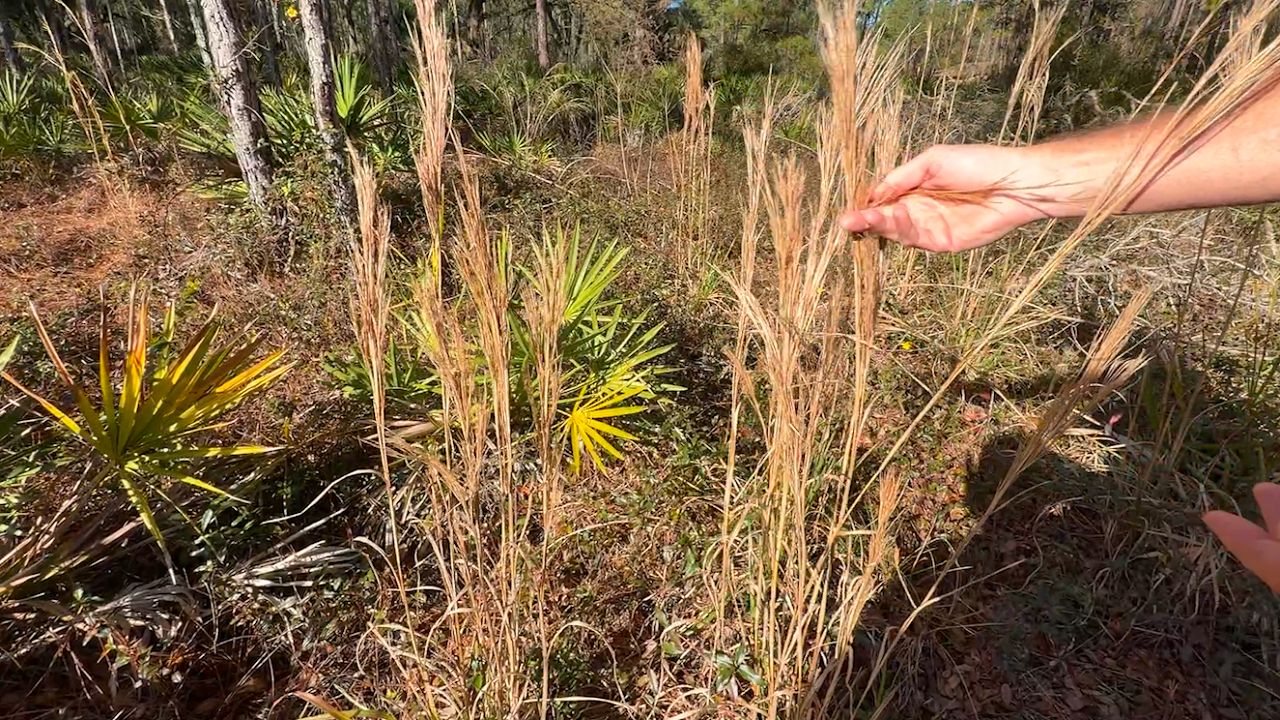
At Flatwoods Park, large areas of brush show signs of freeze damage.
That dry, brittle plant life acts as ready-made fuel.
“If this was all vegetation that was vibrant and full of moisture inside, it could still catch fire,” Linker explained. “But the spreading of the fires would take a little bit longer. This right here — this is the kind of stuff that if you were camping, you’d use to start your campfire. In this case, it would be a wildfire.”
Dead brush and fallen sticks can quickly accelerate the spread of flames, especially on windy days.
The National Weather Service fire outlook for the coming months shows increasing concern through February, March, April and May — traditionally the heart of Florida’s fire season.
As a result, burn bans are currently in place across Tampa Bay counties and could remain through late spring or even early June, depending on rainfall.
While campfires and debris burning are obvious risks, emergency responders say many brush fires can occur from other causes.
Among the most common concerns include lightning strikes, cigarettes thrown from car windows, lawn mower blades scraping the pavement causing sparks that cause fires, and low-hanging car mufflers that cause sparks on roadways.
With drought conditions lingering and vegetation primed to burn, officials are urging residents to take extra precautions in the weeks ahead.
Until sustained rainfall returns, the combination of dry weather and damaged plant life will continue to keep fire danger elevated across the Tampa Bay region.