
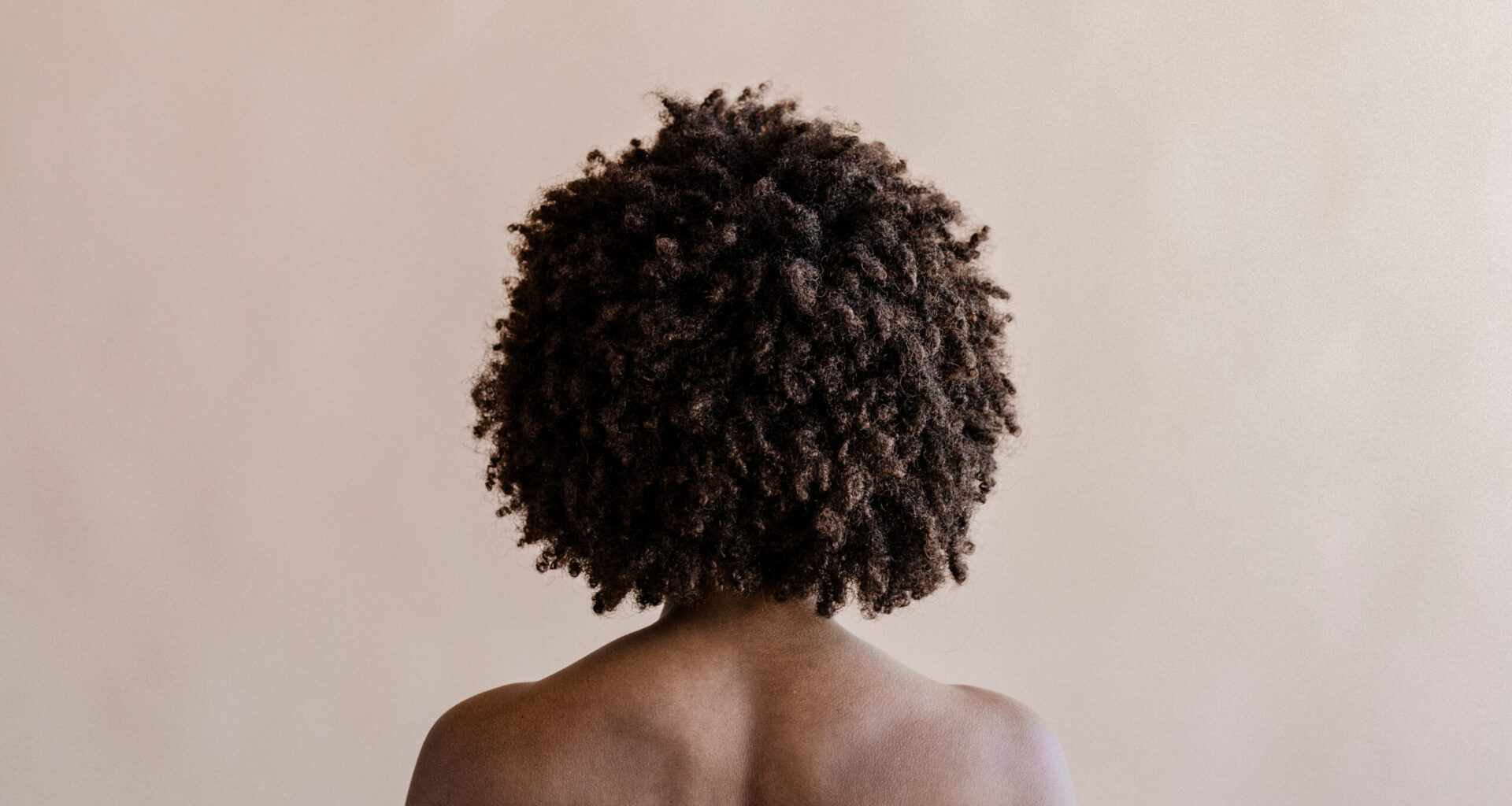
 Black model with natural hair (Adobe Stock)
As students navigate identity and campus life, they say access to Black hair care resources has grown in importance at Florida A&M University.
For many students, college marks a turning point in their hair journey, as on-campus hair services and organizations help challenge stigmas that frame Black hair as not “done” or unprofessional. Those experiences often shape how students build confidence and express themselves on campus.
Shania Marshall, a third-year political science student, founded We’re So Loc’d In at FAMU to normalize education and community around natural hair.
“While FAMU celebrates black excellence, there was still a huge gap when it came to intentional education, resources and community around Black hair, especially locs and natural styles,” Marshall said.
Marshall emphasized that ideas about professionalism often lead students to believe their hair needs to be changed to fit certain spaces.
“I don’t think a workplace or a professional place is somewhere where you’d have to cut your locs to fit in,” she said.
Versailles Harrell, a third-year psychology student, said coming to FAMU changed how she viewed and cared for her natural hair after seeing other students confidently wear natural styles.
“I started taking care of my hair and now it’s amazing; I love my hair,” Harrelll said.
Physical access to hair care has become a part of daily life at FAMU. Rattlers Edge includes an on-campus hair salon, barbershop and hair store, giving students a convenient place to maintain their hair without leaving campus.
“You can have an interview or a headshot you need last minute, and being so close to those resources is perfect,” Marshall said.
Kira Brown, a fourth-year criminal justice student, is the co-founder of Organically Crowned, which supports students feeling comfortable wearing their natural hair through education and community-based events on campus.
“Hair is definitely one way you could express yourself,” Brown said. “It’s an extension of your personality.”
The organization hosts workshops and service-focused events that provide students with supplies and styling support while challenging the idea that natural hair must be in a certain style to be considered done.
“Natural is done,” Brown said.
For students, access, education and community helped shift conversations around Black hair away from stigma and toward pride.
“I hope that they look in the mirror and see the kinks and the curls and the coils in their hair and they feel good about what’s looking back at them,” Brown said.