

Linda Mugleston and Linda Laura Faye Smith play anti bilingualists in “English Only,” the new world premiere at Miami New Drama through Sunday, Feb. 22.
(Photo by Morgan Sophia Photography)
In 1980, as some 125,000 Cubans were fleeing the Castro regime during the Mariel boatlift, a lot of Spanish was being spoken in the Miami area. Too much of it, according to some residents who organized a petition drive and convinced voters, by an overwhelming margin, to approve an ordinance that declared English the official county language.
The ballot initiative prohibited Dade County from spending money for the use of any language other than English or for the promotion of “any culture other than that of the United States,” the New York Times reported at the time. With some exceptions — such as 911 calls and other emergency services — county government couldn’t print documents in Spanish, Haitian Creole or other languages despite its multicultural community.
That was almost 46 years ago but, if history goes in cycles, America in 2026 is starting to feel a little bit like 1980. The theater production “English Only,” playing at Miami Beach’s Colony Theatre through Sunday, depicts the battle between the two sides that supported or opposed the referendum. The main characters may have changed, but the arguments sound strikingly the same.
This time, we have an “America First” movement led by a president who’s spent a decade stoking animosity toward immigrants. The influx of migrants during the previous administration prompted many voters to support mass deportations and anti-immigration policies.
And the widespread use of Spanish and other languages in South Florida and other parts of the country is again cause for consternation.
President Trump last March designated English as the official language of the U.S., a move that appears symbolic but could restrict access to services for non-English speakers. There was the conservative backlash to Bad Bunny’s recent Super Bowl performance. And Florida recently changed the rules on driver’s license tests, no longer allowing drivers to take the test in another language. The state says that’s meant to make roads safer, but there’s scant evidence to show that allowing people to take the test in their native language makes roads more dangerous.
As an immigrant, I understand that people who move to this country should try to learn some English. Language is part of national identity and assimilation isn’t bad. Indeed, Emmy Shafer, the woman who led the English-only petition drive in 1980, was an immigrant who had been held in a German concentration camp during World War II, according to the New York Times. Opposing her effort was Cuba-born lawyer Manny Diaz, who would later become the mayor of Miami.
Diaz and Shafer exemplify an age-old debate in immigrant communities: How much do you fit in, and how much do you preserve your identity as someone born outside the U.S.? There’s no easy answer, but an English-only rule isn’t going to suddenly force immigrants to speak better English. In fact, the point of this kind of law doesn’t seem to be to foster unity but to retaliate and exclude: “You don’t belong here. Speak English or go back to where you came from.”
Some people will insist that if you don’t speak the language, you don’t deserve access to the benefits of living in America. But, if you have ever learned another language, you know there’s big difference between mastering enough to hold a casual conversation and understanding complicated government information.
Dade’s experience shows that turning cultural grievances into laws may appease one side of a culture war, but does that make communities better?
It took Dade 13 years to repeal that ordinance with a unanimous vote by county commissioners in 1993. This happened after a six-hour hearing conducted amid bomb threats, the Herald and other news outlets reported at the time.
Opponents of the commission’s decision warned that repealing the language requirements would “unleash a slew of evils, from white flight to ethnic strife to a Spanish-only county,” a Herald reporter wrote back then.
In the 30-plus years since the repeal, I’d argue most of those fears have not materialized. Miami is now a financial and tech hub that attracts businesses from around the world. It has thrived as a bilingual — or even trilingual — community. Let this experience be an example for the rest of the country.
Isadora Rangel is a member of the Miami Herald Editorial Board.
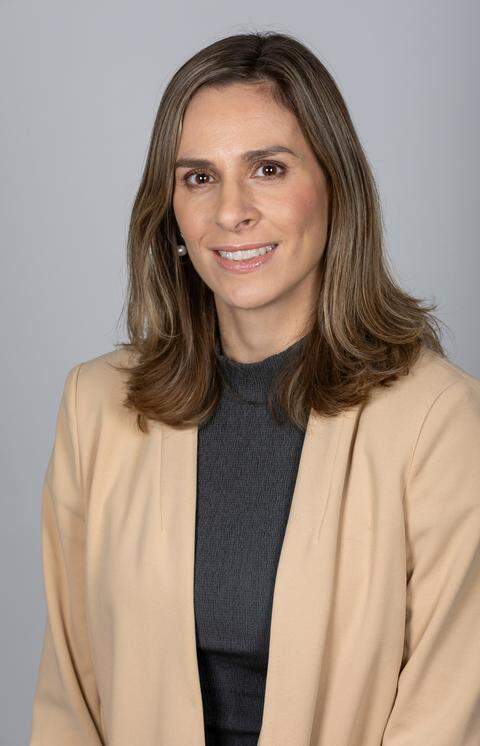
Isadora has been a member of the Herald’s Editorial Board since February 2021. She graduated from FIU and covered politics and the state Legislature for Florida newspapers before becoming an opinion writer. She was the engagement editor at FLORIDA TODAY in Brevard County before joining the Herald. Isadora was born in Brazil and immigrated to the U.S. at 19.