
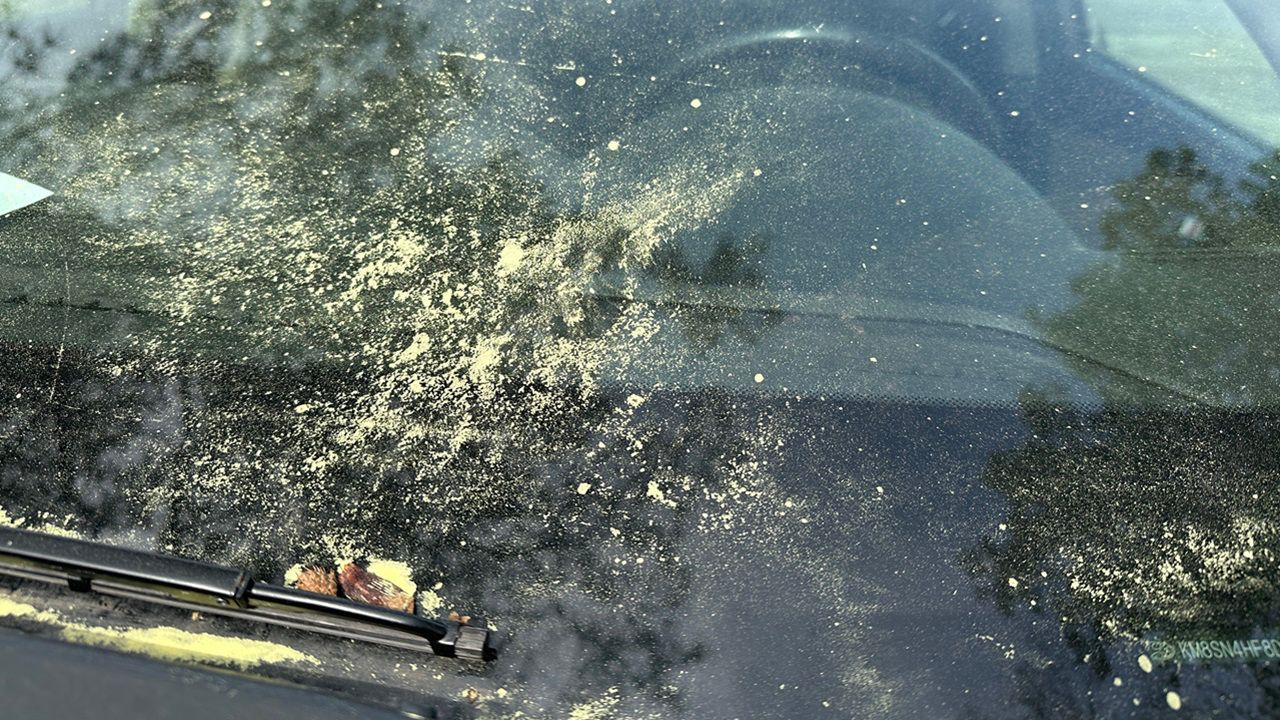
ORLANDO, Fla. — Central Florida is experiencing a mix of warm and chilly temperatures, increased humidity, and scattered pre-spring showers — classic conditions that lead to a surge in pollen production. With daytime highs already reaching the mid-80s and mild to cold overnight lows, plants are reacting to this transition period as we approach spring, and that means one thing for residents: allergy season is in full swing.
Recent weather patterns have included alternating dry spells and sudden rainfall. This combination encourages plant growth and pollen release; rain helps plants flourish, while the following dry and breezy days allow pollen to become airborne.
You can check the pollen forecast anytime on our website and app.
Types of Pollen on the Rise
1. Tree Pollen
Currently, tree pollen is the primary culprit for allergy sufferers. Central Florida’s native and ornamental trees are heavy pollinators this time of year. The main offenders include:
Oak – Particularly live oak, one of the most dominant species in the region, producing dense yellow-green pollen.
Pine – Common in suburban and rural areas, pine pollen contributes to the yellow coating seen on cars and outdoor furniture.
Cypress – Typically peaks earlier in spring but can linger depending on weather conditions.
2. Grass Pollen
As temperatures continue to climb, Bermuda grass and Bahia grass pollen are beginning to increase as well. While grass pollen counts haven’t yet reached their full seasonal peak, they’re on the rise — adding another layer of discomfort for allergy sufferers.
Common Allergy Symptoms
If you’re one of the many residents sensitive to pollen, you may experience a range of symptoms, such as:
Sneezing and nasal congestion
Runny or itchy nose
Watery or itchy eyes
Scratchy throat or coughing
Fatigue or mild headaches due to sinus pressure
Long-term exposure without proper management can lead to more severe sinus inflammation or even trigger asthma symptoms in predisposed individuals.
Tips to Lessen Allergy Symptoms
Here are some ways to reduce your exposure and manage your symptoms effectively:
1. Keep Windows Closed
As tempting as it can be to let in fresh air, it’s best to keep windows and doors closed during high pollen days — especially in the morning and late afternoon when pollen counts peak.
2. Check Daily Pollen Forecasts
The Spectrum News App and the National Allergy Bureau (NAB) provide daily updates on pollen levels. Plan outdoor activities for days with lower counts.
3. Shower and Change Clothes After Outdoor Activities
Pollen tends to cling to clothing, hair, and skin. Rinsing off and changing clothes after being outdoors helps prevent bringing pollen into your living spaces.
4. Use Air Purifiers Indoors
HEPA-filter air purifiers help clear airborne allergens inside your home. It’s also a good idea to replace HVAC filters regularly, ideally with allergy-grade filters.
5. Consider Over-the-Counter Medications
Antihistamines, nasal corticosteroid sprays, and saline rinses can help control inflammation and alleviate symptoms. Consult your doctor before starting new medications, especially if you have chronic respiratory issues.
6. Protect Your Eyes and Face Outdoors
Wearing sunglasses and a wide-brimmed hat can shield your face and eyes from pollen exposure when you’re outside.
Final Thoughts
As Central Florida transitions fully into its spring pattern, weather conditions are ideal for plant growth — and unfortunately, for pollen production too. Staying informed and taking proactive measures can make all the difference in comfortably managing allergy season.
For those living in the Sunshine State, the best defense is preparedness: monitor conditions, minimize exposure, and take steps to reduce pollen buildup indoors. With a few adjustments, you can still enjoy the season — minus the sniffles and sneezes.