
1 / 2
SANIBEL-CAPTIVA CONSERVATION FOUNDATION
2 / 2
SANIBEL-CAPTIVA CONSERVATION FOUNDATION
[expand]
close
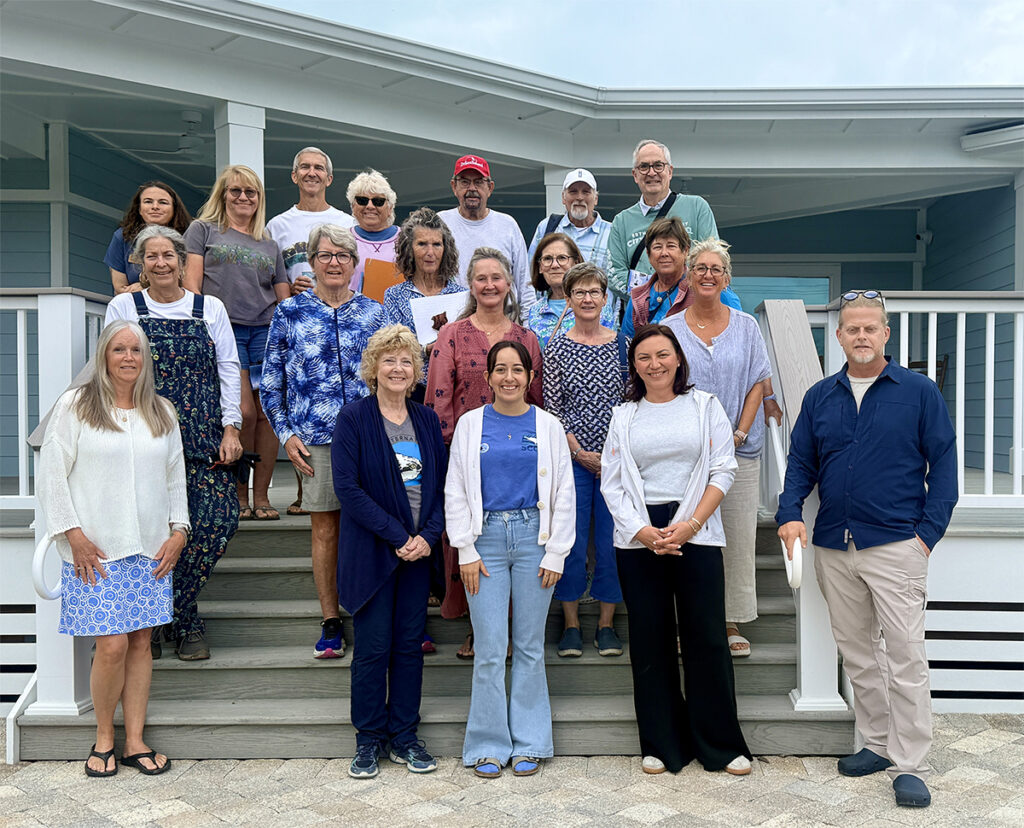
On Jan. 14, the Sanibel-Captiva Conservation Foundation (SCCF) held its first volunteer training for the new osprey monitoring program, following the recent transfer of The International Osprey Foundation (TIOF)’s mission to the SCCF.
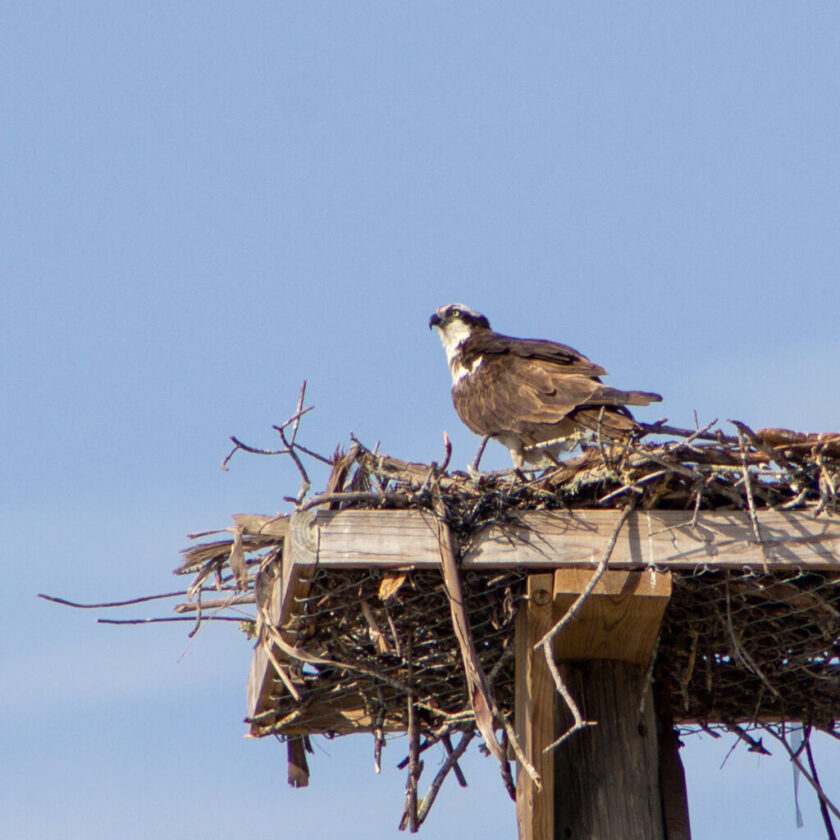
Osprey nesting season in South Florida begins in late fall and lasts through mid to late spring. This year, new and existing TIOF/SCCF volunteers will monitor 197 osprey nests across Sanibel, Captiva, Fort Myers Beach and Pine Island.
“The status of these nests vary, some of them being new platforms, some being inactive in recent years and some that were successful last season,” Osprey Program Coordinator Amanda Manrique said. “We also hope to expand our monitoring to North Captiva this season.”
During the training, staff and seasoned TIOF volunteers covered the ins and outs of monitoring osprey nests, from recognizing the most subtle signs of nesting behavior and how to detect the presence of chicks, to differentiating adults and juveniles and recording the most accurate data.
The data that volunteers collect include number of ospreys in the area, mating behavior, incubation, nestlings and fledged chicks, among many other observations. Monitoring data are eventually calculated for end-of-season nesting success, as well as submitted to the global database OspreyWatch. The information is also submitted to the city of Sanibel and shared with other partners to help inform the public, media, researchers and water quality decision-makers.
“I’m looking forward to engaging the community in a whole new way and learning all there is to know from The International Osprey Foundation,” she said. “I am hopeful that we will be able to expand on their incredible work and continue the legacy of monitoring such an important species.”
The osprey program will also be in charge of maintaining and building osprey platforms.
With the osprey nesting season already underway, the SCCF is not recruiting any more volunteers at this time. However, there will be opportunities to join the monitoring efforts in future seasons.