TAMPA, Fla. — As layoffs and career uncertainty continue to affect workers across Tampa Bay, an area nonprofit says demand for its services is rising — not just for job leads, but for emotional support.
What You Need To Know
Since launching during the 2008 recession, Career Rebound has helped more than 4,300 people through peer support and job placement
The organization provided job leads, networking opportunities and help alleviating the stress of job loss
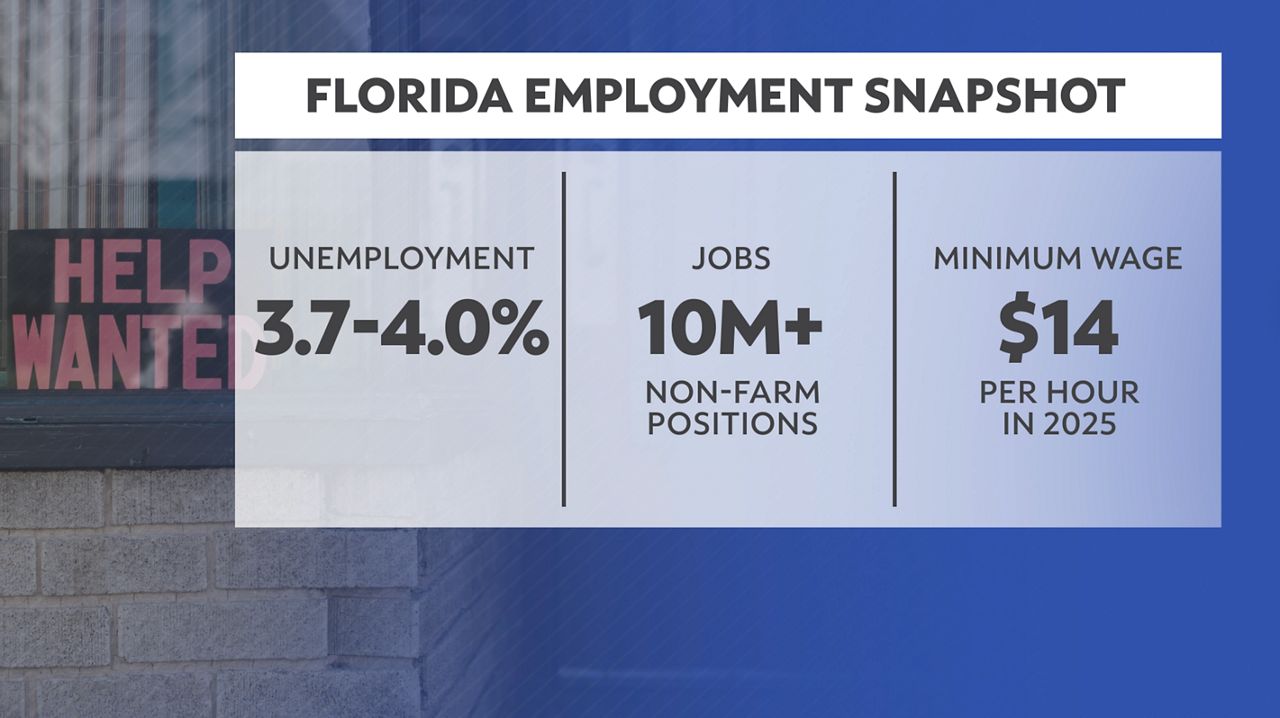
A snapshot of Florida’s employment numbers shows an unemployment rate below the national average at 3.7 percent
In this network, job seekers are not just moving to their next job — they are learning how to pivot in an ever-changing economy and job market
Since launching during the 2008 recession, Career Rebound has helped thousands through peer support and job placement. Now, 18 years later, leaders say the need remains strong.
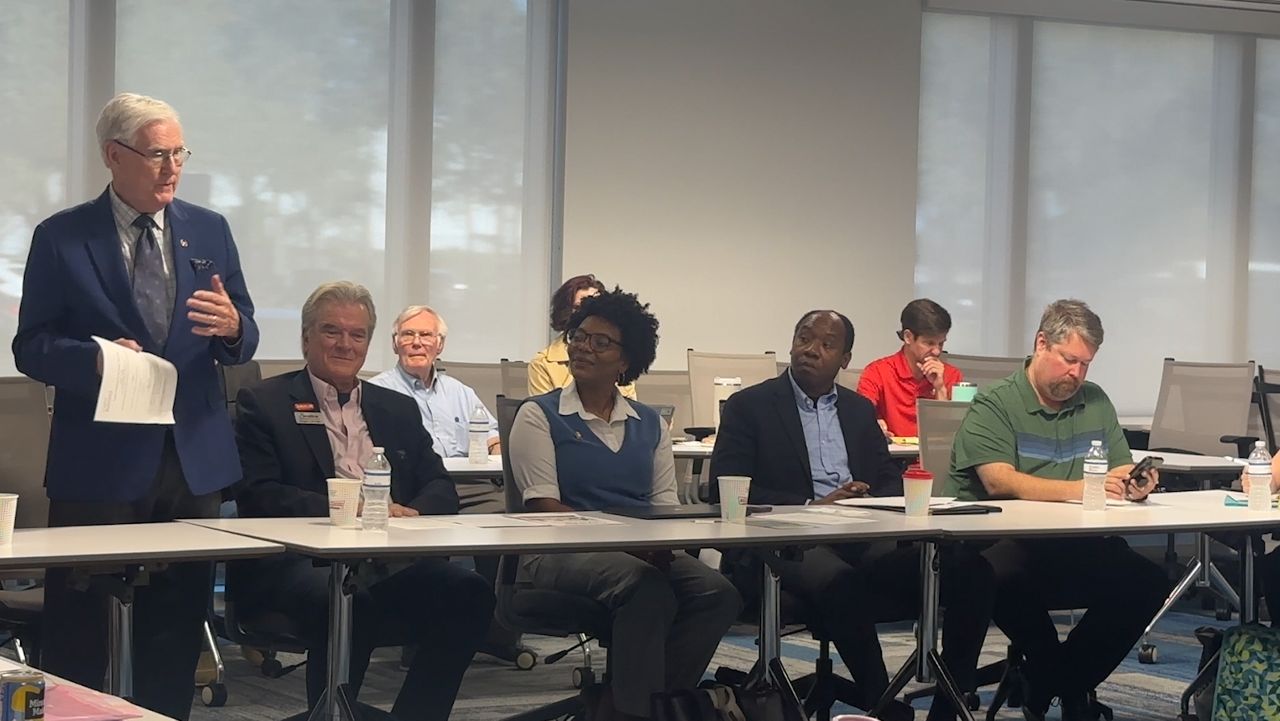
Every month, meetings begin with applause and positive affirmations.
“Primarily, we go around the room and each individual says who they are, where they’ve been, where they are now, and where they’d like to be,” said Greg Morgan of Career Rebound.
Support and encouragement can go a long way during unemployment. Career Rebound President Carlene Ulacia knows that firsthand.
“I started with Career Rebound, now 12 years ago, as a rebounder looking for support myself,” Ulacia said.
She says the organization provided job leads, networking opportunities and help alleviating the stress of job loss.
Florida’s job market — and underlying concerns
A snapshot of Florida’s employment numbers shows an unemployment rate below the national average at 3.7 percent. Florida is one of the largest U.S. employers with more than 10 million jobs and a minimum wage of $14 an hour.
Still, Career Rebound founder Ron Weaver says the full picture is more complicated.
“Even though the stock market’s doing good, unfortunately, a lot of the underpinnings are not doing so well,” Weaver said. “AI is replacing a lot of jobs. And as a result, we have a lot more people coming looking for work. Kind of like 18 years ago when we had 30,000 people out of work in real estate alone when we started.”
To date, the nonprofit says it has helped more than 4,300 people find jobs.
Once out of work herself, Treasurer Elaine Kennedy Ruyle now offers advice to others navigating a transition.
“Get out there. Don’t sit at home behind the computer because that’s not how you’re going to find a job. You have to go out and network, go out and meet people any way you can and retain those connections, because you don’t know when you might need them again,” she said.
In this network, job seekers are not just moving to their next job — they are learning how to pivot in an ever-changing economy and job market.
“The average tenure on a professional job today is two and a half to three years. We rebound and as soon as we start thinking something’s wrong with that, we get in trouble,” Ulacia said.
Leaders say that mindset is key — proving that a successful rebound starts with a positive outlook.
Career Rebound meets every third Wednesday of the month. Jobseekers can attend free of charge.