
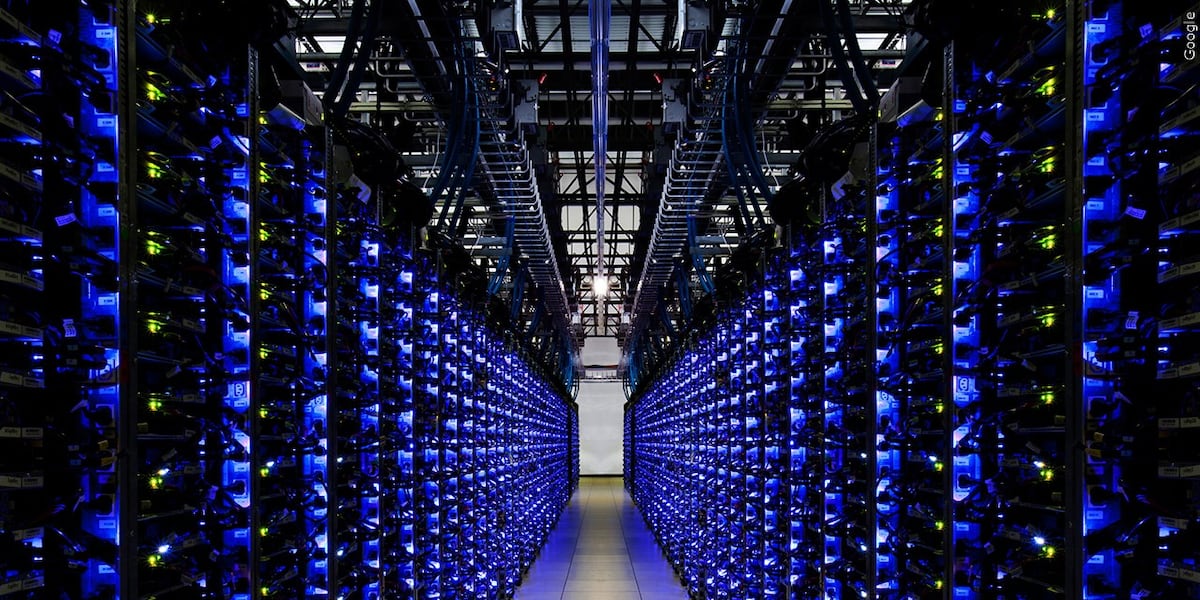
TALLAHASSEE, Fla. (WCTV/Gray Florida Capital Bureau) – A Florida House committee approved legislation Tuesday designed to prevent AI data centers from driving up electricity costs for state residents.
The bill would require tech companies to pay for all utilities they use, restrict where data centers can be built and ban non-disclosure agreements between companies and local governments.
State Rep. Griff Griffitts (R-Panama City), who is backing the legislation, said lawmakers are drawing on lessons from other states already dealing with data center growth.
“We’re just hearing a lot of concerns. Loudoun County, Virginia has a lot of growing pains with data centers. We were learning off the research they’re providing,” Griffitts said.
Griffitts said the goal is to get ahead of potential problems before large-scale data centers arrive in Florida, which currently has none.
“We thought we’d get ahead of the curve a little bit and put some guardrails in place,” he said.
Florida Politics:
Tech companies and business groups have raised objections to the bill. Katie Kelly, TechNet’s executive director for Florida and the Southeast Region, argued that NDA restrictions would harm companies’ ability to operate.
“NDAs protect proprietary infrastructure planning, energy modeling and land negotiations. Florida already provides confidentiality protections for other industries and data centers should not be uniquely excluded,” Kelly said.
The Florida Chamber of Commerce said a provision banning data centers within five miles of neighborhoods and schools would discourage development, “significantly limit where data centers can be constructed while sending the signal that Florida is less than welcoming their sitting all together.”
Florida Power and Light spokesman Andrew Sutton said the state’s largest electric provider already requires data centers to pay for the energy they use and the infrastructure needed to support them.
“We believe very strongly Floridians should not pay more for electricity because of large-scale data centers,” Sutton said.
The legislation still needs a vote in both chambers before it can become law.
Copyright 2026 WCTV. All rights reserved.