
For many, colorectal cancer screenings are at the bottom of the to-do list. Between family, work and planning the next big trip, it can feel like there is just no time. Screening itself can also seem uncomfortable and invasive. But, as you get older, the cost of not staying up to date on screenings increases. More specifically, colorectal cancer can be one of the most deadly types of cancer when diagnosed at an advanced stage.
But there is hope. When caught at an early stage, colorectal cancer has a 91% five-year survival rate, which is why screening and early detection are so important.
Here in Florida, only 65.5% of eligible Floridians, aged 45 and older, are up to date on colorectal cancer screening, leaving thousands unscreened and at risk. There has also been an annual rise in advanced-stage colorectal cancer in the state, coupled with the fact that 60% of low-income or Medicaid adults in Florida are not screened, which paints a clearer picture of the disparity in care accessibility and awareness of available options for specific individuals. The numbers do not lie. Early screening can truly save lives.
Negative sentiment surrounding the options available can also deter individuals from regular screening. While colonoscopies remain the ultimate standard for detecting colorectal cancer, many people find the prep to be uncomfortable, burdensome, and the procedure to be invasive. Stool-based tests can cause anxiety and hesitation due to their unpleasant nature. These factors contribute to the screening gap within our state and throughout the nation, having a growing impact on communities right here in the Sunshine State.
That’s why, when it came time for my own screening, I talked to my doctor and was grateful to learn about more comfortable, non-invasive blood test screening options, like the Shield test, the first FDA-approved blood test for primary colorectal cancer. Blood-based tests like this are helping more people get screened for this disease by offering simpler methods that can be completed at any regular doctor’s visit.
I decided to take the blood test myself. To my surprise, it was just a quick blood draw at my doctor’s office. There was no special prep or time-consuming process. I walked out feeling relieved and empowered, ready to focus on what I love most.
For me, that means planning family trips to Disney and cruising to new places around the world. These moments are worth protecting. Prioritizing my health means I can keep making memories with the people I love and doing the things that bring me joy.
Screening for colorectal cancer isn’t just about checking off a box. It’s about giving yourself a chance to catch something early, when it’s most treatable. It’s about staying present for the people and experiences that matter most. And now it’s easier to do so with new methods.
I encourage everyone to speak to their doctor about the available screening methods. It could be one of the most important conversations you have, for yourself and your future, so you can get back to doing more of what you love.
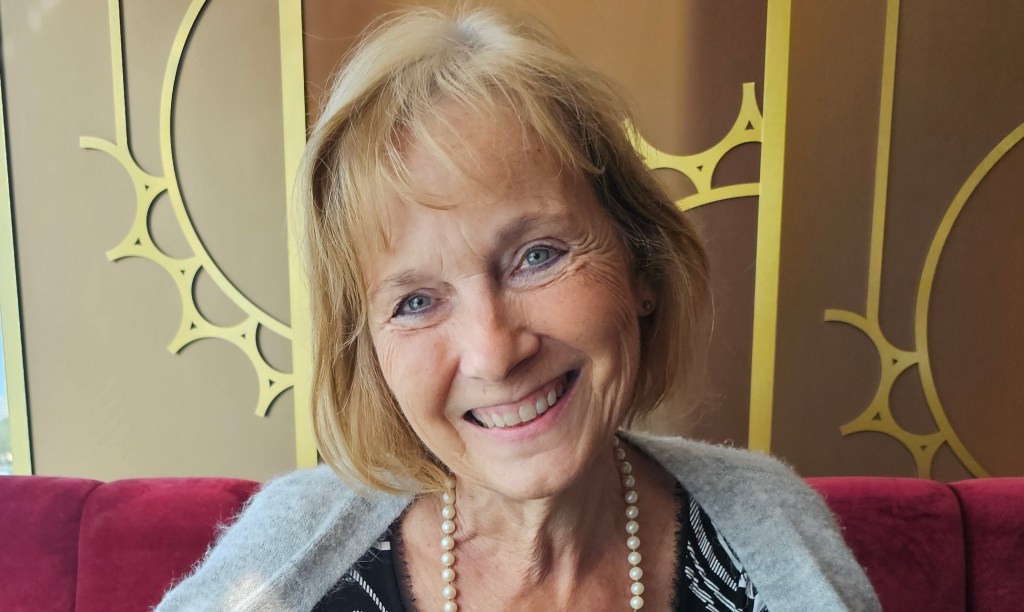
Ute Harshbarger is a travel agent based in Davenport.