
State lawmakers voted last week to serve Floridians a dose of pretty poison, bottled in the shape of a massive tax cut and dangled before voters in the November election.
The Florida House approved a proposed constitutional amendment (HJR 203) that would — if voters approve — eliminate non-school property taxes on about half of Florida homes as of January 2027. And they probably will approve it. This change will appeal to voters who have been shackled by ever-increasing insurance premiums and watched prices skyrocket for consumer goods ranging from soda pop to pickup trucks. The people who would most benefit — homeowners — are also the people most likely to vote, and the measure could also be boosted through so-called “aspirational voting” by people who can’t afford homeownership now, but still cherish that dream.
For them, this measure would be the cruelest of jokes: If local governments raise tax rates to cover some of the estimated $18.3 billion they will lose annually, they’ll put a heavier burden on low-income Floridians who can only afford rental properties. Tax rate increases would also hit the small businesses that create most of the state’s new jobs.
That assumes that local governments will shift that burden, and try to keep tax revenue stable. That might not happen at first: These public servants, unlike lawmakers, must actually look their constituents in the eyes when voting on tax rates. Many local county and city commissions will probably first opt to power through their budget reserves — the so-called “rainy day funds” meant to insulate against natural disaster. Now that money will cover a disaster that is entirely manmade.
Next, they will look first for places to cut.
And that’s likely to get ugly, fast.
The problem is this: Most people don’t really understand what local property taxes pay for — both directly, as functions of city or county government, and indirectly in the form of grants to community organizations that provide a wide range of services. Local communities even pick up a portion of much bigger expenses, such as Medicaid coverage for low-income families.
So where will local officials look for cuts? That is a long, long list, and we’ll cover it in more detail in our next editorial. But expect them to start with some things that many people consider to be “extra” — sports programs, community festivals, library services and environmental preservation. In communities like Deltona and St. Cloud, where a large percentage of the tax base is residential, the impacts will hit the hardest.
One area that will be off-limits: Public safety. A clause in the proposed amendment would force them to fund police, fire and other first responders at current budget levels, which creates yet another budgeting trap for local officials.
Lawmakers probably heard all these arguments — and more — before last week’s vote on HJR 203. They approved it anyway on a party-line, 80-30 split.
Maxwell: Florida’s property tax cut plan is flailing. Here’s what should happen
And we were very disappointed to learn that the only House Democrat to vote in favor of the ruinous legislation was our Rep. Leonard Spencer. He said he thinks the legislation will benefit the residents of his district, which includes most of the Walt Disney World properties.
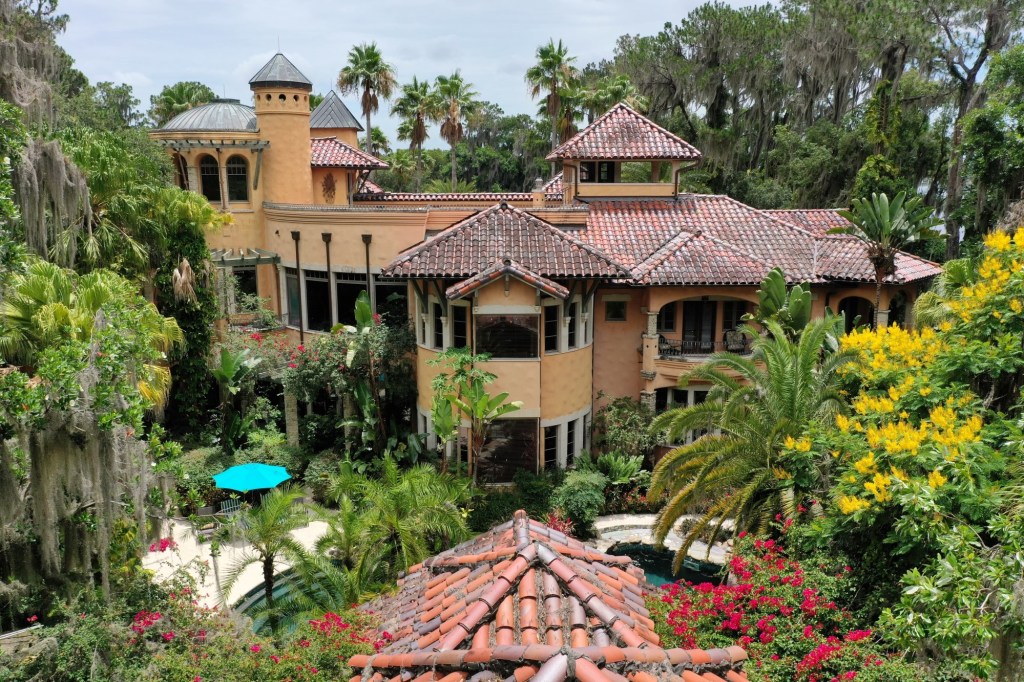
Well, he’s partially right — this will be a massive windfall for the millionaires who live in gated communities like Isleworth, Bay Hill and Championsgate. If the owners of the Da Silva estate near Windermere — which was, when it sold for $32 million in 2023, the most expensive house in Orange County — were to claim homestead, this tax break would save them $273,322.
But the low-income workers who make pizzas and hotel-room beds for the tourist-industrial complex — the ones who live by cramming two or three people into a one-bedroom rental? Not so much. Their rent will go up when their landlords’ tax bills rise. And they might have to wait more than an hour to get to work because of Lynx budget cuts.
We don’t yet know the fate of HJR 203. It lacks a Senate companion; the Senate plans to address property-tax reform in a special session DeSantis plans to call in late spring. But the House’s lavish offer was clearly designed to set the bar high for the final product.
Between now and then, the best thing Floridians can do is let lawmakers know that they understand basic math — and the cruel calculation behind this legislation. will be a long fight, mostly uphill. And there’s reason to worry. If lawmakers aren’t careful (and right now, they are being the opposite of careful) any tax-cut legislation will hurt far more Floridians than it helps.
Coming Friday: What cuts may come
The Orlando Sentinel Editorial Board consists of Opinion Editor Krys Fluker, Executive Editor Roger Simmons and Viewpoints Editor Jay Reddick. Use insight@orlandosentinel.com to contact us.