
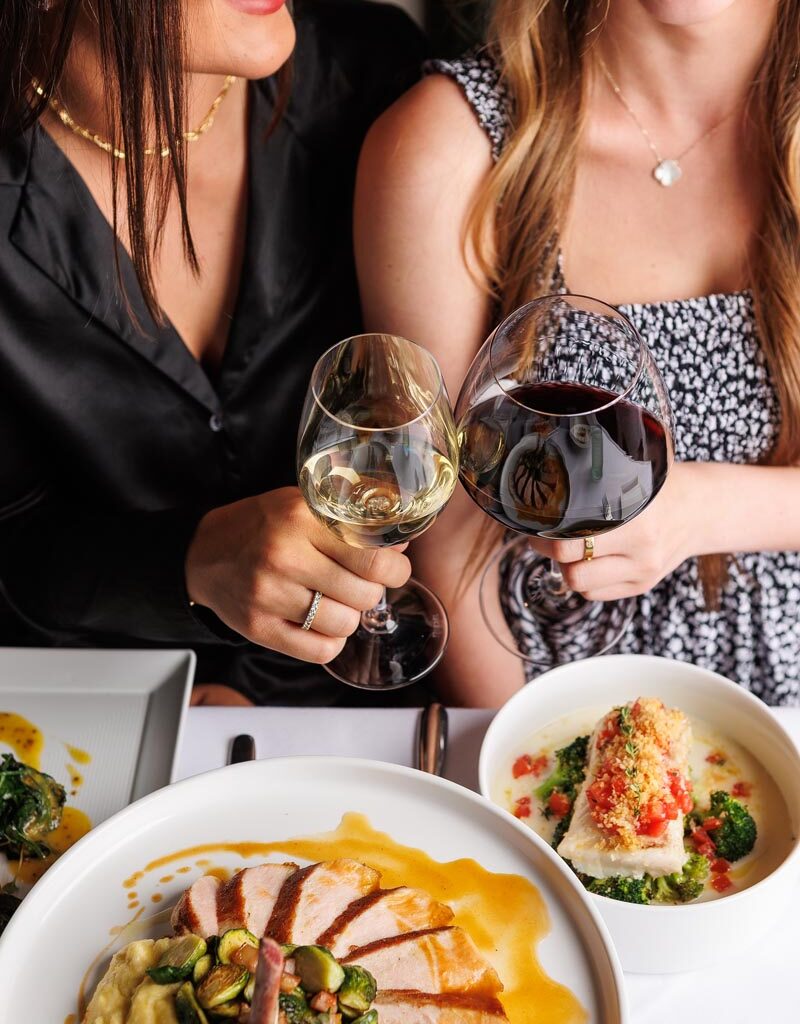
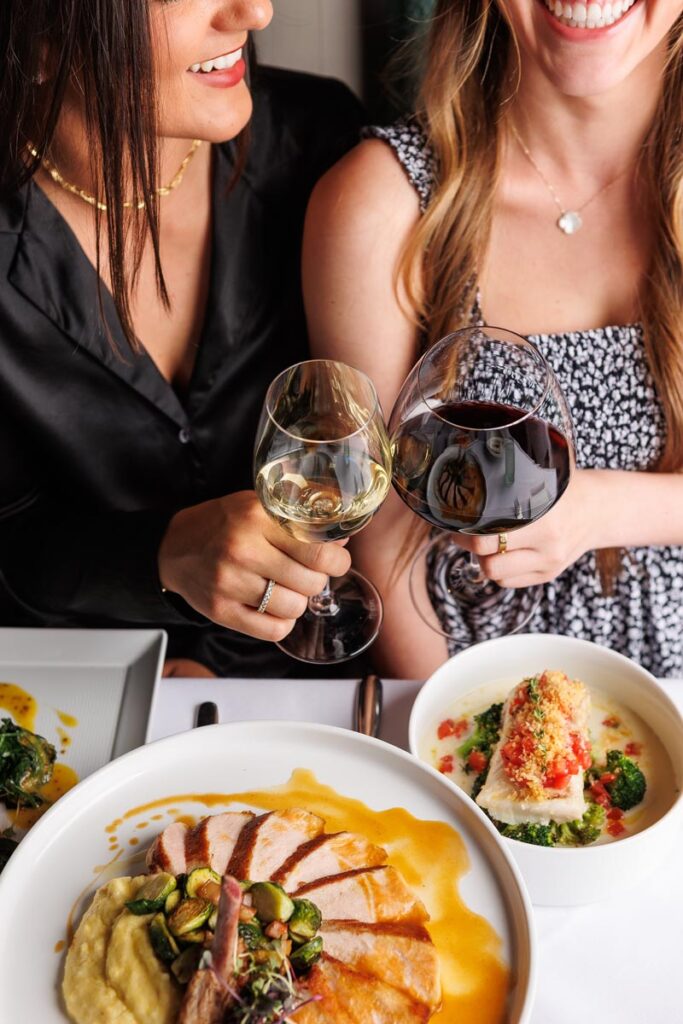
 The Chef’s Table. Photo by Jennifer Sampson
There’s a steady pace in the kitchen at The Chef’s Table in Stuart. Executive Chef Paolo Ferretti moves with the kind of focus you only develop from repetition and instinct. The room feels measured. Nothing is rushed. The spot’s wine list fits that same rhythm.
Two bottles stand out this season. Neither is loud or showy; just wines that understand what the food is doing and meet it there.
Verdicchio Villa Bianchi is the first, sharpening the palate without calling attention to itself. Owner and operator Carra Crehan describes it the way you’d talk about something you trust. “It has that classic Marche expression I love. Bright acidity, a little salinity, that soft almond finish. It cuts through the richness without overwhelming anything. It just lets the dish open up.” Crehan pairs it with the Baccalá Gratinato—tender cod flavored with thyme tomatoes for lift, potato leek cream with enough weight to matter, and breadcrumbs for contrast. The wine steps in and everything comes into focus. No tug-of-war. Just clarity.
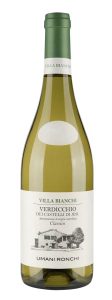
Photo courtesy of Umani Ronchi
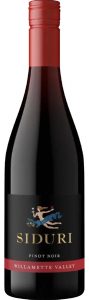
Photo courtesy of Siduri Wines
Then there’s Siduri Pinot Noir from the Willamette Valley. It’s been on The Chef’s Table’s wine list for 16 years and is still earning its spot. Crehan puts it simply: “Siduri has a very special place in our story. It was on our first wine order 16 years ago, and it keeps earning its place. The red fruit, the soft tannins, the earthiness. It brings exactly what this dish needs and always has.” This pour backs the Braciola di Maiale dish without overplaying it. The bone-in pork chop is served with creamy polenta, brussels sprouts roasted with pancetta, and a calvados demi glace that warms the edges. The Siduri lifts where it should lift and stays quiet where quiet works best.
Nothing about these pairings feels engineered. They work because the wines know their role and the food holds its ground. That balance is what makes them memorable. You think about it on the way out. Not because it was dramatic, but because it felt aligned. And alignment, in any form, is its own kind of love.