
ST. JOHNS COUNTY, Fla. – We are taking a look at how the new super speeder law, which went into effect on July 1, 2025, is having an impact on drivers and what it means.
The law creates harsher penalties for very high-speed driving. Penalties are criminal and increase for repeat convictions.
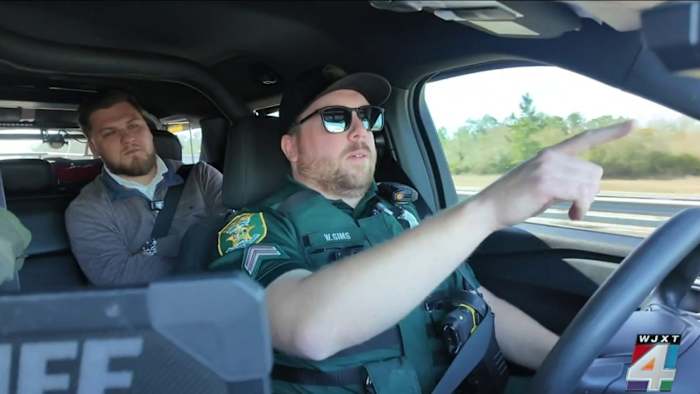
“There’s two different types of occurrences. So the first one occurs on the interstate, any type of highway, if they’re traveling over a hundred miles an hour and they pass multiple vehicles, persons or property and endangering those people. The other one is 50 miles an hours on any other roadway,” said Corporal Walker Sims with the St. Johns County Sheriff’s Office.
A first conviction carries up to 30 days in jail, a $500 fine, or both. A second or subsequent conviction carries up to 90 days in jail, a $1,000 fine, or both. A second or subsequent conviction within five years also triggers a driving-privilege revocation of at least 180 days and up to one year.
Records show 63 charging affidavits have been submitted in St. Johns County for excessive speeding since the “Super Speeder” law took effect in Florida last year.
“Most violators we’re seeing right now are getting arrested because their violations are so egregious,” said Sims.
By comparison, records show zero charging affidavits for ordinary speeding in 2024.
National Transportation Safety Board data from 2023 show Florida had 3,396 total traffic fatalities. Of those, 349 were classified as speeding-related — roughly 10% of the state’s traffic deaths, according to the NTSB table.
Deputies say they still try and use discretion.
“If they’re going to visit a family member who’s sick or whatever it may be, then I might give them the criminal citation and have them appear in court. It’s the same penalties at the end of the day,” Sims said.
Copyright 2026 by WJXT News4JAX – All rights reserved.