
Feb. 27, 2026, 3:21 p.m. ET
A Florida bill would mandate public disclosure of potential data center projects in communities.The legislation aims to address concerns over data centers straining local power and water supplies.The bill reduces the time developers can keep data center plans exempt from public records.
Public disclosure of whether a data center may be coming into a community would be mandated under a Florida bill, which cleared the Senate floor unanimously Feb. 26.
It’s part of Florida’s overall push to regulate data centers, and it was introduced in an amendment in response to rising concerns that the public won’t know whether a data center was being planned for near them.
Additionally, a revision presented by bill sponsor Sen. Bryan Avila also removed a developer’s capability to extend a public records exemption to development plans for data centers, facilities storing digital traffic with computer services, storage systems and equipment.
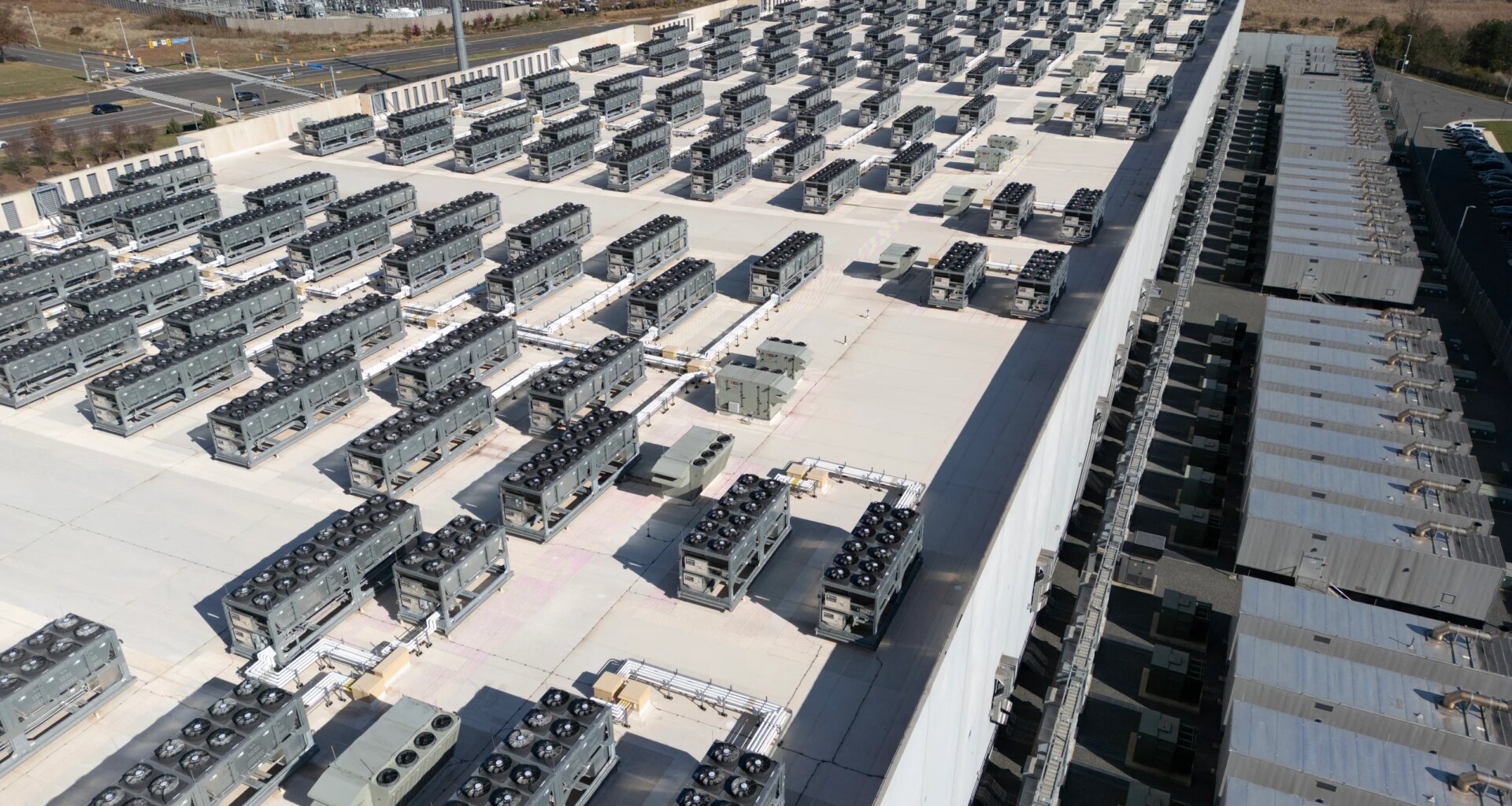
Opponents argue that large-scale data centers can strain local power grids and water supplies, drive up utility costs, generate noise and environmental impacts, and offer limited long-term economic benefits relative to the resources they consume. Most data centers rely on significant volumes of water for cooling systems, potentially stressing local water supplies in drought-prone or rapidly growing communities.
More: What is a data center? Here’s what it does, why it matters
Under existing Florida law, businesses could request a 12-month public records exemption for their plans or interests in expansion or construction. Although the measure still allows data center developers to request this exemption, the amendment removed the developer’s capability to seek an additional 12-month exemption from public records, for a total of two years.

But the community won’t know the exact location based on this change to the bill, Avila said on the Senate floor. “There is only a 12-month period, and after that, that’s where certainly the particulars would be public knowledge at that point,” Avila said.
The bill (SB 484) comes at a time when Republicans across the country are seeking to regulate artificial intelligence and data centers, and are sometimes split on whether the state should be handling its regulations versus the federal government under President Donald Trump – which seeks to support its growth rather than stifle it with legislation.
State policymakers want to ensure Florida residents wouldn’t be responsible for utility costs racked up by the artificial intelligence data centers. The overarching measure backed by Gov. Ron DeSantis to regulate AI data centers is gradually gaining more momentum through the Legislature; its House companion (HB 1007) had lagged for weeks but recently started sweeping through committees. Although this data center proposal is moving largely with bipartisan support among Florida lawmakers, the policy is staunchly opposed by Trump, who wants only the feds to regulate data centers.
Another bill linked to the data centers regulation is SB 1118, which specifically ensures that the plans, interests and intentions for locating data centers are exempt from public records. Avila’s office did not return a request for comment on how the amendment may affect public records exemptions.
Why is data center construction relevant in Florida?
Florida has more than 100 data centers, with developers continually looking across the state to enter its market.
One particular project, known as Project Tango, has faced outrage from Palm Beach County residents. This was originally a 1.8 million square-foot data center planned in the suburbs of western Palm Beach County, but was later reduced to 1 million square feet.
More: AI data center near Wellington gets icy reception at town hall meeting
Most of the outrage from residents is the center’s proximity to a local elementary school and its impact on water and electricity usage.
According to the project’s manager, the AI data center would use 5,000 gallons of water per day, but the facility’s electricity demand is unknown. The proposed legislation would bar most data centers from being built near homes and schools.
This reporting content is supported by a partnership with Freedom Forum and Journalism Funding Partners. USA Today Network-Florida First Amendment reporter Stephany Matat is based in Tallahassee, Fla. She can be reached at SMatat@usatodayco.com. On X: @stephanymatat.