
As a parent and someone who is heavily invested in the strength of my local community, I have spent a lot of time thinking about the basic building blocks of a healthy community: safe neighborhoods, strong schools and clear rules that protect kids.
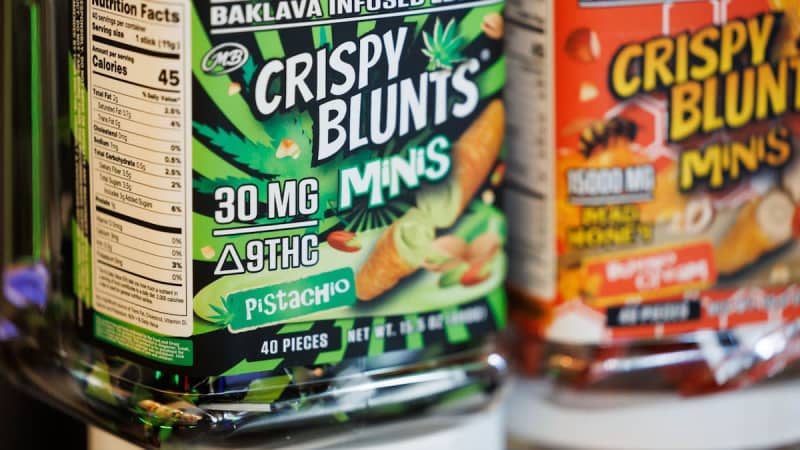
That’s why I’m alarmed by how easy it still is in Florida for “intoxicating hemp” products, often sold as gummies, candies, and sweet drinks, to end up in places and packaging that don’t look much different from everyday snacks. When something that can impair judgment is marketed like candy, it shouldn’t surprise anyone when children and teenagers get their hands on it.
The danger is real. America’s Poison Centers warns that children are more likely to experience severe toxicity from delta-8 THC poisoning, with symptoms that can include drowsiness, vomiting, confusion or hallucinations, and trouble walking. Additionally, the Florida Poison Information Center Network has highlighted increased delta-8 exposures, especially in children.
The federal government has finally moved to close the “hemp loophole” by tightening how hemp is defined. In late 2025, Congress changed the federal hemp definition to focus on “total THC” (not just delta-9), a major step toward reducing the flood of psychoactive hemp-derived products in everyday retail.
But here’s the part Florida parents should understand: that federal change doesn’t take effect until November 12, 2026.
With Florida’s legislative session underway, we have the opportunity right now to address the enforcement gap and be prepared for new federal regulations come November.
Florida should absolutely align with the direction the federal government has set. But alignment doesn’t happen automatically. If we wait until the effective date to decide how to enforce the new standard, we’ll end up scrambling and leaving retailers confused, law enforcement frustrated, and families unprotected.
To be fair, Florida has started to act. The Florida Department of Agriculture and Consumer Services has ramped up enforcement to remove products that violate child-protection standards through its “Operation Safe Summer” effort. This resulted in more than 155,000 illegal hemp packages being removed from store shelves across the state.
That shows this is a real problem in our communities. And it’s also evidence that enforcement can work when it’s prioritized.
Commissioner Wilton Simpson and the Florida Department of Agriculture and Consumer Services team deserve recognition for sending a clear message: Florida is not going to tolerate products that are packaged, marketed or sold in ways that put kids at risk.
Now the Legislature should take the next step: give regulators and law enforcement the clear tools they need to finish the job and prepare Florida for the new federal framework.
That means Florida should pair the rules we already have with consistent, meaningful enforcement: real age-gating and real consequences for retailers who sell to minors or fail to check ID; stronger crackdowns on kid-attracting packaging and marketing, including candy-like branding and products designed to mimic treats; and clear testing and labeling expectations that are easy to verify at retail so consumers know what they’re buying and regulators can spot bad actors quickly. Just as important, Florida needs a focused enforcement plan now so that when the federal definition changes in November 2026, the state isn’t playing catch-up.
Most Floridians can agree on one simple principle: if a product can intoxicate you, children should not be able to buy it at the corner store, and it shouldn’t be packaged in a way that looks like it belongs in a lunchbox.
Lawmakers and Gov. Ron DeSantis have an opportunity to get ahead of this.
Let’s follow the federal government’s lead, but let’s also recognize what federal action can’t do on its own: enforce the rules inside Florida’s communities, in Florida’s stores, with Florida’s resources.
If Florida steps up now by strengthening enforcement, clarifying standards, and preparing for what’s to come, we can protect kids, support responsible businesses, and bring common sense back to a market that has moved too fast without enough guardrails.
Julio Fuentes is president and CEO of the Florida State Hispanic Chamber of Commerce.