
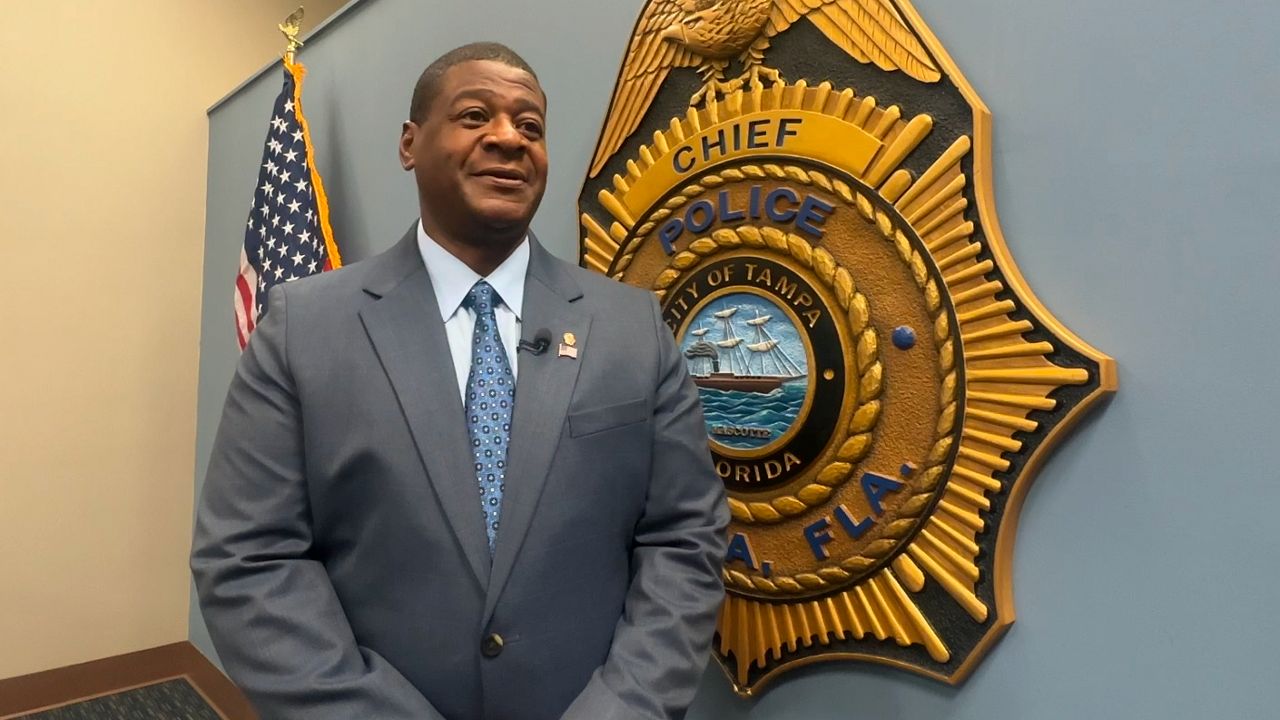
TAMPA, Fla. — One year after neighborhoods in East Tampa adopted a crime prevention strategy focused on environmental design, police say the results are measurable.
What You Need To Know
East Tampa has seen an 18% reduction in overall crime since adopting Crime Prevention Through Environmental Design, or CPTED one year ago
The strategy focuses on environmental changes like improved lighting and trimmed landscaping to reduce crime opportunities
Tampa was an early national leader in CPTED, and officials say community collaboration remains critical to continued success
Tampa Police Department is one of the first police departments in the country to create a separate CPTED unit within the organization
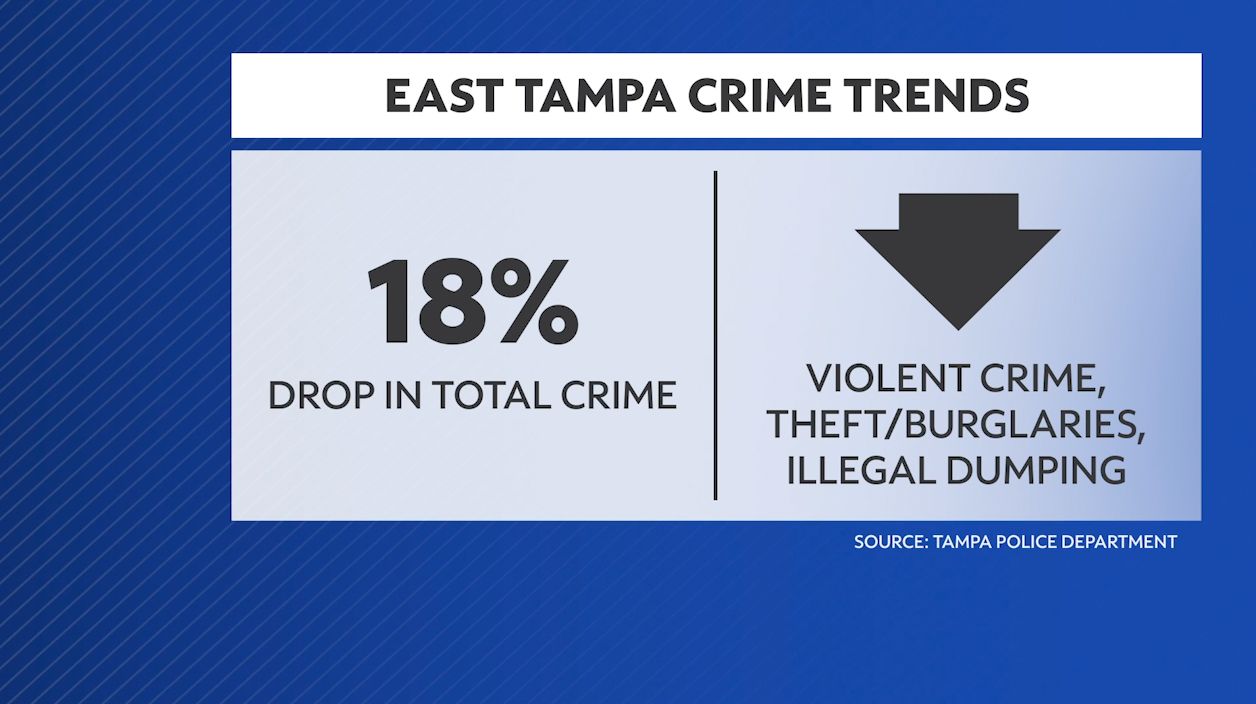
According to the Tampa Police Department, East Tampa has seen an 18% reduction in overall crime since implementing Crime Prevention Through Environmental Design, or CPTED. The reduction includes violent crime, theft and illegal dumping.
Throughout the Jackson Heights neighborhood, association president Fran Tate points to the trimmed landscaping as one visible change.
“You see where a whole row of trees has been cut back,” Tate said.
The goal for her is simple: to improve lighting and eliminate spaces where crime can occur and go unnoticed by deputies.
“To a criminal, that says, ‘This is not the right area for me to handle my business in,’” Tate added.
CPTED focuses on proactive prevention by modifying the physical environment. District 3 Environmental Detective Andrew Washington, who is CPTED certified, says the strategy trains residents to recognize opportunities to reduce crime — from tree trimming to improved lighting.
“If you take away the elements, so if you take away the opportunity for crime, the cost for service goes down,” Washington said. “And on top of that, also, the community actually gets to enjoy the neighborhood that they live within.”
Tampa has long been ahead of the curve when it comes to this approach.
Art Hushen, founder of the National Institute of Crime Prevention and executive director of the U.S. CPTED Association, says the Tampa Police Department was one of the first in the country to create a separate CPTED unit.
“And the Tampa Police Department is one of the first police departments in the country to create a separate CPTED unit within the organization,” Hushen said.
Hushen, a former Tampa police officer who helped assemble the unit in 2005, says cities across the country are now following Tampa’s model. He points to significant reductions in gun violence in places like Buffalo and Baltimore after adopting similar strategies.
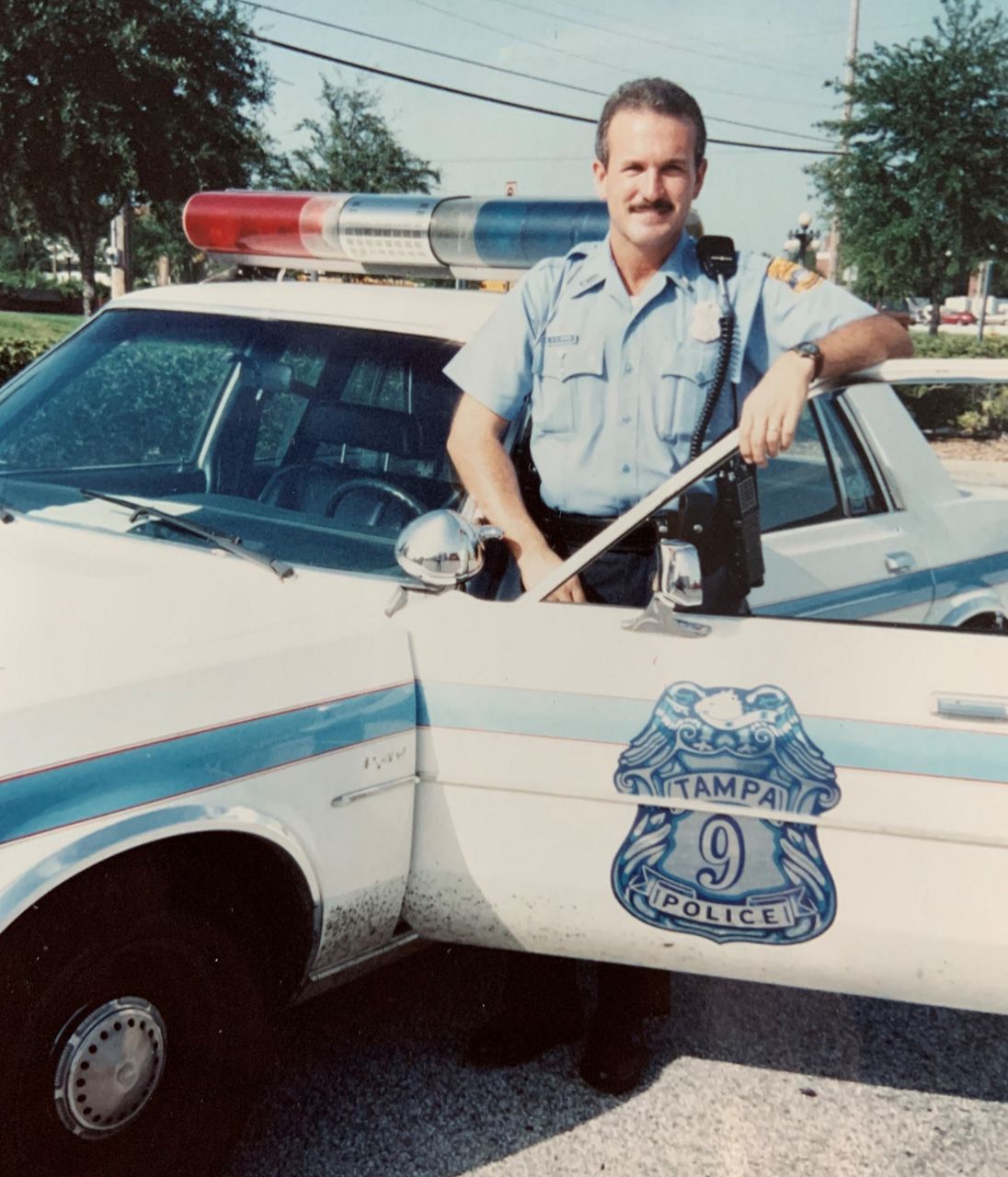
Art Hushen, a former Tampa police officer who helped assemble the unit in 2005, says cities across the country are now following Tampa’s model. (Photo provided)
Locally, Washington says collaboration between residents and law enforcement remains key.
“So the more eyes that we can get working with the police department, the more safer the community will be,” Washington said.
For Tate, the effort has been worth the investment.
“And it has paid off tremendously,” Tate said.
Site assessments are still underway for neighborhoods interested in adopting the strategy. Residents can find more information about training opportunities through the Tampa Police Department.