
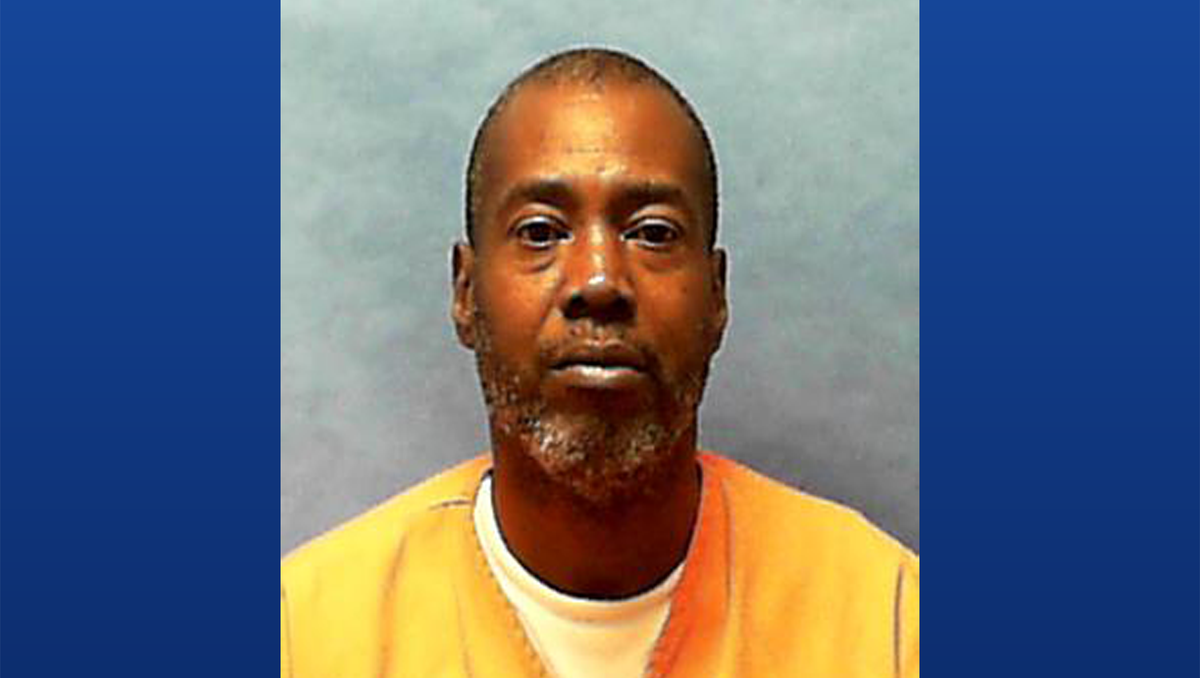
The defense for a man in Florida scheduled to be executed on Tuesday filed a motion with the U.S. Supreme Court to pause the execution.According to court documents filed on Saturday, Suzanne Myers Keffer, an attorney with the National Legal Aid & Defender Association’s Capital Collateral Regional Counsel, filed on behalf of Billy Leon Kearse, that his execution should be paused because of constitutional violations.Kearse’s defense argues that the death sentence violated the Sixth, Eighth and Fourteenth Amendments of the United States Constitution.CLICK HERE TO READ THE REQUEST TO STOP EXECUTIONKearse argues that his right to an impartial jury was violated after a voluntary social media post made by a juror at Kearse’s capital resentencing proceeding.According to the court filing, the juror who made the post online was aware of Kearse’s death warrant that was signed and revealed that the courtroom at the resentencing proceeding was “filled with law enforcement officers from around the state.” Your neighborhood: Local coverage from WPBF 25 NewsThe post by the juror allegedly went on to state, “the juror also expressed how much she was affected by the law enforcement presence in the courtroom.”Kearse’s defense argues the resentencing was subjected to improper influences that tended to subvert its purpose.The defense argues that the incident with the juror violated the Sixth Amendment, which states in part, “the accused shall enjoy the right to a speedy and public trial, by an impartial jury of the State and district wherein the crime shall have been committed.”A second argument the defense is that new evidence shows that Kearse’s recent IQ test score along with a history of documented adaptive deficits that happened before the age of 18, including when Kearse was arrested, makes Kearse intellectually disabled.The defense argues his execution violates the Eighth Amendment, which does not allow for cruel and unusual punishment.Part of the Fourth Amendment notes that, “nor shall any State deprive any person of life, liberty, or property, without due process of law; nor deny to any person within its jurisdiction the equal protection of the laws.”Scott A. Browne, the Chief Assistant Attorney General for The Office of Florida Attorney General James Uthmeier, filed the state’s response to the stay on Monday.The state argued that Kearse’s questions do not merit the U.S. Supreme Court’s review, and the court should deny a pause the execution.Get the latest news updates with the WPBF 25 News app. You can download it here.The state argued in the filing that the claims related to the resentencing trial and his mental capacity should have been appealed earlier. CLICK HERE TO READ THE STATE’S RESPONSE TO STOP EXECUTIONThe state noted that the Florida Supreme Court, “found both claims untimely and procedurally barred, forestalling any possible relief.”Florida Gov. Ron DeSantis signed a death warrant for Kearse, 53, on Jan. 29. Kearse was convicted of a January 1991 murder of Fort Pierce Police Department officer Danny Parrish during a traffic stop.In March 1997, Kearse was sentenced to death. If the stay is denied by the U.S. Supreme Court, Kearse is scheduled to be executed Tuesday at 6 p.m. inside the Florida State Prison in Raiford.
WASHINGTON —
The defense for a man in Florida scheduled to be executed on Tuesday filed a motion with the U.S. Supreme Court to pause the execution.
According to court documents filed on Saturday, Suzanne Myers Keffer, an attorney with the National Legal Aid & Defender Association’s Capital Collateral Regional Counsel, filed on behalf of Billy Leon Kearse, that his execution should be paused because of constitutional violations.
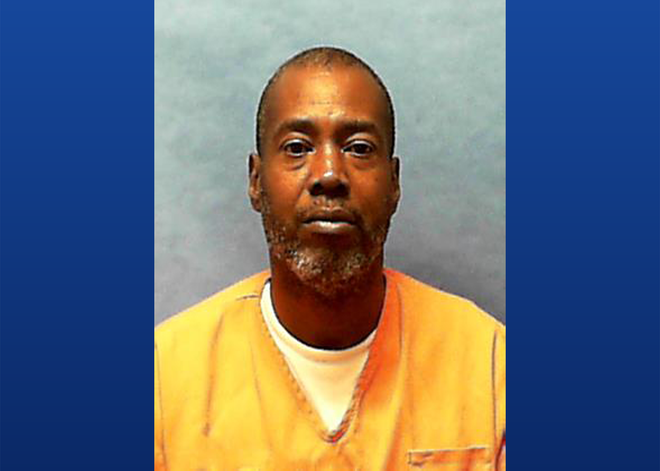
Florida Department of Corrections
Billy Leon Kearse
Kearse’s defense argues that the death sentence violated the Sixth, Eighth and Fourteenth Amendments of the United States Constitution.
CLICK HERE TO READ THE REQUEST TO STOP EXECUTION
Kearse argues that his right to an impartial jury was violated after a voluntary social media post made by a juror at Kearse’s capital resentencing proceeding.
According to the court filing, the juror who made the post online was aware of Kearse’s death warrant that was signed and revealed that the courtroom at the resentencing proceeding was “filled with law enforcement officers from around the state.”
Your neighborhood: Local coverage from WPBF 25 News
The post by the juror allegedly went on to state, “the juror also expressed how much she was affected by the law enforcement presence in the courtroom.”
Kearse’s defense argues the resentencing was subjected to improper influences that tended to subvert its purpose.
The defense argues that the incident with the juror violated the Sixth Amendment, which states in part, “the accused shall enjoy the right to a speedy and public trial, by an impartial jury of the State and district wherein the crime shall have been committed.”
A second argument the defense is that new evidence shows that Kearse’s recent IQ test score along with a history of documented adaptive deficits that happened before the age of 18, including when Kearse was arrested, makes Kearse intellectually disabled.
The defense argues his execution violates the Eighth Amendment, which does not allow for cruel and unusual punishment.
Part of the Fourth Amendment notes that, “nor shall any State deprive any person of life, liberty, or property, without due process of law; nor deny to any person within its jurisdiction the equal protection of the laws.”
Scott A. Browne, the Chief Assistant Attorney General for The Office of Florida Attorney General James Uthmeier, filed the state’s response to the stay on Monday.
The state argued that Kearse’s questions do not merit the U.S. Supreme Court’s review, and the court should deny a pause the execution.
Get the latest news updates with the WPBF 25 News app. You can download it here.
The state argued in the filing that the claims related to the resentencing trial and his mental capacity should have been appealed earlier.
CLICK HERE TO READ THE STATE’S RESPONSE TO STOP EXECUTION
The state noted that the Florida Supreme Court, “found both claims untimely and procedurally barred, forestalling any possible relief.”
Florida Gov. Ron DeSantis signed a death warrant for Kearse, 53, on Jan. 29. Kearse was convicted of a January 1991 murder of Fort Pierce Police Department officer Danny Parrish during a traffic stop.
In March 1997, Kearse was sentenced to death. If the stay is denied by the U.S. Supreme Court, Kearse is scheduled to be executed Tuesday at 6 p.m. inside the Florida State Prison in Raiford.