
Strikes in Iran are having a very real impact thousands of miles away. Members of Central Florida’s Iranian community say they are struggling to reach family and friends amid internet shutdowns, safety concerns and escalating violence.Several Iranian Americans in the region said communication with loved ones in Iran has been extremely limited, with internet and Wi-Fi cut off in some areas and residents being told to stay inside their homes.“As the conflict continues, the anxiety is constant,” said Faramarz Sadri, president of the Iranian-American Community Center of Central Florida. “We have individuals and families who have direct connections with those who have perished.”Sadri said connecting with loved ones in Iran has become increasingly difficult, describing communication as “almost impossible” due to poor or nonexistent internet access.“Currently, it’s almost impossible to communicate with anyone locally,” he said.Beyond physical safety, Sadri said many Iranians fear speaking openly, even when communication is available.“In a historical perspective, even when they could communicate, they were always very careful about what they say,” Sadri said. “You never know who’s listening.”He added that people inside Iran are being told to remain indoors, creating additional fear and uncertainty. Basic needs are also becoming a growing concern.“The problem is going to be the basic necessities such as food, transportation, and schools for children,” Sadri said.Despite the fear, Sadri said his hope goes beyond an end to the violence.“We wish for a future of peace,” he said. “We wish for a future of prosperity and all of the human rights that we enjoy in America.”Florida State Rep. Anna Eskamani also said she has family in Iran and has faced similar challenges trying to reach them due to widespread internet disruptions.Meanwhile, Dr. Houman Sadri, a University of Central Florida professor who has studied Iran for more than 30 years, said the crisis feels deeply personal.“So people are trying to be careful, trying to stay inside,” he said.Sadri said he has friends currently in Iran who are limiting their movement out of fear of missile strikes.“People right now are not getting into the streets as much because they are really worried about these missiles,” he said.Though he has spent decades analyzing Iran as a scholar, Sadri said watching the conflict unfold while worrying about friends is different.“These people deserve better,” he said. “They have been promised for 47 years, and none of those promises have come true.”For many Iranians in Central Florida, the uncertainty is compounded by distance and silence. With communication inconsistent and information limited, families say they are left waiting, hoping for updates, safety and peace.“There is a lot of anxiety,” Sadri said. “We’re watching from afar, and it’s very difficult.”
ORLANDO, Fla. —
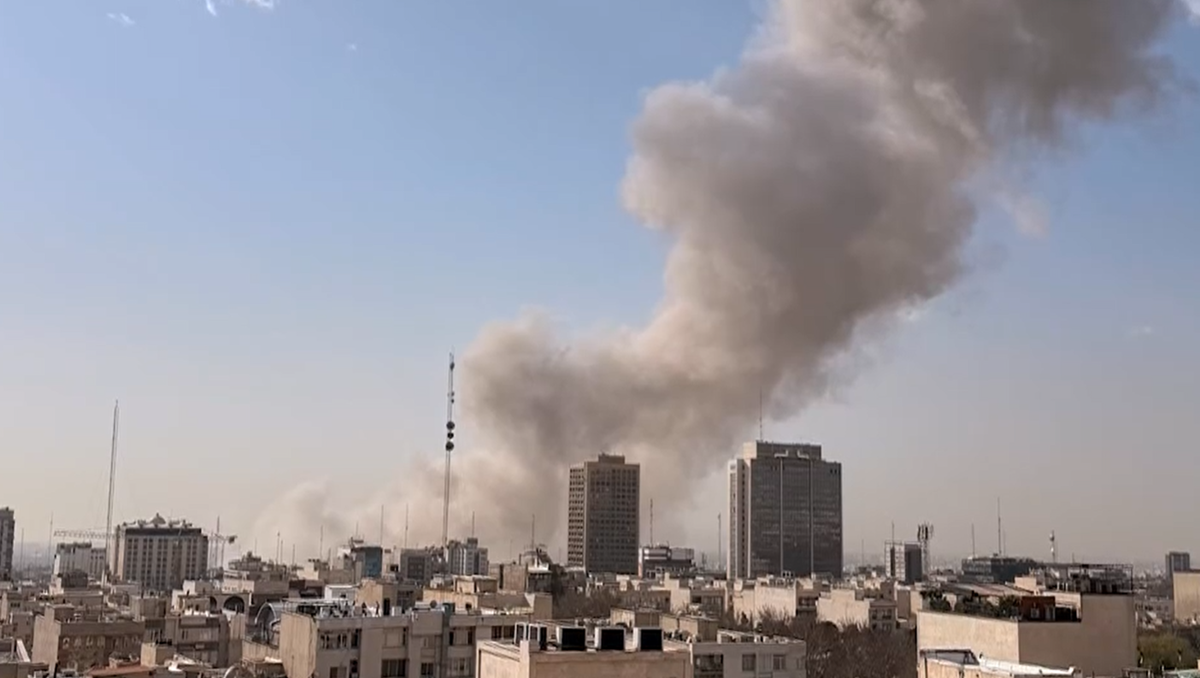
Strikes in Iran are having a very real impact thousands of miles away.
Members of Central Florida’s Iranian community say they are struggling to reach family and friends amid internet shutdowns, safety concerns and escalating violence.
Several Iranian Americans in the region said communication with loved ones in Iran has been extremely limited, with internet and Wi-Fi cut off in some areas and residents being told to stay inside their homes.
“As the conflict continues, the anxiety is constant,” said Faramarz Sadri, president of the Iranian-American Community Center of Central Florida. “We have individuals and families who have direct connections with those who have perished.”
Sadri said connecting with loved ones in Iran has become increasingly difficult, describing communication as “almost impossible” due to poor or nonexistent internet access.
“Currently, it’s almost impossible to communicate with anyone locally,” he said.
Beyond physical safety, Sadri said many Iranians fear speaking openly, even when communication is available.
“In a historical perspective, even when they could communicate, they were always very careful about what they say,” Sadri said. “You never know who’s listening.”
He added that people inside Iran are being told to remain indoors, creating additional fear and uncertainty. Basic needs are also becoming a growing concern.
“The problem is going to be the basic necessities such as food, transportation, and schools for children,” Sadri said.
Despite the fear, Sadri said his hope goes beyond an end to the violence.
“We wish for a future of peace,” he said. “We wish for a future of prosperity and all of the human rights that we enjoy in America.”
Florida State Rep. Anna Eskamani also said she has family in Iran and has faced similar challenges trying to reach them due to widespread internet disruptions.
Meanwhile, Dr. Houman Sadri, a University of Central Florida professor who has studied Iran for more than 30 years, said the crisis feels deeply personal.
“So people are trying to be careful, trying to stay inside,” he said.
Sadri said he has friends currently in Iran who are limiting their movement out of fear of missile strikes.
“People right now are not getting into the streets as much because they are really worried about these missiles,” he said.
Though he has spent decades analyzing Iran as a scholar, Sadri said watching the conflict unfold while worrying about friends is different.
“These people deserve better,” he said. “They have been promised for 47 years, and none of those promises have come true.”
For many Iranians in Central Florida, the uncertainty is compounded by distance and silence. With communication inconsistent and information limited, families say they are left waiting, hoping for updates, safety and peace.
“There is a lot of anxiety,” Sadri said. “We’re watching from afar, and it’s very difficult.”