
ORLANDO, Fla. — The conflict in the Middle East has left people stranded in the region as airspaces remain closed down across much of the area. And that includes some travelers from Central Florida.
What You Need To Know
A Central Florida family is stranded in Qatar due to regional unrest
Airspaces are closed, and no evacuation plan is in place for U.S. citizens
The Qatar government is covering their hotel stay and food expenses
The family registered with the U.S. State Department’s STEP program before traveling
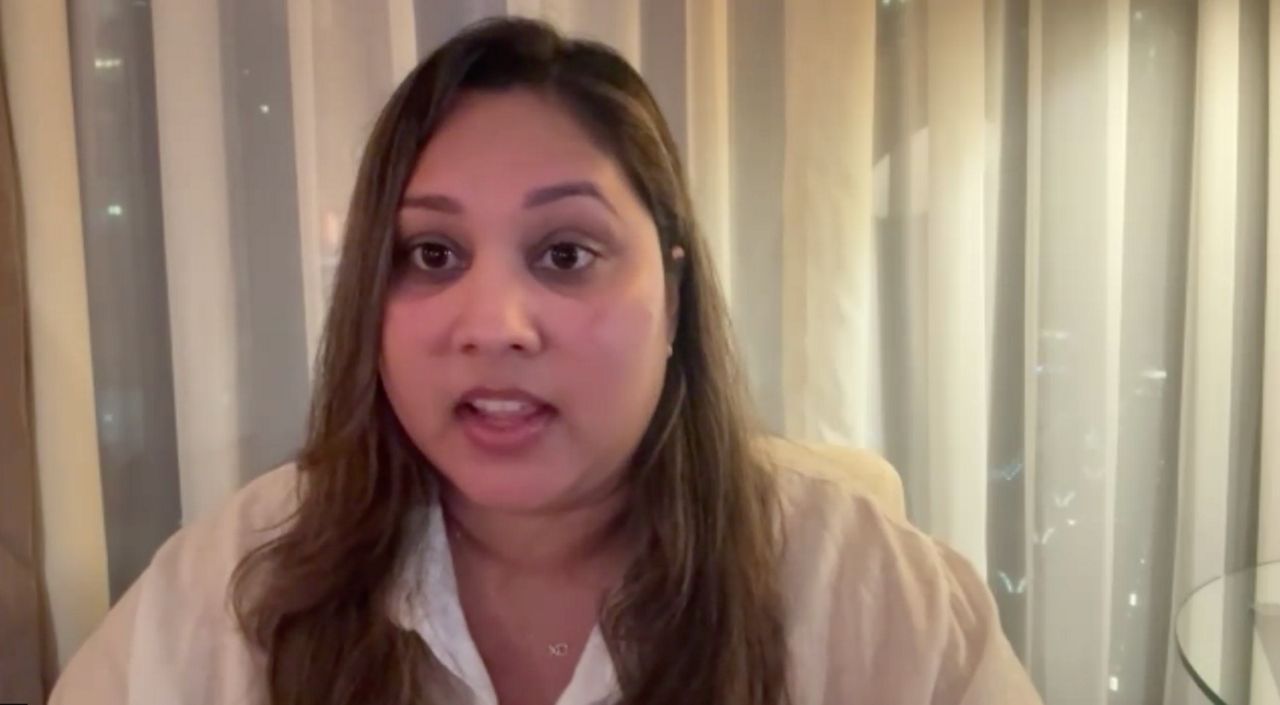
Sarita Maharaj and her family were on their way to Thailand for a vacation, but their one night stopover in Qatar was right when conflict broke out in the region. They are now stuck in Qatar’s capital of Doha, which is just about 150 miles across the Persian Gulf from the southern coast of Iran.
Sarita Maharaj shared cell phone video of missiles flying above her hotel.
“We could see, feel, hear it — it was extremely scary,” said Maharaj.
She and her husband, her parents, and in-laws — all who live in Central Florida — are sheltering place in Qatar.
“We could see the missile interceptions happening from our hotel,” said Maharaj. “We could actually feel it from our hotel room, the windows vibrating. We would wake up throughout the night with the loud explosions.”
She says luckily, Qatar now seems to be intercepting incoming missiles further out away from where they are, but they can still hear and see those missiles in the distance.
“We get very minimal sleep because you do wake up sometimes and hear the explosions and any noise you hear, you think it’s something close by and you don’t know what happens next,” said Maharaj.
In the meantime, it’s hurry up and wait.
“We spend most days doing a lot of logistics work, like calling the airlines,” said Maharaj. “We’ve spent as long as three hours on hold to get new flights to book or information on our flights.”
But so far, no word on when airspaces will open back up, or when they’ll get a flight out.
“It’s really scary, it’s nerve-wracking; we’ve never experienced anything like this,” said Maharaj.
She says the Qatar government is paying for their extended hotel stay, and food. They are also working to stay in touch with the U.S. embassy.
“We haven’t received any further information,” said Maharaj. “At this time there is no evacuation plan for U.S. citizens out of Doha, or Qatar.”
Maharaj and her family registered with the U.S. State Department’s STEP program a week before they left for their trip, something that’s recommended for any Americans traveling abroad.
The program is designed as a safety net for U.S. citizens abroad, so the U.S. can know where travelers are and can help them if needed.
But right now, Maharaj says they haven’t gotten any further instructions from U.S. officials beyond instructions to shelter in place. She says they were told if they were able to somehow get out of Qatar on their own, they would be doing so at their own risk.
Maharaj says at this point they aren’t worried about that vacation to Thailand. She says they are just hoping to get out of the Middle East, and hopefully safe and sound in Central Florida.