
At its Thursday meeting, the St. Petersburg City Council approved the updated Palmetto Park Neighborhood Plan.
Located west of downtown St. Pete, the neighborhood encompasses approximately 407 acres and is in close proximity to the Historic Gas District and The Deuces. It is also a component of the South St. Petersburg Community Redevelopment Area – an initiative designed to encourage reinvestment in housing, business development and education in certain communities.
According to the City’s neighborhood relations manager Kayleigh Sagonowsky, the original plan was written in 1992.
Engagement activities such as community workshops and an online survey were essential in the updating process. These interactive efforts began in late 2023. The St. Petersburg government partnered with Orlando-based consultant Inspire Placemaking Collective on the project.
“These plans not only help us identify residents’ priorities,” she explained at the Thursday meeting, “but also their shared vision for the neighborhood.”
Key themes discussed included connectivity, walkability and bikeability.
More connections to the Pinellas Trail were requested. Additionally, individuals wanted to better “integrate” the trail into the neighborhood by “adding pocket parks or businesses,” according to the plan.
Residents also signified that they wanted more housing options, small business support and recreational amenities. They suggested more “placemaking efforts” – including adding more public art to the neighborhood as well as “consistent engagment” with the South St. Petersburg Community Redevelopment Agency.
Sagonowsky explained that Inspire Placemaking Collective outlined phased implementation recommendations in three segments: strategic initiatives, capital improvement projects and programming initiatives.
Based on feedback, the firm suggested sidewalk repair or new installations, the addition of bike lanes and more signalized crosswalks. Additionally, it recommended that the City considers intersection and Pinellas Trail connectivity improvements.
Adding more wayfinding and gateway signage could “guide residents and visitors to key community assets, such as parks, cultural centers and historic sites – fostering a sense of discovery and connection,” according to the plan.
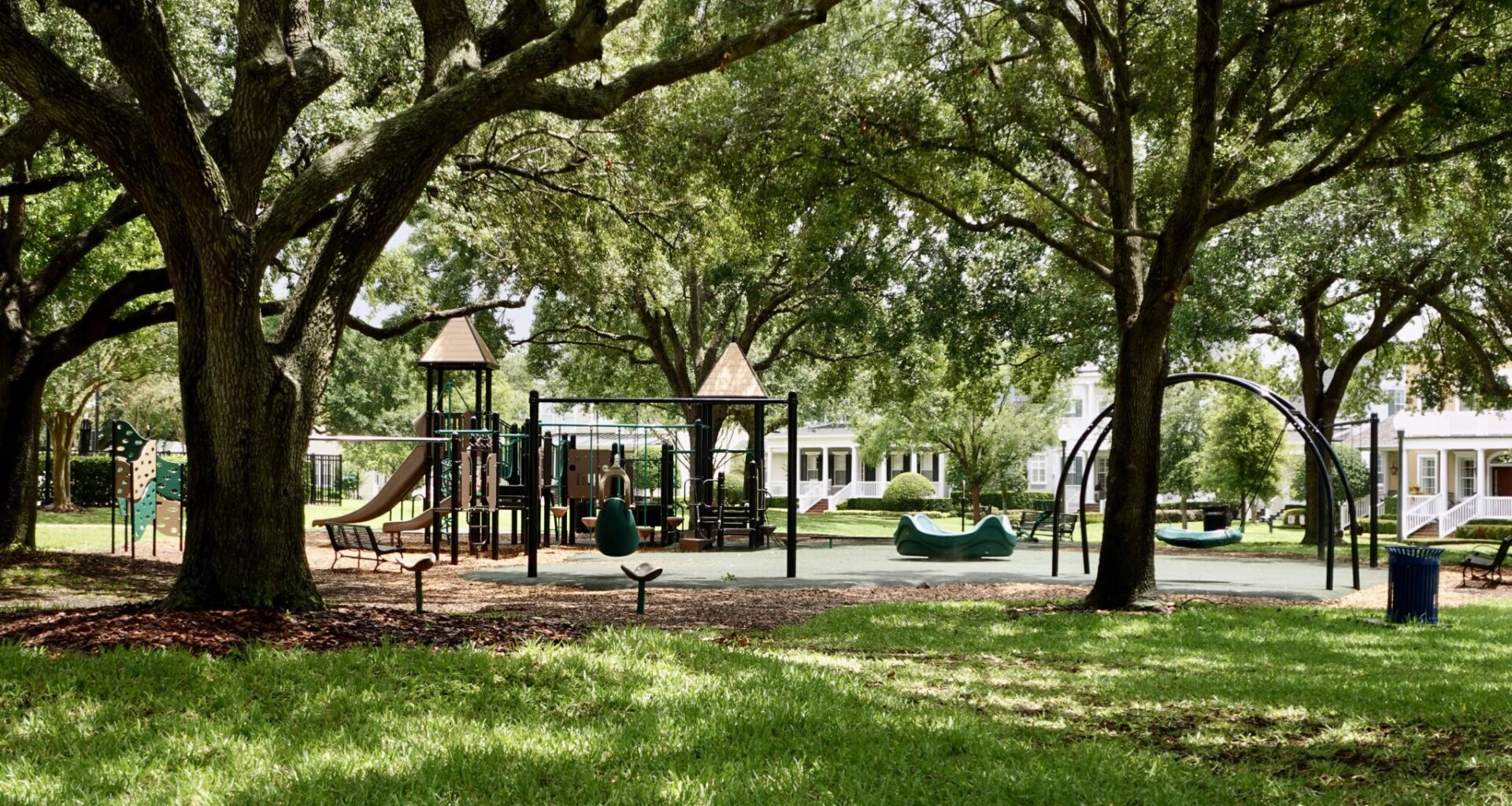
Recreational amenity updates, such as improving the existing playground and community garden, were discussed as well.
Residents were also interested, she said, in increasing food access. The plan states that there is an opportunity to host farmer’s markets or increase grocer or restaurant options.
Sagonowsky added that additional mixed-use, multi-family infill developments are desired.
Additionally, workshop and survey participants wanted certain safety issues such as illegal dumping addressed. Inspire Placemaking Collective suggested utilizing the St. Petersburg Police Department to assist. Implementing Crime Prevention Through Environmental Design strategies, such as pedestrian scale lighting and properly maintained landscaping, could be beneficial as well.
“When people know that a neighborhood is well taken care of,” she said, “they are less likely to commit crimes in the area.”
In December, the plan received approval from the South St. Petersburg Community Redevelopment Area’s Citizen Advisory Committee. Community Planning and Preservation Commission consent was given in February.
The City and Inspire Placemaking Collective have explored financing options for the plan. These include Neighborhood Enhancement Project funds and the Neighborhood Partnership Matching Grant (from the City’s Neighborhood Relations budget). Additionally, Neighborhood Planning Program funds (provided under the South St. Petersburg Community Redevelopment Area budget) could be used.