
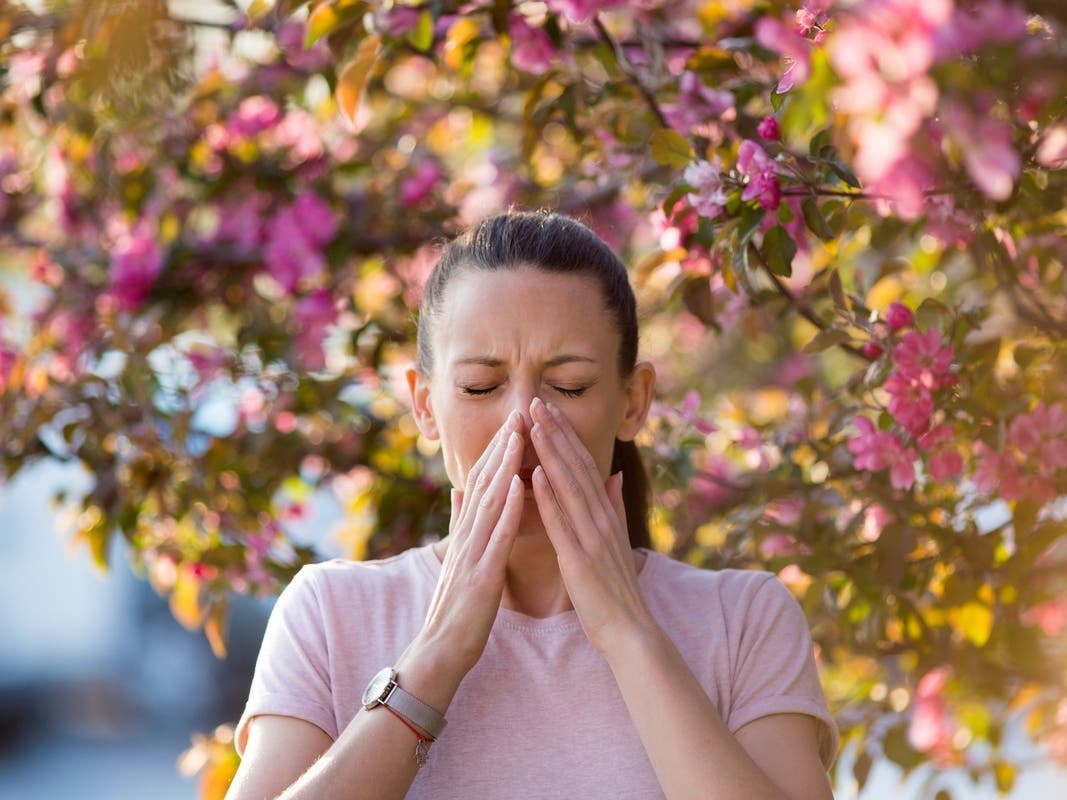
Allergy sufferers in Florida should prepare for a mid-March peak in tree pollen, according to a new forecast that predicts an early start and potentially more intense allergy season in many parts of the country.
Warmer temperatures and early spring conditions are driving the early start, the private weather company AccuWeather said in its 2026 allergy forecast.
Alan Reppert said weather conditions both locally and hundreds of miles away can significantly influence pollen levels and allergy symptoms.
“Temperature and rainfall determine how much pollen is released and how quickly levels spike,” Reppert said. “Heavy rain can temporarily clear the air, but just a few dry, breezy days can send counts surging. Strong winds can carry pollen dozens to hundreds of miles, lifting it thousands of feet into the atmosphere before it settles back to the ground.”
Here’s what AccuWeather predicts for Florida:
While an average amount of tree pollen is expected across the state in mid-March, a low average amount of grass pollen may not sprout until around May.
Weed pollen may be average across Florida in August.
If you’re planning to travel, here’s what AccuWeather’s allergy forecast looks like for the rest of the country:
Northeast
Tree pollen could remain lower than average early in the season due to a colder start and less rainfall. Later in the year, weed pollen is also expected to be limited, although sporadic rain events might cause brief spikes.
Gulf Coast And Southeast
Some areas along the Gulf Coast may experience above-average grass pollen for a period, though frequent rain could help keep sustained high levels in check.
Locally high pollen counts have already been reported in Florida, with oak, juniper, pine and grass contributing to some of the highest readings so far this year.
Ohio Valley And Midwest
Several Midwest cities are already seeing moderate or high pollen levels, and spring rains are expected to bring some highest tree pollen levels of the season.
Grass pollen may spike early across the northern Plains and Great Lakes including areas around Chicago, St. Louis and Minneapolis.
South
Tree pollen is already rising across much of the region, especially southern California, southern Arizona and the Gulf Coast. Levels are expected to climb earlier than usual as warmth spreads northward. Warm, early spring conditions are triggering earlier-than-normal allergy symptoms for many people in the South.
Plains
Tree pollen might start more slowly than normal, but residents should still prepare for short periods of exceptionally high pollen before levels drop. Weather swings, including wind and rain, will influence local pollen bursts.
Rockies And Intermountain West
Weed pollen from ragweed and sagebrush is expected to be intense due to delayed cold weather and higher rainfall, although the allergy season may wrap up slightly earlier than normal.
Pacific Northwest
Tree pollen season may begin earlier than usual and remain elevated for multiple weeks, with high levels possible in Seattle and Portland, Oregon.
Tips To Manage Allergies
Here are practical tips to help manage allergy symptoms:
Track daily pollen forecasts, especially during tree and grass pollen peaks. During these times, limit outdoor activity when counts are highest, typically at mid-morning on dry, windy days. Plan outdoor activities after rain, when pollen is temporarily lower.
Reduce indoor exposure to pollen by keeping windows closed during peak pollen times, using air conditioning with a clean HEPA filter, showering and changing clothes after being outdoors to avoid bringing pollen inside, and washing bedding weekly in hot water.
When you must be outside, wear sunglasses to shield your eyes, consider wearing a mask when mowing the yard or gardening, and avoid drying clothes outside during peak pollen season.
Experts also advise that people with predictable seasonal allergies start on antihistamines or nasal corticosteroids before peak season. Saline nasal rinses are effective at flushing pollen from nasal passages. Health care providers can also provide advice about allergy shots if symptoms are severe or long-lasting.