
In Wendell Berry’s novel “Jayber Crow,” Jayber finds himself experiencing grief and loss more frequently as he advances in years. Reflecting on that reality, he says, “I have had to grow more accustomed to the presence of absence.” I have never come across a better description for grief, for the pain we experience when significant losses occur. Having lost my Dad a month ago, this is a fresh, raw truth I am only beginning to comprehend.
Even so, the presence of absence can be felt beyond our relationships with others. As I look at the landscape of the church in America, churches are leaving city-center, downtown locations in droves, and those urban cores are left to cope with the presence of that absence. Tim Keller, the late pastor of Redeemer Presbyterian in New York City, wrote “Cities, quite literally, have more of the image of God per square inch than any other place on earth. How can we not be drawn to such masses of humanity if we care about the same things God cares about?” I believe the church, more than ever, should be investing in our urban cores. Instead, those urban cores are left to cope with the church’s growing absence.
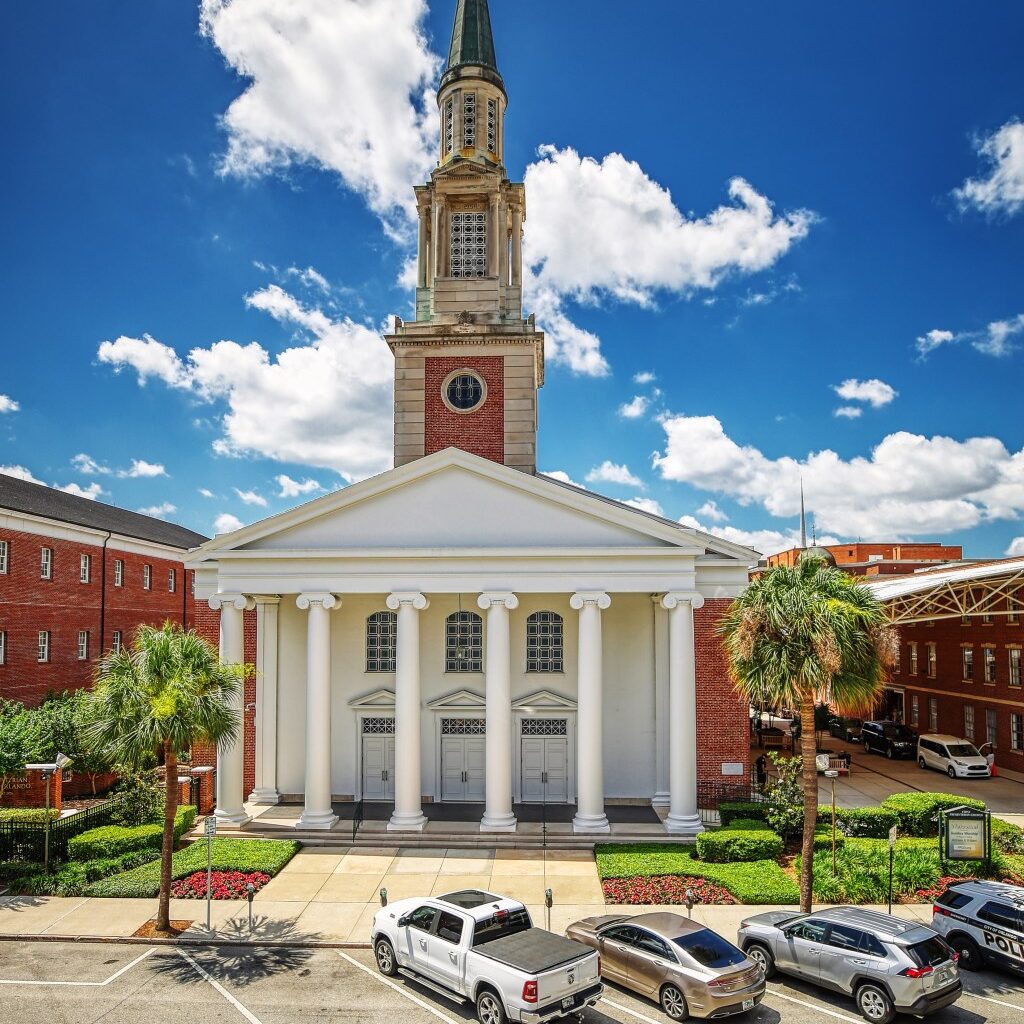
City centers matter. City centers are where culture is formed, where ideas are shared, where we are thrown together with people just like us and not like us at all. It is where you find the gamut of human experience, the full spectrum of every human need, in one highly concentrated area. For that reason, I think a small milestone taking place in our community this week is worth acknowledging, and yes, even celebrating. This week, First Presbyterian Church celebrates her 150th anniversary of ministry in downtown Orlando, a feat made more remarkable because of her location.
It has been my privilege to serve as the pastor of this church for nearly 22 years. In that time, I have watched generations of families continue what their predecessors did: they committed to the call of God in serving and loving our city. For 15 decades, we have survived fires, hurricanes, depressions and recessions, world wars, a global pandemic, and the changing winds of time to continue loving and serving this community and beyond. Surviving and thriving for 150 years requires ongoing commitment, generosity, leadership and the unique ability to adapt repeatedly without drifting from or losing one’s core values.
Over many decades, we have planted seven churches with five of those in the Orlando area, we helped launch downtown ministries like The Christian Service Center, iDignity, The Weekday School, The Christ School, Westminster Towers and the Heart of the City Foundation, and we have contributed millions of dollars to alleviating basic human suffering while offering our human capital on numerous boards and committees to grow relationships and foster creative problem-solving.
 David Swanson
The reason I believe this week matters in our city is because were First Presbyterian to ever be lost, this city would feel the presence of her absence. The good news is, we are fully committed to remaining here. This Sunday, I will ask our people to do what we have done for generations: to commit once more to fulfilling God’s call to love and serve in our city center. I will ask them to continue putting up with the small inconveniences of being downtown: parking garages and driving distance and increased costs and encountering actual people in need.
I will ask them to remember it is in our urban core where we are needed, where we sit at the foot of city and county government, business and enterprise, the arts and culture. It is why our little outpost for the Kingdom of God matters. I will ask them to stay the course for many years ahead, building for themselves a spiritual family “commending the mighty acts of God to the next.” (Psalm 145:4) I pray that Orlando will never know the presence of the absence of the saints at First Presbyterian Church, and may God bless us with many fruitful years to come.
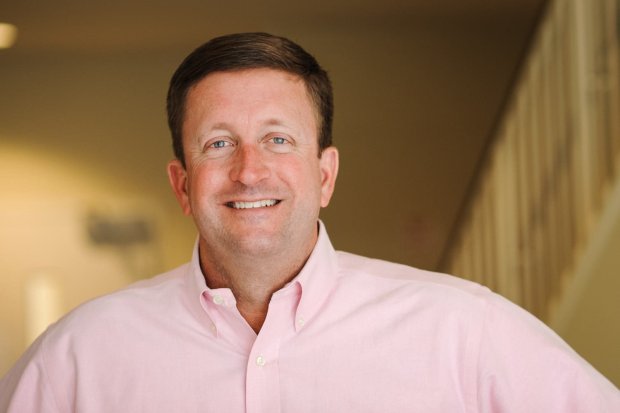
David Swanson is senior pastor of First Presbyterian Church of Orlando.