
By Robin Greenfield
Food and medicine is growing freely and abundantly here in Florida!
For one year, I am living without grocery stores or restaurants – not even a garden. I’m foraging 100% of my food, down to the salt, oil and spices.
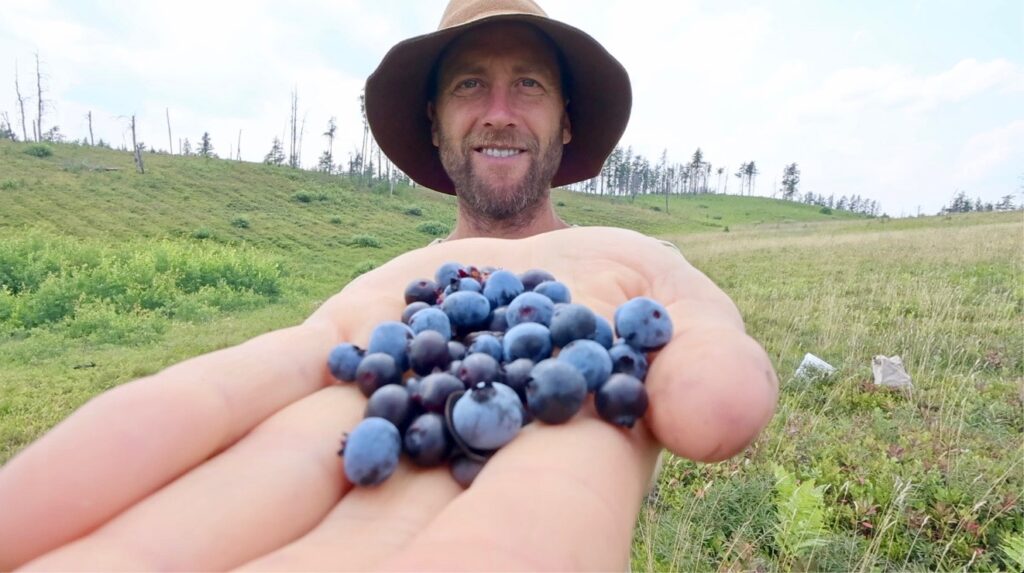 Robin Greenfield showing blueberries that he harvested. (Photo courtesy of Robin Greenfield)
Every day, we Floridians pass by dozens of plants, some that we notice and many that we don’t, that are both nutritious and delicious. They are growing in our yards, our public parks, our wild spaces and everywhere in between.
These are the plants that are making up my diet during my winter in Florida.
I’d like to share a few of these plants with you. But first, some would ask, “Why give up the convenience and comfort of the supermarket?”
For me, the answer is simple. Most of the food from our global industrial food system that we find in the aisles of the grocery stores cause immeasurable harm to Earth, to the plants and animals we share this home with and even to ourselves. I want to break free from all of that and live in harmony with Earth.
In 2017, I settled in Orlando, where I turned front yards into gardens and grew over 100 different foods and medicines, along with 200 plants that I foraged from nature. It was a powerful experience of reconnecting with Earth. This time though, I have no garden. The Earth is my garden!
My diet in Florida for the last two months has been made up of the giant wild yams; coconuts for milk and fat; feral bananas; an abundance of fruits like citrus, loquat and Suriname cherry; spices like Brazilian pepper; and a range of greens that many call “weeds,” like Spanish needles, peppergrass, dollar weed, cucumber weed, wood sorrel and the wonderful mullet.
Currently, I’m based in my homeland of northern Wisconsin and, for this trip to Florida, I brought many of the foods that I harvested and preserved along on this trip. But still 50-75% of my diet has come from the lands and waters of Florida during this visit.
These are some of the most delicious and nutritious foods I know of. But my objective is not just to feed myself. I want to awaken people to the boundless opportunities that lie right in front of us.
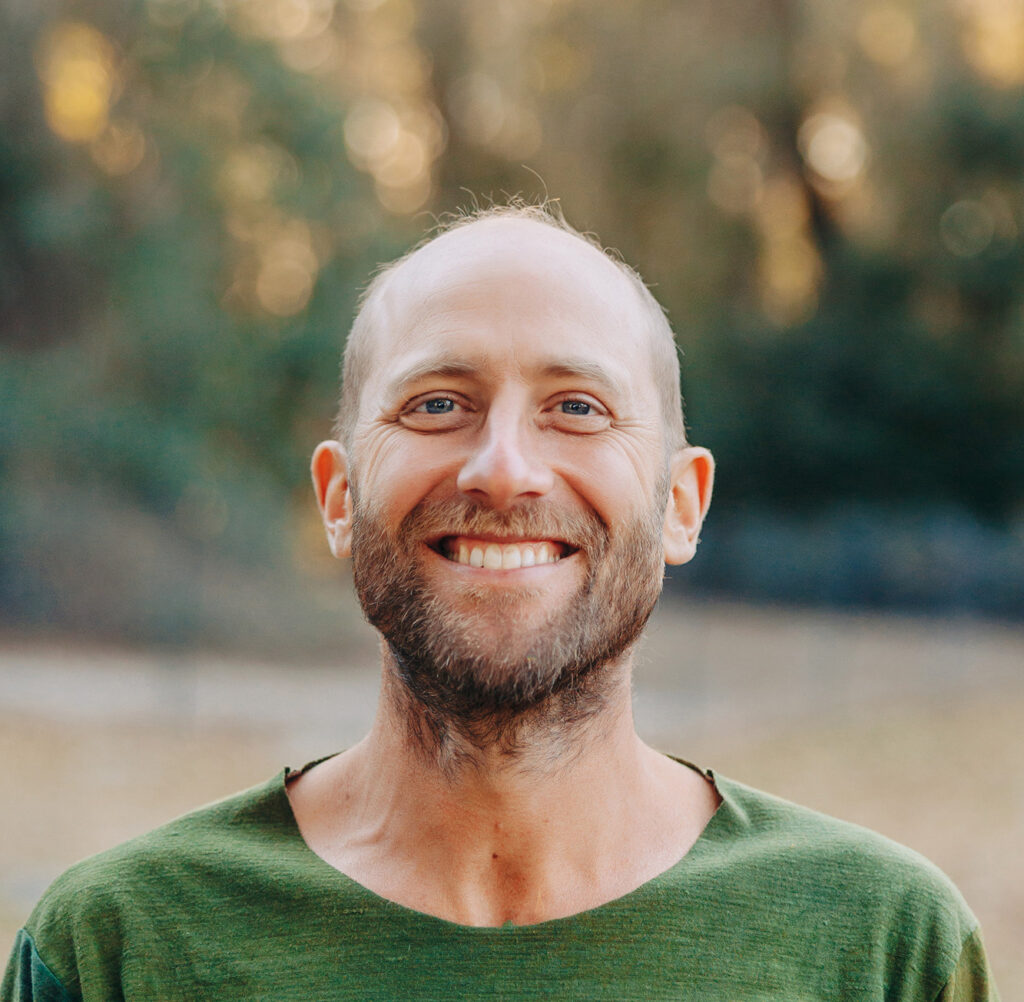 Robin Greenfield
We live in a time of food insecurity, with an array of Western health diseases, when loneliness can be overwhelming. I have seen foraging to be a remedy for these ailments of disconnection and separation. That’s why I’ve been traveling across the state of Florida for the last month leading plant walks, giving talks and doing interviews with local media in every city I visit.
I’ve traveled the whole country foraging and I’m happy to say Florida is as good a place as any to start a foraging journey. There are dozens of foods to forage in Florida that do not have toxic lookalikes and are easy for a beginner to identify.
If you’re feeling inspired to incorporate some foraging into your life, my encouragement is to start with just one plant. You only need to know one plant to eat one plant. By starting small, you can ensure that you are foraging safely and in a manner that is beneficial to the lands and waters we call home here in Florida.
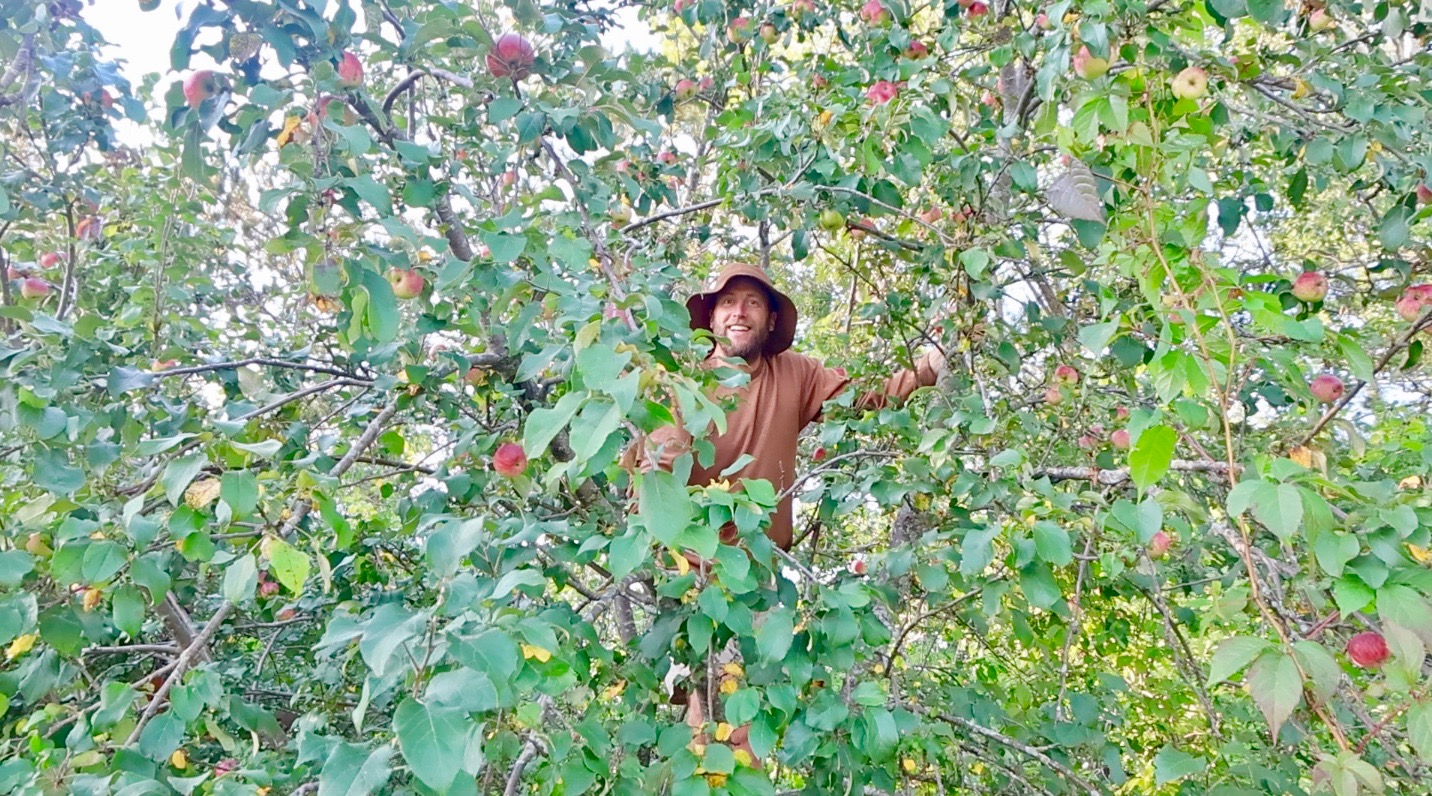
Robin Greenfield is an activist, social reformer and author of the book “Food Freedom.” Visit robingreenfield.org/foraging to find his beginner’s guide to foraging and FindaForager.com for database to find a forager near you for training. Banner photo: Greenfield harvesting apples in a tree (Photo courtesy of Robin Greenfield).
Sign up for The Invading Sea newsletter by visiting here. To support The Invading Sea, click here to make a donation. If you are interested in submitting an opinion piece to The Invading Sea, email Editor Nathan Crabbe.