
Leaders of Tampa Bay Water, which provides drinking water to residents in Pinellas, Pasco and Hillsborough counties, gave an update on drought conditions March 6.
According to the organization’s chief science officer Warren Hogg, local rivers are no longer a reliable source. Currently, the region is in a “stage three extreme water supply shortage.”
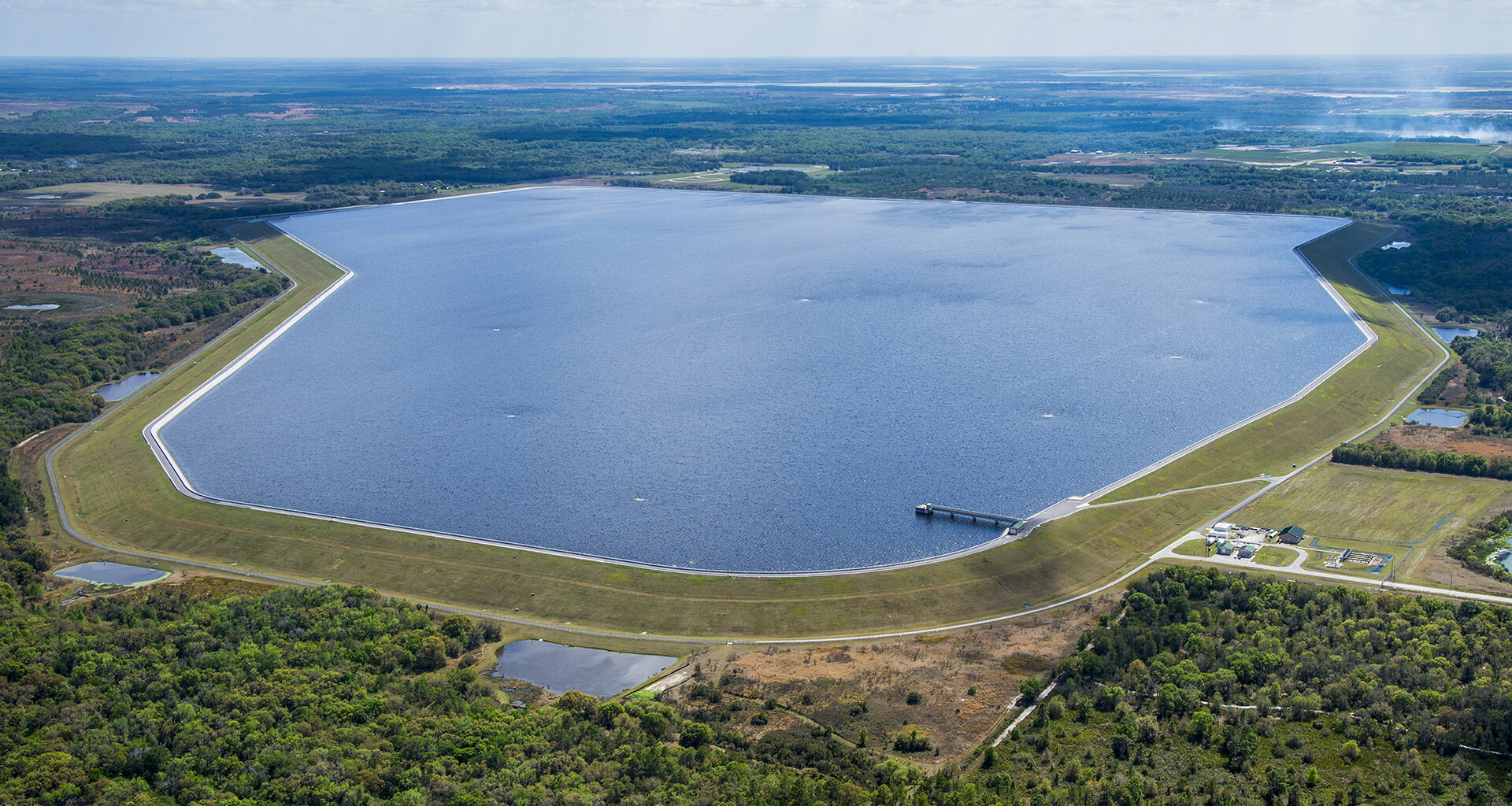
Due to the low levels, Tampa Bay Water is now relying on the 15.5-billion gallon C.W. Bill Young Regional Reservoir, the Tampa Bay Seawater Desalination Plant and groundwater well fields. The drought, he added, is one of the most severe in the last 50 years.
Hogg credited a lack of rain for the shortage. For example, the area usually gets eight inches of rain in September, but only got two in September 2025. Over the last 12 months, the region has seen an average 12 inch rainfall deficit.
“Our drinking water supplies are becoming more constrained right as we are going into really the heart of the dry season,” he explained. “March, April and May are usually the driest and hottest months and we see water use increase a lot during those months.”
While Hogg said that the organization will not run out of water for customers, the drought will continue to be an issue until summer rainfall begins. Due to the conditions, Pinellas and Hillsborough residents are currently under a one day a week watering restriction for lawn maintenance.
“We’re asking people to step up and save water and help us get through this drought together,” he added. “There’s a lot of little steps that everybody can take and those add up to a lot of water saved.”
Hogg said that it’s important for individuals to know what day they are authorized to water their properties and to obey their local government’s schedule. For Pinellas information, visit this link.
“Just by skipping one irrigation cycle, you can save up to 2,500 gallons of water depending on the size of your yard,” he explained. “A lot of the water this time of year goes onto the lawns.”
People are also encouraged to turn off the tap water when they brush their teeth. This can save eight gallons a day per person, Hogg added. Shorter showers can also help. Depending on the length, they can save up to 25 gallons a day.
Any leaks or dripping faucets, he stressed, should be fixed as soon as possible. Additionally, people should postpone re-sodding and landscaping projects to the summer.
“If the drought gets worse and the public doesn’t help us out and conserve the water that’s needed, we could go into tighter restrictions,” Hogg said. “The worst case is that no outdoor watering is allowed or you can only water with a hose and a hand watering shut-off nozzle, and it’s really hard to water a yard that way.”
He explained that the region had a similar shortage two years ago and residents did their part.