
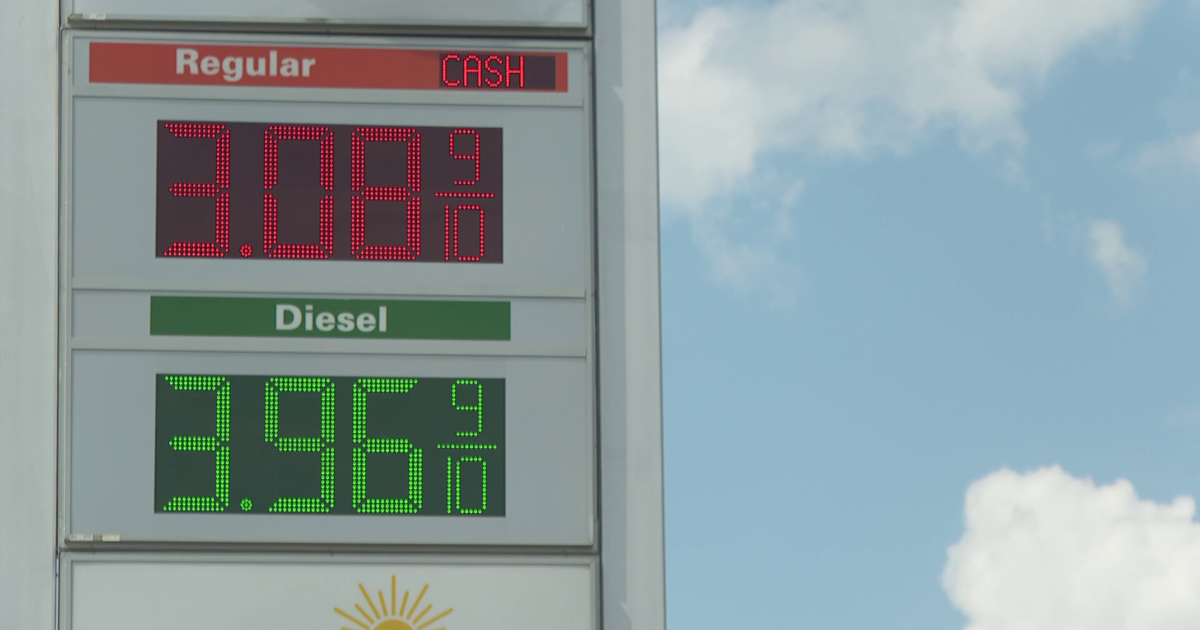
FLORIDA, (WINK)—Gas prices in Florida have surged, with the state average jumping 57 cents per gallon last week, according to AAA.
Sunday’s average of $3.45 is the highest daily average since August 2024, with Naples among the highest.
“Prices at the pump moved up quickly early last week as oil prices rallied,” said Mark Jenkins, spokesman for AAA.
Dr. Amir Neto, the Director of Florida Gulf Coast University’s (FGCU) Regional Economic Research Institute (RERI), says the spike is closely tied to global tensions affecting oil supply.
“It’s a matter of supply and demand with the war going on in Iran… which is cutting off a lot of the oil supply coming out from the Gulf, and that, associated with uncertainty and risks, is driving up prices,” Neto said.
Iran is one of the world’s largest oil producers.
According to AAA:
Most expensive metro markets – West Palm Beach-Boca Raton ($3.57), Naples ($3.53), Homosassa Springs ($3.52)
Least expensive metro markets – Crestview-Fort Walton Beach ($3.05), Panama City ($3.09), Pensacola ($3.13)
Crude oil prices soared 36% last week, reaching $90.90 per barrel, the largest weekly increase in 20 years. Gasoline futures also rose sharply, climbing 67 cents per gallon.
“Crude oil, it’s the raw material, it’s the input for gasoline. And there is a very tight connection between the crude, the raw material, and the final product in the pump,” Neto said. “There is that whole supply chain that is in shock, so the price is passed on to consumers quite fast.”
AAA says that if crude oil prices continue to rise, Florida drivers could see gas prices approach $4 per gallon again.
“Oil is the biggest input cost in gasoline, so when crude and gasoline futures climb, retail prices usually follow,” said Jenkins. He noted that U.S. supplies remain steady and there is no shortage of drivers.
Neto says rising gas prices often hit lower-income drivers the hardest.
“Any price increase hurts, right? It hurts the consumer,” Neto said. “The lower-income consumer is the one who is doing longer commutes, is the one driving to work, and they will have to bear that additional cost.”
The global fuel market is reacting to tensions around the Strait of Hormuz, a critical oil passage. Traffic through the strait has stopped due to safety concerns, limiting global supply.
Despite these global uncertainties, U.S. fuel deliveries are uninterrupted. This week’s price increases are due to rising crude and gasoline costs.
Future prices will depend on the duration of the conflict, the resumption of shipping through the Strait of Hormuz, and global supply and demand adjustments.
Neto says the length of the conflict will play a major role in determining how high prices climb.
“It really depends on how long the conflict will last and what’s going to happen with shipment movement,” Neto said. “If we continue to see these struggles in the supply chain and oil movement, that is essentially removing the supply of oil from the market.”
Southwest Florida tourism could be affected, according to Neto.
“We may have the lost opportunity to attract some tourists that would drive to the region and may choose not to and make a shorter drive closer to home because of transportation costs,” Neto said.
During the 2022 Russia–Ukraine conflict, Florida’s average reached $4.87 per gallon when U.S. crude exceeded $120 per barrel.