
Key Aspects:
Florida has passed Senate Bill 302, which will hinder plans for a new cruise port in Tampa.
The new legislation protects the waters surrounding the proposed site, which could block necessary dredging and construction.
Public opposition also continues to grow, with a petition against the port nearing 20,000 signatures.
Another hurdle is blocking the proposed new cruise port in Tampa Bay, Florida, and may put a stop to the project before it even really begins.
Private developers have been considering building a new multi-berth port on the 328 acres of land known as the Knott-Cowen tract in Manatee County, which would enable larger mega-ships to operate out of Tampa for the first time ever.
These plans would also necessitate the purchase of Rattlesnake Key, which is a 710-acre island adjacent to the proposed site.
While a new port and larger ships would bring a great source of revenue to Tampa, Cruise Hive has seen plenty of opposition against this proposal due to environmental concerns.
A bill aimed at protecting the Terra Ceia Aquatic Preserve, which surrounds the proposed site of the potential port, has officially been approved and would hinder the construction process if plans move ahead.
“It is one of the most pristine areas in our state, and we don’t need mega cruise ships in this area,” Republican Representative Will Robinson said in support of the legislation.
“Your bill will do a great-great deal to stop that from occurring in one of the most important environmental areas in our state…it’s a wonderful bill, and maybe one of the more important environmental bills that we vote on this session,” Robinson continued.
The bill passed with a unanimous vote of 109 to 0 on March 9, 2026. It will now go to the desk of Florida Governor Ron DeSantis. Assuming the governor signs off (as is expected), the bill will go into effect on July 1, 2026.
What the Legislation Does
The Terra Ceia Aquatic Preserve is a 2,000 acre park that encompasses mangrove forests, freshwater and saltwater habitats, and mangrove forests. It also has a focus on marine protection and restoring natural tidal circulation.
In order to build a new cruise port and all the supporting infrastructure, a significant amount of dredging and digging would need to take place, which could harm marine wildlife and habitats. For context, cruise ships need at least 25 to 50 feet of water beneath them in order to dock safely.
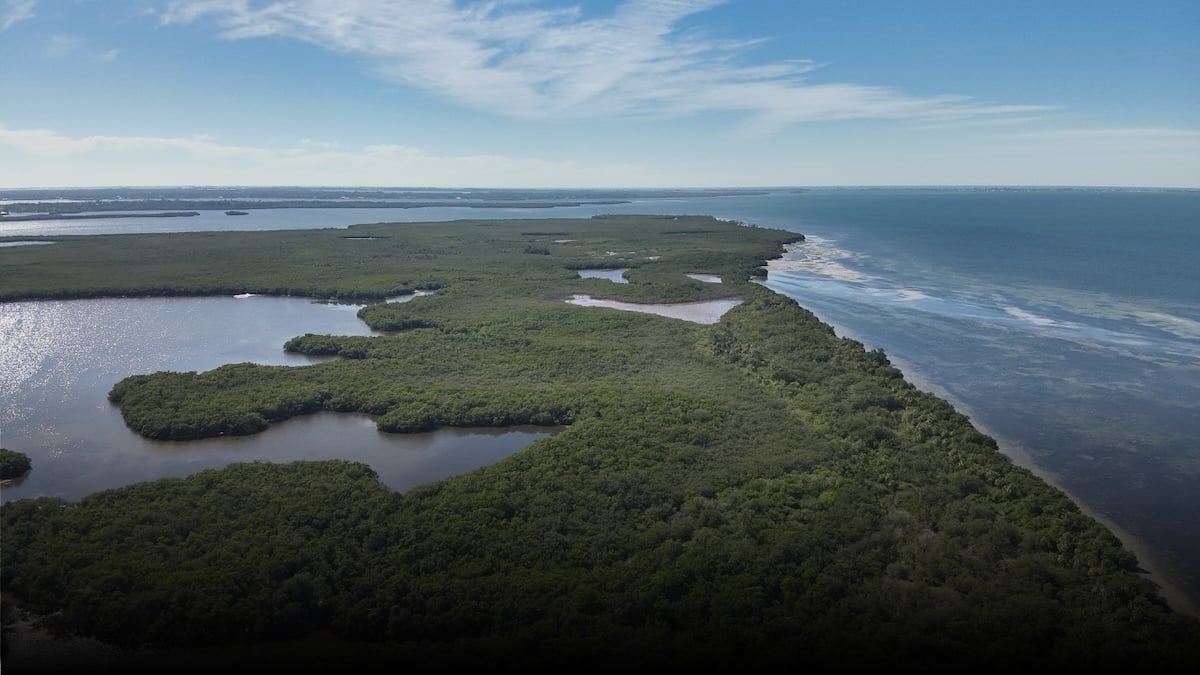 The Knott Cowen tract of land is the site of a proposed cruise port near Tampa.
Under the newly approved Senate Bill 302, dredging is only permitted under very specific conditions, such as improving human health by getting rid of stagnant waters or promoting environmental restoration projects.
Any dredging that is completed must be done in a way that does not negatively impact the water quality or harm the marine habitats within the nature preserve.
Speaking to this, the bill calls upon the Department of Environmental Protection (DEP) to establish clear and specific statewide standards for coastal protection methods by 2027.
These restrictions won’t necessarily make it impossible for the new cruise port to get approved, but it will be significantly more difficult to adhere to the requirements.
Anti-Port Petition Nears 20,000 Signatures
It’s not just lawmakers who are against the new cruise port, but also general members of the public and the cruise community.
A Change.org position that is trying to stop the proposed cruise port has grown to 19,350 signatures as of March 9, 2026. When Cruise Hive first checked the petition in January, it had just surpassed 6,000 signatures.
In addition to the land in Manatee County, locals and lawmakers want Rattlesnake Key to remain undeveloped.
“The Rattlesnake Key should not be mitigation land. It should be preserved forever,” George Smith, a Manatee County resident, told ABC 7 News.
It’s unclear how the developers of the possible cruise port will proceed, given the growing opposition and the now-approved legislation.
When the bill was first proposed, a spokesperson for the landowners indicated that they were still in a research and fact-finding stage and would consider all factors when deciding if the project would go forward.
The developers have not commented publicly regarding their plans since the bill was approved, but Cruise Hive will share updates as they become available.