
SEMINOLE — Members of Oakhurst United Methodist Church are racing to send medicine, food and other essentials to their sister congregation in Cuba before fuel shortages could halt deliveries to the island’s interior.
For the past decade, the Seminole church has partnered with the Methodist Church of Colón, a congregation about three hours east of Havana that provides food, clothing, medical supplies and spiritual support to hundreds of Cubans facing severe shortages.
The church ships supplies through Cubamax, a Florida-based shipping company, but Cuba’s deepening fuel crisis threatens to cut off deliveries from Havana to Colón, said Dawn Curtis, coordinator for CUBA (Christians United By Amor) at Oakhurst.
“We can get the items to Havana, but at that point, there’s a lack of fuel to get it out into the countryside,” Curtis said during a March 1 luncheon at the church. “We’ve been told that we have until the 24th of March to ship things to Cuba.”
Curtis said the church delivered 350 pounds of supplies to Cubamax for shipment to Colón.
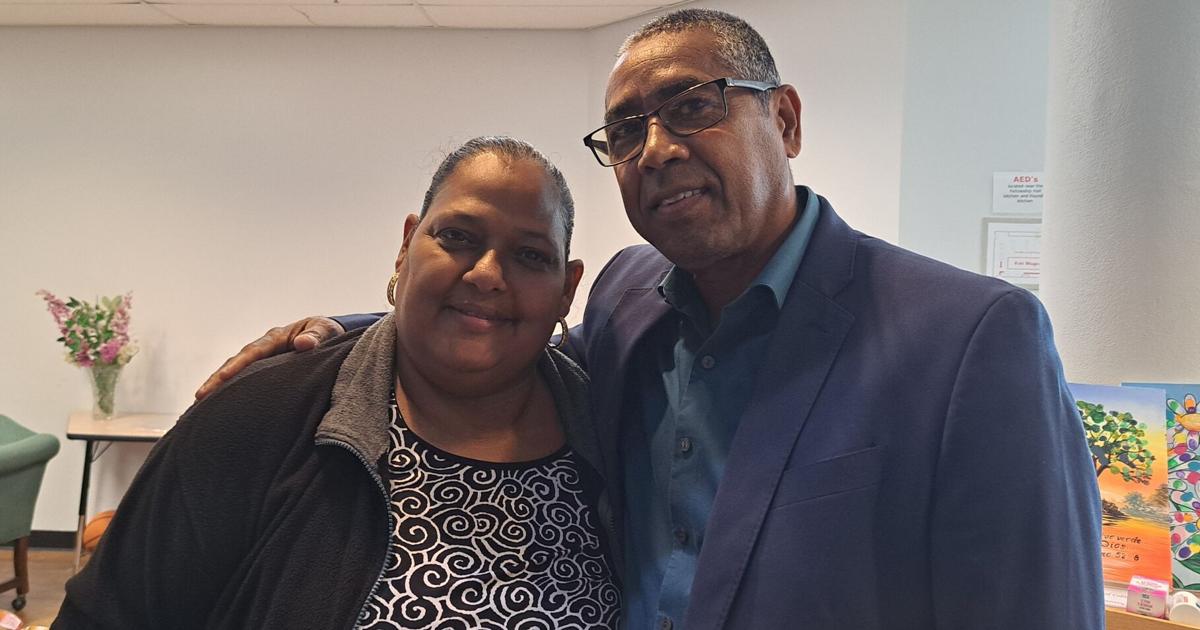
Pastor Tania Isaac and the Rev. Isayde Isaac from the Methodist Church of Colón flew from Cuba to attend the luncheon, where they described conditions on the island and updated members on their ministry.
“There isn’t any transport because of the fuel issue, and there’s not much economy,” the Rev. Isayde Isaac said. “The universities are closed. They sent the students home. Please, I would like you to pray for them, the church and the whole country.”
The shortages reach deep into Cuba’s health care system. Hospital workers sometimes turn to churches such as the one in Colón for basic medical supplies. Even dentists in the region often lack the tools to do anything beyond pulling teeth, leaving cavities untreated.
Tania Isaac, who has asthma, recalled being hospitalized for nine days with a respiratory infection. She said the hospital had almost nothing — no medicine, no cleaning supplies, no bed linens. Church members brought what they could.
“The doctors asked me if I had brought my own tubes to hook up to the IV machine, intravenous solution, and if I had brought any antibiotics or steroids,” she said. “When they did my blood tests, they didn’t have syringes to take the blood.”
Many Cubans have fled the country’s economic crisis, she said, leaving those who remain more reliant than ever on the church.
The church also faces political pressure. Tania Isaac said government authorities have placed obstacles in the way of public ministry.
“We’re in a public park, we’re trying to talk about Jesus, the police come,” she said. “The only hope for Cuba is Jesus.”
Despite the obstacles, both pastors said the church in Colón continues to grow.
“Many people are coming to the church of Colón and recognizing their need for God in their lives,” Isayde Isaac said. “Even when there’s opposition from the government, the church continues to grow.”
The Methodist Church of Colón supports about 80 elderly people and 70 children. Oakhurst has supplied food, clothing, medicine, toiletries, sanitary items and financial assistance, including money for building repairs.
When shipments arrive, the congregation holds a church fair where each person selects one item to make supplies last longer. Tania Isaac said it can be difficult because the church recognizes people have many needs.
Curtis said the aid gives people alternatives to the black market for basic necessities.
Oakhurst has sent mission groups to Cuba once a year over the past decade, giving members a firsthand look at conditions there, said the Rev. Nathan Carlson, Oakhurst’s senior pastor.
“Not everything has gone smoothly,” Carlson said. “We’ve learned a lot about the Cuban health care system, with people getting ill and injured on trips, the infrastructure in terms of the availability of fuel, and the distribution system with food.”
Colón has limited resources but serves as a hub for surrounding communities. Carlson said supplies sent there are often shared with churches and villages throughout the region.
Curtis said the partnership goes beyond aid.
“With any relationship, when someone has a little bit more, they can give gifts to someone who has a little bit less and gain a lot of support from them, as well as learn from them,” she said. “It’s really about relationship building and support.”
Jean Zhuno, the Cuban pastors’ interpreter, said the partnership has deeply affected her. She recalled breaking her hip in 2022 and spending five days in a Cuban hospital, where church members visited daily with food, sheets and prayers.
“The love of the people in that church overwhelmed me,” Zhuno said. “If you ever come to a worship service with them, they acknowledge there are communist spies on the streets listening, and they worship with their whole bodies and hearts, and they’re not ashamed of Jesus.”