
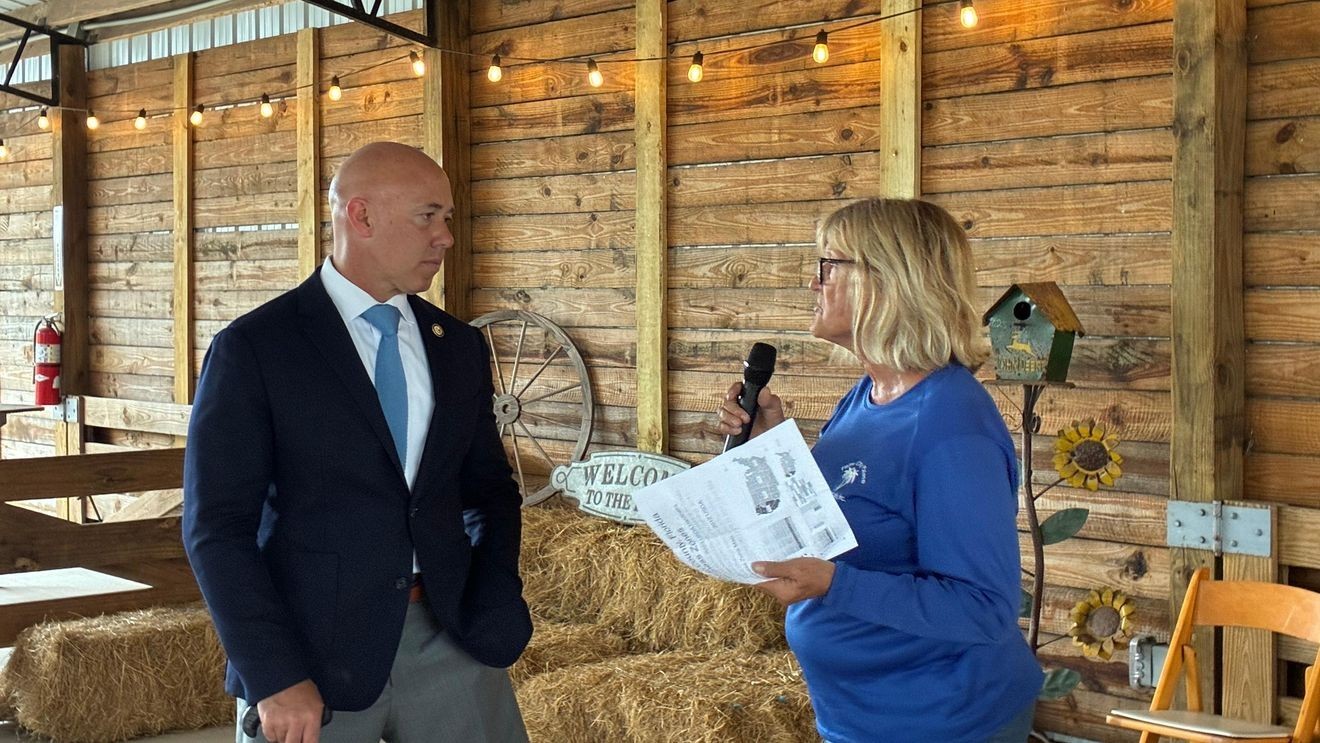
HOBE SOUND, Fla. (CBS12) — Standing before a group of local growers whose fields have been turned into “frozen graveyards,” Congressman Brian Mast addressed the immediate and grim future of Florida’s agricultural industry following a newly announced federal disaster declaration.
The U.S. Department of Agriculture (USDA) officially designated St. Lucie, Martin, and Palm Beach counties as disaster areas this week, opening the door for federal aid after Winter Storms Ezra and Gianna inflicted a staggering $3.17 billion in preliminary damages across the state.
During the meeting, Mast focused heavily on the bureaucratic hurdles that often prevent farmers from receiving timely help. He urged growers to work closely with his office and federal agencies to ensure that their applications for assistance are handled with precision to avoid being stuck in a cycle of administrative corrections. Mast emphasized that the margin for error is thin for families who have already lost their primary source of income.
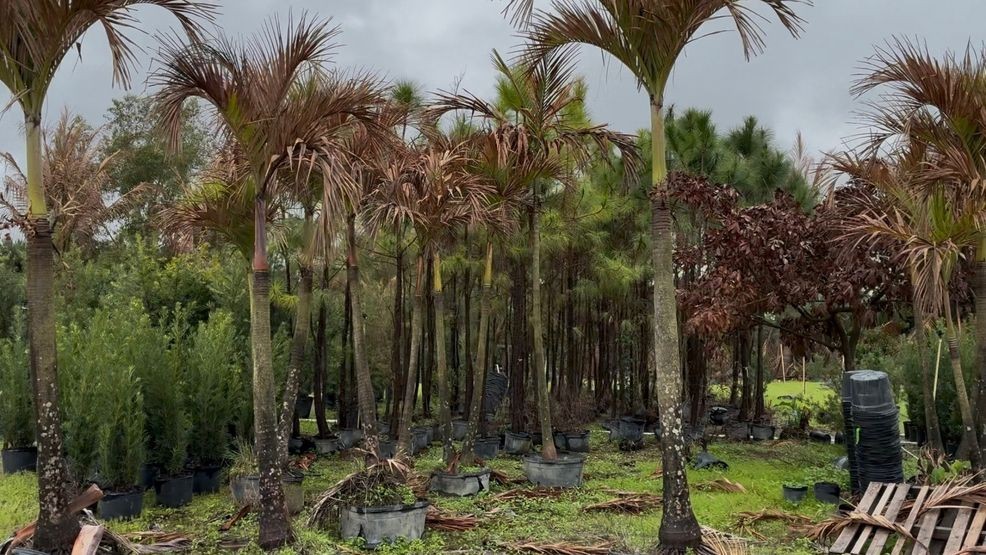
{ }Standing before a group of local growers whose fields have been turned into “frozen graveyards,” Congressman Brian Mast addressed farmers in Hobe Sound (WPEC)
He told the gathered farmers that it matters for the people in government to hear the needs of growers more than once, noting that his office is committed to helping them make sure that when they get something they have to fill out, it is filled out right the first time.
See also: ’90 Day Fiancé’ attempted drowning case at Boca Bash ends in not-guilty verdict
The scale of the disaster was the centerpiece of the discussion, as the Florida Department of Agriculture’s latest report shows the record-breaking cold and drought left virtually no sector untouched. The state’s sugarcane industry is reeling from $1.15 billion in losses, while 80% of Florida’s citrus acreage was significantly impacted, resulting in over $674 million in damage. Sweet corn producers in the region saw a total collapse, reporting a 100% production loss. Mast acknowledged that for many in the room, the damage is irreversible for the current season, explaining that even with the assistance, they simply can’t bring the crops back. He noted that growers are now in a position where they cannot resume revenue operations because everything they had to sell is dead.
While the Small Business Administration is beginning to offer disaster assistance loans alongside the USDA’s relief programs, Mast was blunt about the speed of the federal government’s response. He warned the growers that while the situation is a dire emergency for their livelihoods, the arrival of funds will not be instantaneous. He told the group that it would be lying to anyone to go out there and say that assistance largely comes within a week, or for many, even within a month.
The meeting highlighted the personal toll of the storms, including accounts of local farmers who have seen nearly $1 million in crops vanish in a single freeze event. As the growers prepare to navigate the long application process for SBA and USDA help, Mast’s office is positioning itself as a buffer between the farmers and the federal agencies, aiming to streamline a recovery process that is expected to take years for the state’s citrus and sugarcane sectors to fully realize.